
Best Patio Lighting Ideas for Outdoor Spaces
A patio should remain welcoming after the sun goes down. Carefully selected lighting can make outdoor dining more comfortable, improve […]
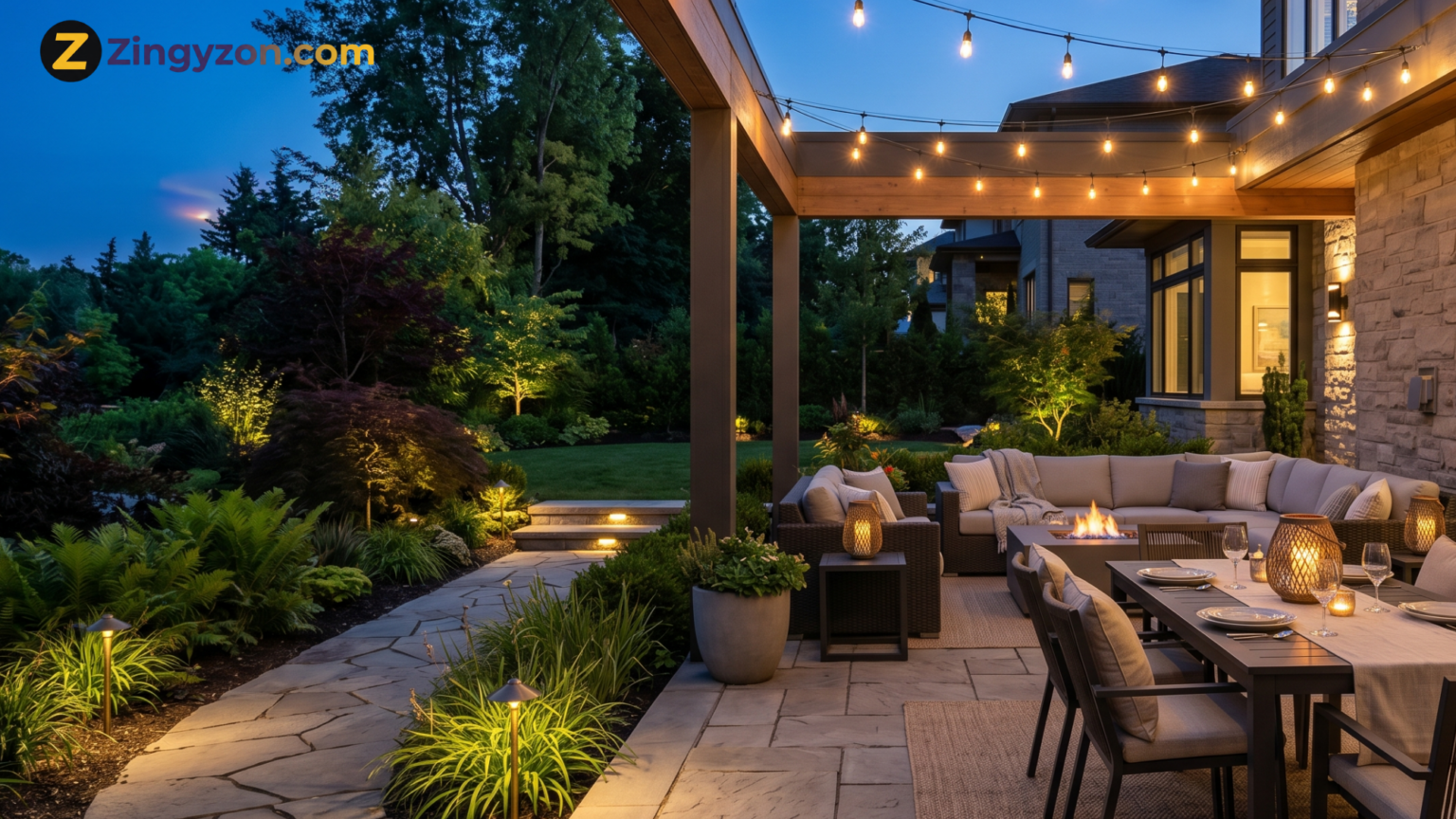
A patio should remain welcoming after the sun goes down. Carefully selected lighting can make outdoor dining more comfortable, improve visibility around steps, and create a relaxing atmosphere for conversations or quiet evenings.
The best patio lighting ideas combine decoration with function. String lights may establish a warm mood, but they should not be expected to illuminate a cooking counter or dark staircase. Similarly, a powerful floodlight may improve visibility while making a seating area feel harsh and uncomfortable.
An effective patio usually needs several gentle light sources rather than one extremely bright fixture. By combining ambient, task, accent, and pathway lighting, you can build an outdoor space that feels balanced, practical, and visually appealing.
This guide explores lighting ideas for large patios, small balconies, covered areas, outdoor kitchens, and budget-friendly backyard projects.
Start With a Patio Lighting Plan
Observe how your patio is used before purchasing fixtures. Identify the seating area, dining table, grill, doors, steps, walkways, and any landscape features you want to highlight.
Each light should have a clear purpose. Some fixtures help people move safely, while others illuminate food preparation or provide a soft decorative glow.
You should also consider existing exterior lights. A bright wall fixture near the door may already provide general illumination, allowing you to focus on gentler decorative lighting elsewhere.
Walk through the patio after dark and note the locations that feel unsafe, excessively bright, or difficult to use. Planning at night often reveals problems that are not obvious during daylight.
Layer Different Types of Patio Lighting
Layered lighting creates depth and prevents the patio from looking flat or overexposed. The main lighting layers include:
| Lighting Layer | Main Purpose | Examples |
|---|---|---|
| Ambient lighting | General illumination | String lights, pendants, wall lights |
| Task lighting | Supports specific activities | Grill lights, counter lights, table lamps |
| Accent lighting | Highlights decorative features | Spotlights, uplights, wall washers |
| Safety lighting | Improves navigation | Path, step, railing, and motion lights |
You do not need every fixture type. Select one or two options from each relevant layer according to the patio’s size and function.
A small balcony may only need a wall light, tabletop lantern, and short string-light run. A larger backyard patio may require separate lighting for cooking, dining, pathways, and landscaping.
1. Hang Warm String Lights
String lights are among the most popular outdoor patio lighting ideas because they add warmth without requiring numerous permanent fixtures.
Hang them across an open patio, beneath a pergola, along a covered porch, or around a fence. A simple overhead grid can visually define a dining or seating area.
Use outdoor-rated string lights and follow the manufacturer’s limits for connected sets. Long spans may need a separate support cable rather than allowing the electrical cord to carry the complete load.
Choose warm-white bulbs for a relaxed atmosphere. Large café-style bulbs create a classic entertaining look, while smaller lights offer a subtler decorative effect.
Avoid hanging strings too low over walkways, grills, or tables. They should remain safely above people and away from heat, moving branches, and sharp surfaces.
2. Add Outdoor Wall Sconces
Wall sconces provide dependable illumination beside doors, outdoor kitchens, and covered seating areas. They can also reinforce the architectural style of your home.
Traditional lantern-shaped fixtures suit classic properties, while slim up-and-down lights complement modern patios. Shielded downward-facing sconces can reduce glare and keep light focused on useful areas.
Place wall lights where they improve visibility without shining directly into people’s eyes. Fixtures positioned too high or fitted with excessively bright bulbs may create uncomfortable glare.
When replacing permanent exterior fixtures, confirm that the product is approved for its exact location. A covered wall may have different exposure conditions from a completely open exterior wall.
3. Install a Pendant Above the Dining Table
A pendant can make an outdoor dining area feel like a complete room. It provides a focal point during the day and focused illumination at night.
Pendant lighting works best beneath a solid covered patio, gazebo, or appropriately designed pergola. Choose a fixture rated for the conditions it will face, including wind and moisture.
Position it high enough to preserve clear views across the table. The light should illuminate food and tableware without creating harsh shadows or making guests feel as though they are sitting beneath a spotlight.
A dimmable pendant provides flexibility. Brighter light can support serving and cleanup, while a lower level creates a softer atmosphere during dinner.
4. Use Path Lights to Guide Movement
Path lights help guests move between the house, patio, driveway, and garden. They are especially useful where walkways change direction or pass through planted areas.
Place lights where they reveal the walking surface rather than creating a continuous row of bright dots. Staggering fixtures on alternate sides can produce a more natural appearance.
Choose designs with shielded or downward-facing light. Exposed bulbs may create glare that makes the path harder to see.
Solar path lights can work in locations receiving adequate direct sunlight. Hardwired or low-voltage systems may provide more consistent results in shaded areas or during seasons with shorter daylight hours.
5. Illuminate Steps and Deck Edges
Changes in elevation should remain visible after dark. Small step lights, recessed deck lights, and railing fixtures can improve visibility without dominating the design.
Install lights so they reveal the tread or edge of each step. A fixture shining directly outward may create more glare than useful illumination.
Integrated railing lights can add a refined appearance to raised decks. They also keep fixtures away from the main walking surface.
Keep the lighting gentle and consistent. Alternating bright and dark sections can make depth more difficult to judge, particularly for older guests or people with limited vision.
6. Highlight Plants With Uplighting
Uplighting can turn trees, large planters, and textured foliage into dramatic nighttime features.
Place a low spotlight near the base of a plant and angle it carefully through the leaves. The resulting shadows can add depth to a plain fence or exterior wall.
Use this technique selectively. Highlighting one tree or several important plants usually looks more sophisticated than illuminating every shrub.
Avoid directing excessive light into the sky, windows, or neighboring properties. Fixtures should be aimed narrowly and adjusted after dark when the beam is easier to evaluate.
7. Try Downlighting for a Natural Effect
Downlighting places a fixture above the area it illuminates. When aimed through tree branches, it may create soft patterns resembling moonlight.
This approach can illuminate seating, paths, or garden areas without placing fixtures at eye level. It works best when the light source is concealed and the beam remains controlled.
Installation in trees or high structures requires careful mounting and weather-resistant equipment. Tree growth and movement must also be considered.
Permanent high-level fixtures are generally better handled by a qualified professional who can plan wiring, access, and secure installation.
8. Decorate With Portable Lanterns
Lanterns are one of the easiest patio lighting ideas because they can be rearranged without permanent installation.
Place them on dining tables, side tables, wide steps, or beside lounge seating. Different heights can create visual interest, but lanterns should never narrow an important walkway.
Battery-operated LED candles provide a flame-free glow. Rechargeable lanterns can also offer brighter light for dining or reading.
Open flames require greater care and may not be suitable around children, pets, dry vegetation, fabric curtains, or windy conditions. Follow local restrictions and never leave a burning candle unattended.
9. Use Rechargeable Table Lamps
Rechargeable outdoor table lamps bring flexible task lighting to dining and lounge areas. They can be moved wherever additional light is needed and stored indoors after use.
A compact lamp is useful on a dining table because it illuminates food without filling the entire patio with brightness. Taller versions can support reading or serving.
Look for outdoor suitability, stable construction, several brightness settings, and a charging method that fits your routine. A heavy base may perform better in breezy conditions.
Choose a warm light setting for relaxed evenings. Very cool or excessively bright portable lamps can make a table feel less comfortable.
10. Add Solar Lights Where Wiring Is Difficult
Solar patio lights can illuminate planters, paths, fences, umbrellas, and decorative features without requiring a nearby outlet.
Their performance depends on panel placement, weather, season, battery condition, and the amount of direct sunlight received during the day.
Position solar panels away from dense shade. Clean the panel periodically because dust, pollen, and leaves may reduce charging performance.
Use solar products mainly for decoration or supplementary guidance unless their output and reliability are suitable for the task. Important steps and entrances may require a more dependable power source.
11. Install Lighting Beneath Benches and Railings
Concealed lighting can give a modern patio a clean, polished appearance.
LED strips or compact fixtures placed beneath benches, counters, railings, or steps create a floating effect while providing gentle indirect illumination.
The light source should remain hidden from normal viewing angles. Visible bright dots can distract from the intended design.
Choose products designed for exterior installation and consider how heat, drainage, adhesives, connectors, and power supplies will be managed. Not every indoor LED strip is suitable for year-round outdoor exposure.
12. Light an Outdoor Kitchen Properly
An outdoor kitchen requires more than decorative lighting. The grill, sink, preparation counter, and pathways need focused illumination for safe and comfortable use.
Place task lighting above or in front of the work surface so the cook’s body does not create a shadow across food and utensils. Pendant lights, shielded wall fixtures, or carefully positioned overhead lights may work beneath a covered structure.
Avoid placing fixtures where smoke, heat, or grease can damage them. Lighting must also respect required clearances around grills and other cooking equipment.
For a complete layout and appliance plan, read ZingyZon’s guide to outdoor kitchen design ideas.
13. Use Motion-Sensor Lighting Selectively
Motion-sensor lights can improve visibility near entrances, side paths, gates, and utility areas. They also prevent lights from operating continuously when nobody is present.
Adjust the detection zone so passing animals, street movement, or neighboring activity does not trigger the light unnecessarily.
Choose a moderate brightness and direct the beam toward the ground or entrance. An excessively bright security light can produce glare and disturb nearby seating areas.
Motion lighting usually works best as a separate safety layer rather than the main source of patio ambiance.
14. Add Smart Patio Lighting
Smart outdoor lights can provide schedules, dimming, color adjustment, and remote control. They are useful when you want the patio to change between dining, entertaining, and quiet relaxation.
Create simple scenes rather than using many unrelated colors. A warm-white setting can support everyday use, while occasional color effects may suit celebrations.
Confirm that the lights, controller, power supply, and connectors are intended for outdoor conditions. Check platform compatibility and determine which functions remain available without an internet connection.
Smart controls should make the lighting easier to use. A standard timer or dimmer may be a better option when advanced automation is unnecessary.
15. Create a Fire-Free Glow Around Seating
You can create the visual warmth of fire without installing a fire pit or using open flames.
Amber-toned lanterns, flickering LED candles, and low-level lights placed around a conversation area can establish a similar cozy feeling.
Position the lights below eye level and spread them around the seating arrangement. This produces a gentler effect than placing one bright fixture in the center.
Combine the glow with cushions, an outdoor rug, and comfortable furniture. ZingyZon’s article on patio decorating ideas for summer offers more ways to coordinate lighting with plants, colors, and outdoor textiles.
16. Use Lighting to Make a Small Patio Feel Larger
Small patios benefit from restraint. Too many visible fixtures can make a compact space feel crowded.
Use vertical surfaces by attaching suitable lights to walls, fences, or railings. A short run of string lights can draw the eye upward, while concealed lighting beneath a bench preserves floor space.
Highlight one focal feature, such as a plant, textured wall, or small dining table. Keeping the surrounding areas slightly darker creates visual depth.
Choose compact fixtures with simple finishes. Repeating the same material or light color helps the area feel organized rather than fragmented.
17. Coordinate Fixtures With the Patio Style
Lighting should complement the furniture, architecture, and surrounding garden.
Black metal fixtures suit modern and industrial patios. Bronze or aged finishes can support traditional designs, while woven shades and warm lanterns create a relaxed coastal or bohemian look.
Avoid combining too many unrelated finishes. Repeating one metal color across sconces, pendants, and lanterns creates a more deliberate design.
Decorative fixtures remain visible during daylight, so consider their shape and scale even when they are switched off.
18. Try Budget-Friendly Patio Lighting Ideas
A successful patio does not need an expensive permanent lighting system.
Begin with outdoor-rated string lights, rechargeable table lamps, solar path lights, or battery-operated lanterns. These products can improve the atmosphere without major construction.
Use timers to prevent decorative lights from remaining on unnecessarily. Reposition existing fixtures before buying additional ones because an improved angle may solve the problem.
Develop the design gradually. Start with seating and walkways, then add accent lighting after observing how the patio feels at night.
For more affordable outdoor upgrades, explore backyard patio ideas on a budget.
Choose the Right Color Temperature
Color temperature affects how warm or cool the patio appears. It is measured in kelvins.
Warm-white light around 2700K to 3000K usually creates an inviting atmosphere for patios, gardens, and dining areas. Cooler light may appear sharper or more commercial when used extensively.
Try to maintain a consistent color temperature across nearby fixtures. A warm pendant beside a cool-blue wall light can make the design look disconnected.
Security or detailed task areas may need clearer visibility, but brightness and fixture placement should be adjusted before automatically choosing a very cool light.
Avoid Excessive Brightness and Glare
More light does not always produce better visibility. An exposed bright bulb can make surrounding dark areas harder to see.
Use shielding, careful aiming, and several lower-level sources instead of relying on one powerful fixture. Place lights outside the normal line of sight whenever possible.
Dimmers provide valuable control. You may need brighter light while preparing food and a softer setting when guests are relaxing.
Check the finished design from the seating area, doorway, neighboring boundary, and street. Reposition any fixture that causes discomfort or unnecessary light spill.
Select Weather-Appropriate Fixtures
Every outdoor light should be suitable for its installation environment.
A fixture beneath a fully covered roof may face humidity and occasional moisture, while one on an open wall or in the garden may receive direct rain. Check whether the product is listed for damp or wet locations as required.
Ingress Protection ratings may also describe resistance to dust and water, but the appropriate rating depends on placement and local requirements.
Inspect materials and finishes as well. Coastal salt, strong sunlight, freezing temperatures, and constant moisture can affect metals, plastics, seals, and coatings differently.
Plan Power and Electrical Safety
Use lighting products, cords, and connectors specifically rated for outdoor use. Inspect them for cracked insulation, loose plugs, broken sockets, or damaged seals before installation.
Outdoor electrical lighting should use suitable GFCI-protected outlets. Keep connections away from standing water and do not overload outlets or extension cords.
Extension cords should not become a substitute for permanent wiring. Do not run them beneath rugs, through doors, or across busy pathways where they may be damaged or create a trip hazard.
Hire a qualified electrician for new permanent wiring, hardwired fixtures, outlets, transformers, or installations where local electrical requirements are unclear.
Reduce Energy Use and Light Pollution
LED lighting offers durable and efficient options for strings, pathways, steps, pendants, and wall fixtures.
Timers, dimmers, motion sensors, and dusk-to-dawn controls can reduce operating hours and unnecessary brightness. Decorative lights do not need to remain on throughout the night.
Direct light downward and keep it within your property. Shielding helps reduce glare, skyglow, and unwanted light entering nearby windows.
Use only the amount of light needed for the activity. A thoughtfully placed low-level fixture can often perform better than a high-output lamp shining in every direction.
Maintain Patio Lighting Throughout the Year
Clean lenses and solar panels periodically to remove dust, pollen, insects, and leaves. Dirty fixtures can appear dimmer and produce uneven light.
Inspect wires, mounts, hooks, seals, and connections after storms or seasonal temperature changes. Replace damaged products rather than applying temporary repairs that may not remain weather-resistant.
Trim plants that block pathways or grow against hot fixtures. Re-aim landscape lights as plants mature.
Store portable lamps and lanterns when they are not designed for permanent exposure. Follow the manufacturer’s instructions for battery charging, winter storage, and replacement components.
Common Patio Lighting Mistakes
Avoid relying on one powerful fixture for the entire patio. It often creates harsh brightness near the source and dark shadows elsewhere.
Other common mistakes include:
- Mixing several conflicting color temperatures
- Using indoor-rated lights outside
- Hanging string lights without proper support
- Placing fixtures directly in people’s eyes
- Ignoring steps and walking paths
- Overlighting plants and neighboring areas
- Leaving cords across walkways
- Installing lights too close to grills
- Buying solar lights for heavily shaded locations
- Forgetting timers, dimmers, or accessible switches
Review the patio from several viewing positions after dark. Small adjustments in angle, height, and brightness can improve the design considerably.
Patio Lighting Planning Checklist
Before completing your project, confirm that:
- Seating, dining, cooking, and walking areas have suitable lighting.
- Fixtures are rated for their exact outdoor location.
- Steps and changes in elevation remain visible.
- Bright bulbs are shielded from direct view.
- The color temperature is consistent.
- String lights have appropriate structural support.
- Cords and connectors are approved for outdoor use.
- Permanent electrical work meets applicable requirements.
- Lights do not shine unnecessarily into neighboring properties.
- Timers, dimmers, or sensors reduce wasted operation.
- Fixtures remain accessible for cleaning and maintenance.
Frequently Asked Questions
What is the best lighting for an outdoor patio?
A layered combination usually works best. Use string lights, pendants, or sconces for ambiance; focused lights for dining and cooking; and low-level fixtures for pathways and steps.
What color light is best for a patio?
Warm-white lighting around 2700K to 3000K generally creates a relaxed and inviting patio atmosphere. Maintaining a consistent color temperature is more important than using several different tones.
Are solar lights suitable for patios?
Solar lights can work well for decoration, planters, and pathways that receive sufficient direct sunlight. Their performance may vary with shade, weather, season, and battery condition.
How do I light a patio without electricity?
Use solar fixtures, rechargeable table lamps, battery-operated lanterns, and LED candles. Select products intended for outdoor conditions and store them as directed.
How high should patio string lights be?
They should remain high enough to avoid contact with people and activities below. The exact height depends on the location, support structure, manufacturer’s instructions, and local requirements.
How can I make patio lighting look expensive?
Use layered lighting, consistent warm color, hidden light sources, restrained accent lighting, and coordinated fixture finishes. Good placement often makes a greater difference than price.
Can outdoor lights be left on all night?
They can be designed for extended operation, but leaving unnecessary lights on wastes energy and may disturb neighbors or wildlife. Timers and motion sensors provide better control.
Do patio lights need GFCI protection?
Outdoor electric lights should be connected to appropriately protected outdoor circuits. ESFI specifically recommends GFCI protection for outdoor electric lighting and decorations.
Final Thoughts
The best patio lighting ideas balance atmosphere, safety, function, and responsible energy use.
Begin by identifying how the space is used after dark. Illuminate steps and pathways first, then provide suitable task light for dining or cooking. Complete the design with string lights, lanterns, uplighting, or concealed fixtures.
Warm, shielded, and carefully aimed lights generally create a more comfortable patio than a small number of extremely bright fixtures. Timers, dimmers, and motion sensors allow the design to adapt while limiting unnecessary operation.
Whether you are lighting a small balcony or a complete outdoor entertaining area, thoughtful placement will make a greater difference than the number of fixtures. A layered plan can help your patio remain welcoming, practical, and enjoyable throughout the evening.

Keep Exploring Zingyzon.com
Read more Zingyzon SEO, digital marketing, online earning, business, and technology guides for Australia, USA, and global readers.