
How Car Design Mirrors Modern Urban Living
Why Cities Now Influence Car Design Car design has always reflected the world around it. In the past, wide highways, […]
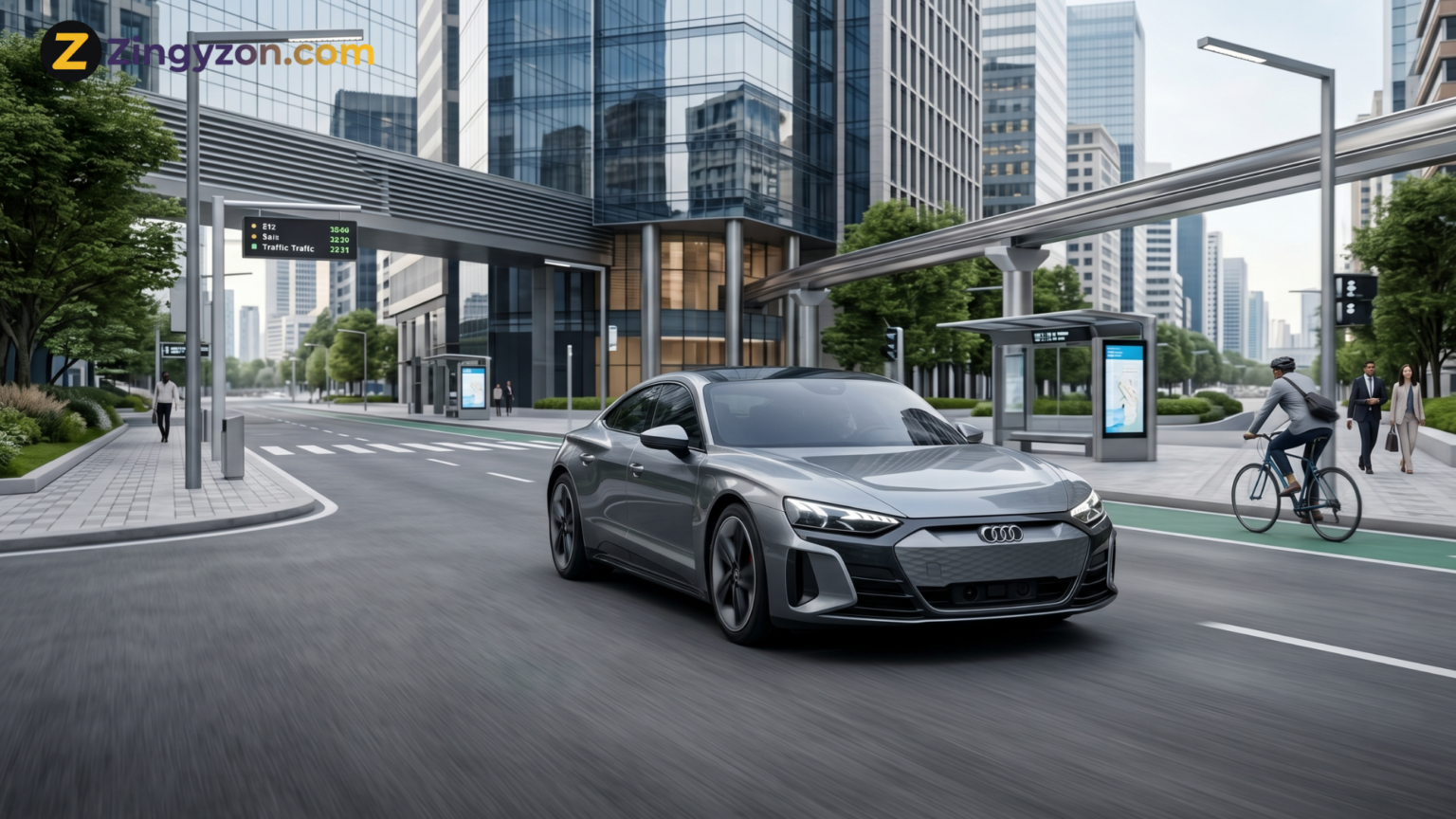
Why Cities Now Influence Car Design
Car design has always reflected the world around it. In the past, wide highways, open suburbs, and weekend road trips influenced long bodies, large engines, and bold styling. Today, the modern city is changing that story. More people live around dense streets, compact apartments, shared parking, public transport links, and walkable neighborhoods. Because of this shift, the car is no longer just a machine for distance; it has become a smart, flexible space shaped by the pressures and pleasures of urban life.
This is why modern car design mirrors modern urban living so clearly. Every curve, screen, storage pocket, lighting detail, and safety feature says something about how people move, work, relax, and express themselves in cities. A car must now be easy to park, comfortable in traffic, efficient with energy, connected to daily apps, and stylish enough to feel personal. In many ways, the vehicle has become a small moving apartment for the city lifestyle.
Compact Shapes for Crowded Streets
Urban living rewards intelligent use of space. City drivers deal with narrow roads, tight corners, limited garages, busy school zones, apartment parking, and short-distance errands. As a result, designers are creating cars with cleaner proportions, shorter overhangs, lighter frames, and better turning ability. The goal is not simply to make vehicles smaller; it is to make every inch more useful.
This mirrors how people think about city homes. A compact apartment can feel comfortable when the layout is smart, and a compact car can feel premium when the cabin is planned well. Foldable seats, hidden compartments, wide-opening doors, and improved visibility all show how car makers are borrowing the logic of efficient urban spaces.
The Cabin Has Become a Personal City Space
Modern drivers spend a lot of time inside their cars while waiting in traffic, taking calls, picking up groceries, charging devices, or moving between work and home. That has changed the meaning of the cabin. It is no longer only a place to sit behind the wheel. It is a quiet zone, a planning area, a music room, a charging station, and sometimes even a short break from a busy day.
That is why car interiors now focus on calm lighting, supportive seats, minimal dashboards, soft-touch materials, large cup holders, wireless charging, and simple controls. The same thinking appears in smart lifestyle upgrades where comfort, organization, and everyday function matter more than unnecessary complexity. A good modern car cabin feels organized because city life itself can feel crowded and fast.
Technology Reflects the Urban Routine
Digital life follows people everywhere, and car design has adapted to that reality. Navigation, parking sensors, phone integration, voice commands, traffic alerts, driver assistance systems, and connected dashboards are not luxury extras anymore; they are tools for urban survival. A driver may need to find a charger, avoid congestion, locate a parking bay, answer a hands-free call, or change routes in seconds.
The best technology in a city car does not distract the driver. It reduces friction. Clean screens, clear icons, quick pairing, and safe alerts make the vehicle feel like part of the city routine instead of a separate object. This is one reason modern cars are designed less like mechanical products and more like connected living tools.
Sustainability Is Now Part of the Shape
Urban communities are paying more attention to cleaner air, lower noise, energy use, and better public spaces. Car design is responding with electric platforms, hybrid systems, aerodynamic profiles, lighter materials, recycled interior fabrics, and quieter cabins. Even the exterior shape of many cars is becoming smoother because efficiency has become a design priority.
This does not mean every city driver needs the same vehicle. Some people need compact electric cars for short commutes, while others need practical crossovers for family tasks. What matters is that design is moving toward smarter resource use. Just as people explore home improvement ideas to make living spaces more practical, car owners are also choosing vehicles that fit daily needs without wasting space, fuel, or money.
Safety Design for Dense Urban Movement
Cities bring more interaction between cars, cyclists, pedestrians, scooters, buses, delivery vans, and parked vehicles. Because of that, safety design has become more visible and more advanced. Higher seating positions, better mirror placement, blind-spot warnings, reverse cameras, automatic braking, lane alerts, and brighter lighting all help drivers handle crowded environments.
Designers also think about emotional safety. A calm cabin, clear visibility, and simple controls can reduce stress in heavy traffic. When a car feels predictable and easy to manage, the driver feels more confident. That confidence is important in modern urban living, where movement often requires quick decisions.
Style and Identity in the City
Urban living is full of personal expression. People customize apartments, workspaces, clothing, phones, and even small daily accessories. Car design reflects this need through color choices, lighting signatures, wheel designs, trim packages, and small exterior details. A vehicle is still a form of identity, especially in a city where many cars share the same roads and parking areas.
For drivers who care about vehicle identity, even small details such as Number 1 Plates show how personalization has become part of modern car culture. A number plate, grille shape, paint finish, or lighting style can make a car feel more individual without changing its practical purpose.
What the Future of Urban Car Design Looks Like
The future of car design will likely become even more city-focused. We can expect more compact electric vehicles, flexible interiors, recyclable materials, smarter driver assistance, improved visibility, quieter movement, and designs that work better with shared streets. Cars may become easier to charge, easier to park, and easier to connect with homes, phones, and public infrastructure.
The deeper lesson is simple: design follows lifestyle. When people want speed, cars become faster. When people want comfort, cars become softer. When people live in complex cities, cars become smarter, safer, cleaner, and more space-efficient. That is why car design is one of the clearest mirrors of modern urban living.
For more practical lifestyle and design-focused guides, readers can explore the Zingyzon blog and continue discovering ideas that connect everyday spaces, smarter choices, and modern living.
FAQs
Why does urban living affect car design?
Urban living affects car design because city drivers need vehicles that are easier to park, safer in traffic, more efficient, and better connected to daily digital routines.
Are smaller cars always better for city life?
Not always. A good city car is not only small; it must use space intelligently, offer good visibility, provide comfort, and match the driver’s lifestyle.
How does technology improve modern car design?
Technology improves modern car design by helping with navigation, parking, safety alerts, phone connectivity, and easier control of daily driving tasks.

Keep Exploring Zingyzon.com
Read more Zingyzon SEO, digital marketing, online earning, business, and technology guides for Australia, USA, and global readers.