
Best Furniture for Small Living Rooms
Choosing the best furniture for small living rooms is not only about buying smaller pieces. A compact living room needs […]
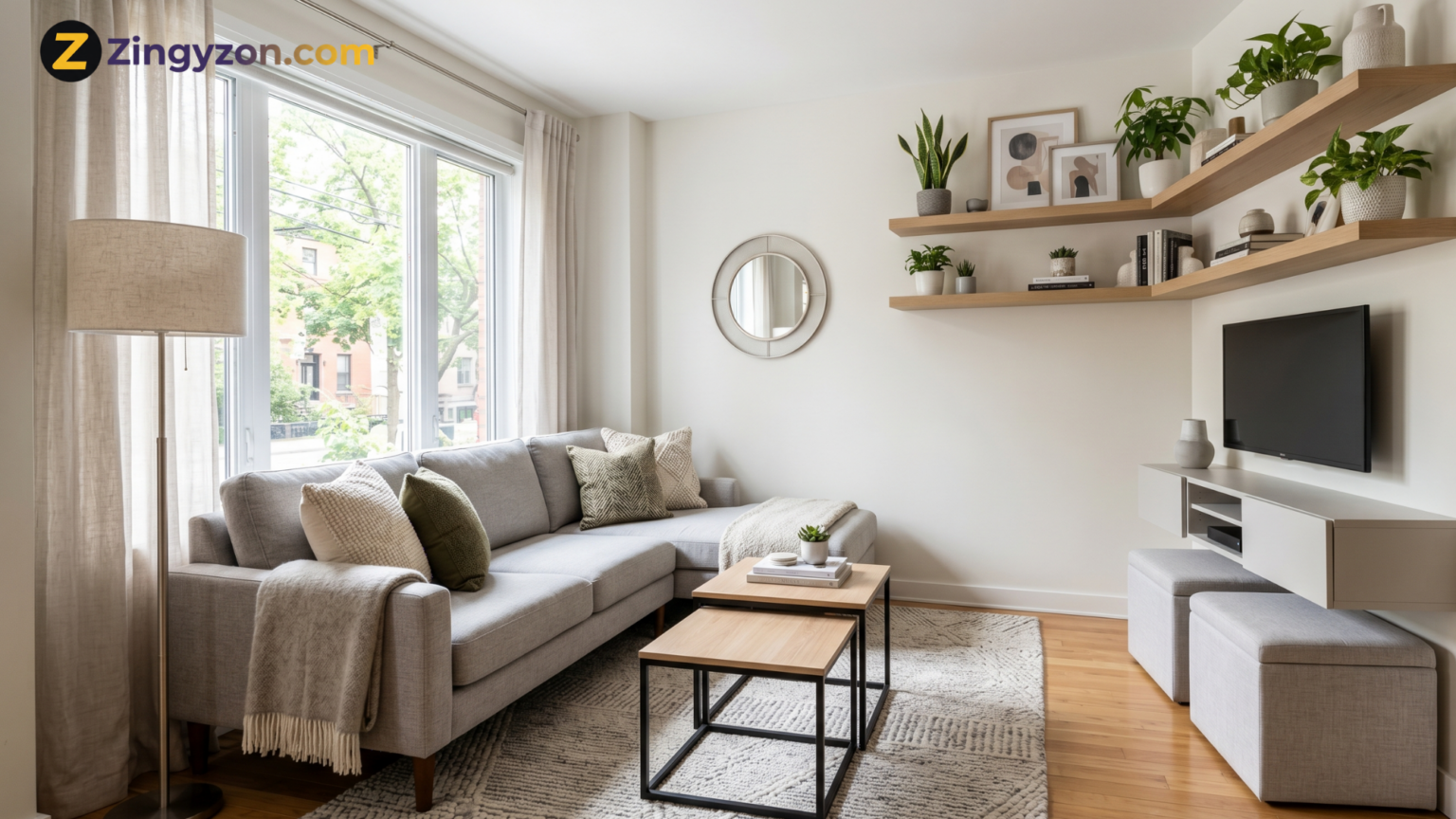
Choosing the best furniture for small living rooms is not only about buying smaller pieces. A compact living room needs furniture that improves comfort, supports storage, keeps walkways open, and makes the room feel visually lighter. The right sofa, table, chair, cabinet, and shelving plan can make a small apartment, studio, townhouse, or narrow lounge feel more open without losing style.
Small rooms usually feel crowded when furniture is too bulky, too dark, or placed without a clear purpose. Instead of filling every wall, focus on pieces that serve more than one function. A storage ottoman, nesting table, slim console, floating shelf, or compact sectional can help the room work better without overwhelming the layout.
For more related ideas, readers can also explore the Furniture & Living Room category on Zingyzon for practical home furniture and living room inspiration.
Why Furniture Choice Matters in a Small Living Room
A small living room has limited floor space, but it still needs to support daily life. It may work as a TV room, family sitting area, reading corner, guest space, home office, or entertainment area. Because every inch matters, each furniture item should earn its place in the room.
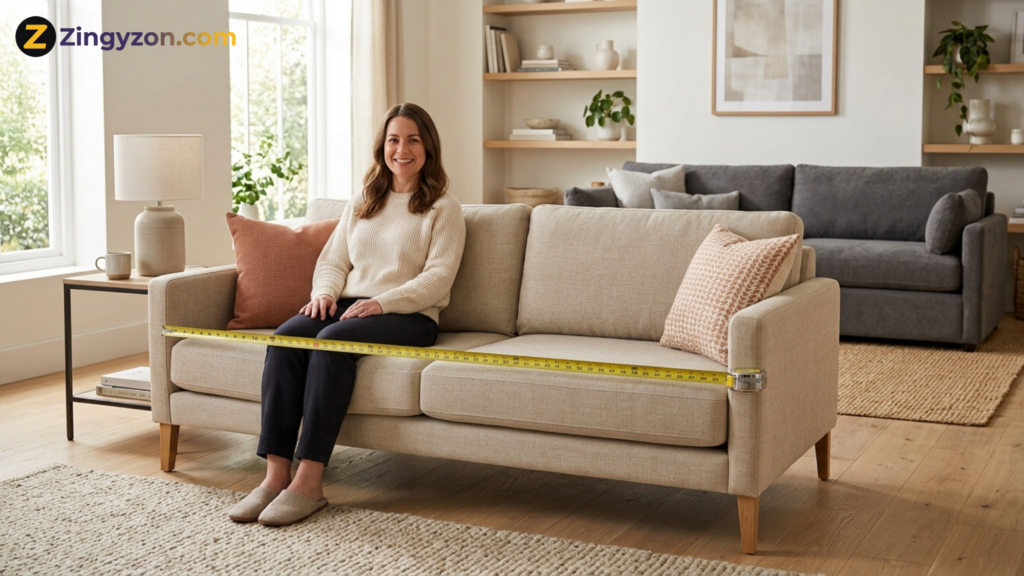
Good furniture can create better movement, reduce clutter, and make the room feel calmer. Poor furniture choices can block natural light, make pathways narrow, and create a heavy look. Before buying anything, measure the room, mark walking paths, and decide which activities matter most.
1. Choose a Compact Sofa With Clean Lines
The sofa is usually the largest piece in a living room, so it should be chosen carefully. In a small room, a compact sofa with slim arms, raised legs, and a simple shape is often better than an oversized couch. Raised legs create visible floor space underneath, which makes the room feel more open.
Look for two-seat sofas, apartment-size sofas, small loveseats, or narrow sectionals. Avoid very deep seats if the room is already tight. A sofa with straight arms usually takes less space than a rounded, bulky design.
2. Use a Storage Ottoman Instead of a Large Coffee Table
A storage ottoman is one of the most useful furniture pieces for a small living room. It can work as a footrest, extra seat, coffee table, and hidden storage box. You can store blankets, remotes, magazines, toys, gaming controllers, or seasonal decor inside.
Choose an ottoman with a flat top or use a tray on top for drinks and snacks. This keeps the room practical while reducing visible clutter.
3. Pick Nesting Tables for Flexible Surface Space
Nesting tables are perfect for compact rooms because they can be spread out when needed and stacked together when not in use. They work well beside a sofa, near an accent chair, or as a lightweight coffee table alternative.
Round nesting tables are especially useful because they soften sharp corners and make movement easier in tight spaces.
4. Select Slim Accent Chairs
Accent chairs add seating, but they can easily crowd a small living room. Choose chairs with narrow arms, open legs, and lighter frames. Armless chairs, slipper chairs, or small barrel chairs can offer comfort without taking over the room.
If the room is very small, consider one accent chair instead of two. You can also add a floor cushion or pouf for occasional seating.
5. Use Wall-Mounted Shelves to Save Floor Space
Wall-mounted shelves help keep the floor clear while adding storage and style. They are useful for books, small plants, framed photos, candles, and decorative baskets. Floating shelves also draw the eye upward, which can make a small room feel taller.
If your small living room also struggles with clutter, read Home Organization Ideas for Small Spaces for more storage-focused ideas that match compact homes.
6. Add a Narrow TV Stand or Floating Media Console
A bulky entertainment unit can make a small living room feel heavy. A narrow TV stand, wall-mounted media console, or floating shelf can keep the area clean and practical. Choose closed storage if you want to hide wires, remotes, and devices.
For very small rooms, mounting the TV on the wall can free up surface space and create a cleaner layout.
7. Choose Furniture With Exposed Legs
Furniture with exposed legs makes a room feel lighter because more floor is visible. Sofas, chairs, cabinets, and tables with slim legs can create an airy look. This small visual trick helps the room feel less crowded even when the furniture is functional.
8. Use a Round Coffee Table for Better Flow
Round coffee tables are helpful in tight living rooms because they are easier to move around. They reduce the risk of bumping into sharp corners and can make the layout feel softer. A round table with storage or a lower shelf is even more useful.
9. Try a Sofa Bed for Guest Flexibility
If your small living room sometimes works as a guest room, a sofa bed can be a smart investment. Modern sofa beds are available in compact sizes and can replace the need for a separate guest bed. Choose one with a simple pull-out system and a neutral fabric that works with your decor.
10. Add a Slim Console Table Behind the Sofa
A narrow console table behind the sofa can provide space for lamps, books, baskets, and decor without taking much room. This works especially well when the sofa is not placed directly against a wall. Choose a slim design and avoid overdecorating the surface.
11. Use Multi-Purpose Side Tables
Side tables can do more than hold a lamp. Look for side tables with drawers, lower shelves, magazine racks, or charging ports. A C-shaped side table can slide over the sofa and work as a laptop table, snack table, or temporary work surface.
12. Choose Light Colors and Simple Materials
Light-colored furniture can make a small living room feel brighter and more open. Beige, cream, light gray, soft wood, white, and warm neutral tones are safe choices. You can add depth with textured cushions, rugs, plants, and wall art.
Dark furniture can still work, but it should be balanced with light walls, good lighting, and open space around the piece.
13. Avoid Oversized Furniture Sets
Matching furniture sets can look convenient, but they often make small rooms feel boxed in. Instead of buying a full set, mix a compact sofa, one slim chair, a small table, and vertical storage. This creates a more flexible and natural layout.
14. Use Rugs to Define the Seating Area
A rug is not furniture, but it helps the furniture layout feel organized. In a small living room, choose a rug that is large enough for the front legs of the sofa and chairs to sit on it. This connects the seating area and makes the room feel intentional.
15. Add Furniture That Supports Daily Routine
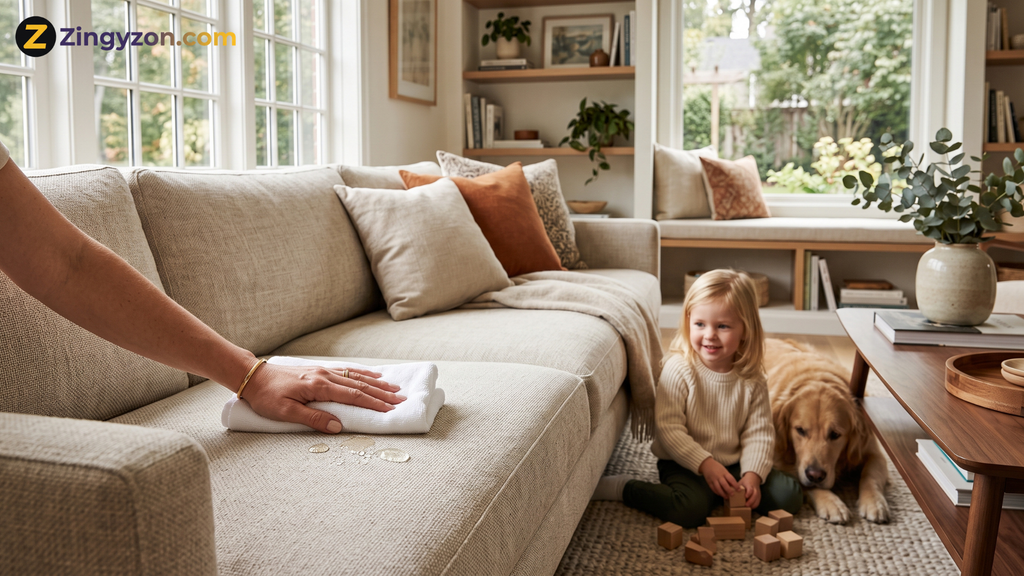
The best furniture for small living rooms should match how you actually live. If you watch TV often, prioritize comfortable seating and a clean media area. If you work from the sofa, add a C-table or compact desk. If you have kids, choose storage furniture and washable fabrics. If you entertain guests, choose flexible seating like poufs and nesting tables.
For simple comfort and routine upgrades around the home, Zingyzon also has a helpful guide on Smart Lifestyle Upgrades that connects well with small-space planning.
Best Furniture Checklist for Small Living Rooms
| Furniture Piece | Best Small-Room Feature | Why It Helps |
| Apartment-size sofa | Slim arms and raised legs | Keeps the room open and comfortable |
| Storage ottoman | Hidden compartment | Reduces clutter and adds seating |
| Nesting tables | Stackable design | Adds flexible surface space |
| Floating shelves | Wall-mounted storage | Saves floor space |
| Slim accent chair | Narrow frame | Adds seating without crowding |
| Round coffee table | Soft edges | Improves movement and flow |
| Floating media console | Wall-mounted design | Keeps the TV area lighter |
Small Living Room Furniture Layout Tips
A good layout is just as important as good furniture. Keep at least one clear walkway through the room. Avoid pushing every piece into the center. Use corners carefully, keep windows open when possible, and leave breathing room around large furniture.
Place the largest piece first, usually the sofa. Then add tables, storage, and accent seating. If the room still feels tight, remove one item instead of forcing everything to fit. A small room usually looks better with fewer strong pieces than too many small pieces.
Common Mistakes to Avoid
Buying a sofa before measuring the wall and walkway space.
Choosing heavy furniture that sits directly on the floor.
Using too many small tables instead of one flexible storage piece.
Blocking windows with tall furniture.
Choosing open shelves without a plan for keeping them tidy.
Using dark, bulky furniture in a room with limited natural light.
Forgetting hidden storage when the room needs daily organization.
Final Thoughts
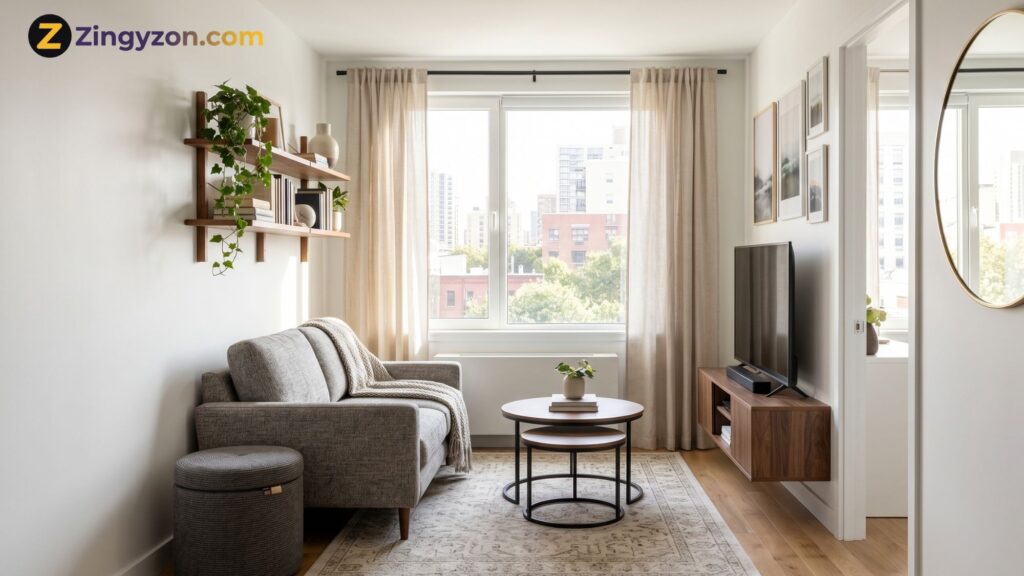
The best furniture for small living rooms combines comfort, storage, flexibility, and visual lightness. Start with a compact sofa, then add smart pieces like a storage ottoman, nesting tables, floating shelves, slim accent chairs, and a narrow media console. Keep the layout simple and choose furniture that supports your daily routine.
A small living room does not need to feel limited. With the right furniture choices, it can become a cozy, stylish, and practical space that feels bigger than it really is.
FAQs
What furniture is best for a small living room?
The best furniture includes compact sofas, storage ottomans, nesting tables, floating shelves, slim chairs, round coffee tables, and narrow TV stands. These pieces save space while keeping the room functional.
How do I make a small living room look bigger with furniture?
Choose furniture with exposed legs, light colors, simple shapes, and multi-purpose storage. Keep walkways clear and avoid oversized furniture sets.
Is a sectional good for a small living room?
A small sectional can work if it fits the room properly and does not block movement. In very small spaces, a loveseat or apartment-size sofa may be better.
What coffee table is best for a small living room?
A round coffee table, nesting table, or storage ottoman is usually best because these options improve flow and add function without taking too much space.
Should small living rooms use dark furniture?
Dark furniture can work, but it should be balanced with light walls, good lighting, and open space. Light or neutral furniture is often easier for small rooms.
Keep Exploring Zingyzon.com
Read more Zingyzon SEO, digital marketing, online earning, business, and technology guides for Australia, USA, and global readers.