
Furniture and Living Room Ideas for a Stylish, Home
A living room is more than a place to sit. It is the space where family conversations happen, guests feel […]
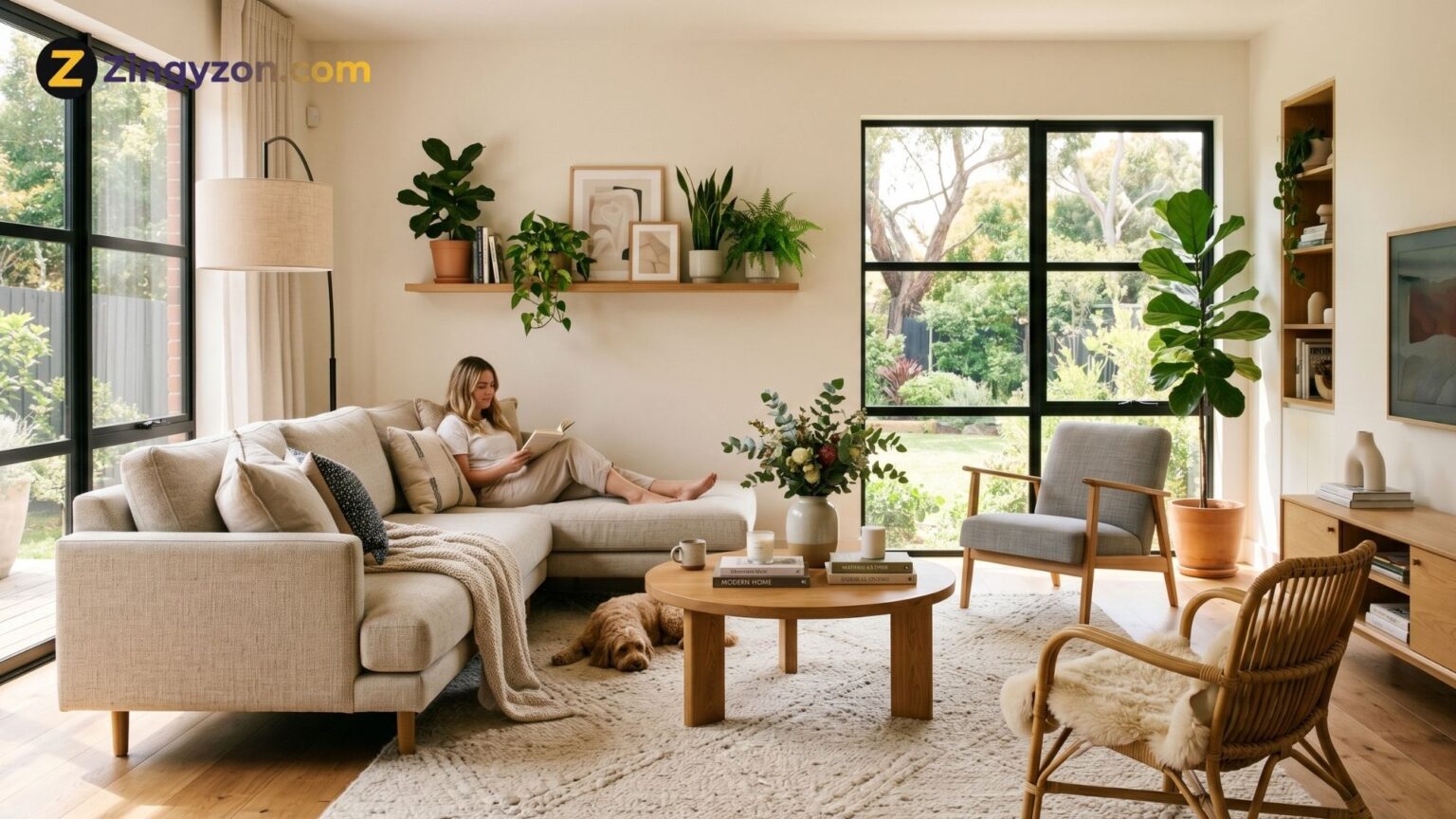
A living room is more than a place to sit. It is the space where family conversations happen, guests feel welcomed, and everyday comfort becomes part of the home. That is why the right furniture and living room ideas can completely change how a room looks, feels, and works. A beautiful living room does not always need expensive pieces. It needs smart choices, balanced placement, useful storage, comfortable seating, and decor that matches your lifestyle.
Whether you are decorating a new home or refreshing an old room, the goal should be simple. Your living room should feel open, practical, warm, and easy to use. In this guide from Zingyzon home improvement inspiration, you will learn how to choose furniture, arrange layouts, select colors, add storage, and style your living room without making the space feel crowded.
Start with the Purpose of Your Living Room
Before choosing sofas, tables, shelves, or decor, think about how the room will be used every day. Some living rooms are designed for family movie nights. Some are used for formal guests. Some work as a mixed space for relaxing, reading, working, and entertaining. The best furniture plan starts with the real purpose of the room.
If the room is mainly for family comfort, soft seating, durable fabrics, and easy-clean surfaces should come first. If the room is for guests, a balanced sofa arrangement, accent chairs, and a clean coffee table setup will create a more polished look. If the space is small, multifunctional furniture can help the room feel bigger and more useful.
Choose a Comfortable Sofa as the Main Anchor
The sofa is usually the largest and most important furniture piece in the living room. It sets the tone for the whole space, so choose one that matches both comfort and design. A neutral sofa works well because it can blend with different rugs, cushions, curtains, and wall colors. A bold sofa can also work if the rest of the room stays simple.
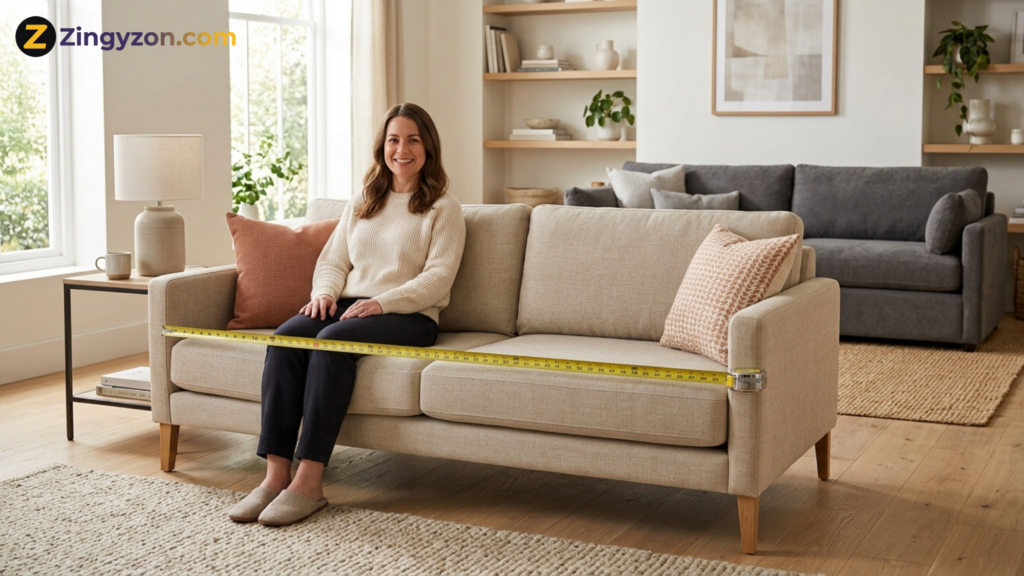
For a large living room, an L-shaped sectional can create a relaxed and social seating area. For a medium room, a three-seat sofa with two accent chairs gives balance. For a small living room, a compact sofa, loveseat, or slim-profile couch can keep the floor plan open. Always measure the space before buying because a sofa that looks perfect online may feel too heavy once it enters the room.
Use Smart Layouts to Make the Room Feel Balanced
A good living room layout makes movement easy. People should be able to walk through the room without bumping into tables, corners, or chairs. Keep clear pathways between seating, doors, and storage areas. The room should feel connected, not blocked.
One simple layout idea is to place the sofa facing the main focus point, such as a TV wall, fireplace, window, or artwork. Then add side chairs or ottomans to complete the conversation area. A coffee table should sit close enough to use comfortably, but not so close that it makes the seating area feel tight. In most homes, balanced spacing is more important than filling every empty corner.
Pick a Coffee Table That Adds Style and Function
A coffee table is not just a decorative piece. It holds books, remotes, trays, drinks, and small decor items. The right coffee table should match the sofa height, room size, and daily use. A wooden coffee table adds warmth. A glass table can make a small room feel lighter. A round table softens the look and helps movement in tight spaces.
For practical homes, choose a coffee table with drawers, a lower shelf, or hidden storage. This keeps the living room clean without removing useful items from reach. If you like a minimal look, use one tray, one plant, and one book stack instead of too many decorations.
Add Accent Chairs for Flexibility
Accent chairs help complete the room and give extra seating without making the layout too heavy. They can also introduce color, texture, or shape. A soft fabric chair makes the room feel cozy. A leather chair adds a classic touch. A rattan or wooden chair gives a natural, relaxed style.
Accent chairs work best when they support the main sofa rather than compete with it. If the sofa is plain, the chairs can have pattern or texture. If the sofa is bold, choose quieter chairs. This balance keeps the living room stylish and easy to look at.
Use Storage Furniture to Reduce Clutter
A living room often becomes messy because it collects many small items. Storage furniture solves this problem while improving the design. TV units, sideboards, console tables, bookshelves, nesting tables, and storage ottomans can all make the room more organized.
Closed storage is useful for hiding cables, toys, blankets, and extra accessories. Open shelving is better for books, plants, framed photos, baskets, and decorative items. A good rule is to mix both open and closed storage so the room feels beautiful but not overloaded. You can also explore the home improvement category on Zingyzon for more practical home upgrade ideas.
Select Colors That Feel Warm and Easy to Style
Color can change the mood of a living room quickly. Neutral colors such as beige, cream, white, gray, taupe, and soft brown create a calm base. These shades are easy to style with different furniture finishes and seasonal decor. They also help small rooms feel more open.
If you want more personality, add color through cushions, rugs, curtains, wall art, throws, or accent chairs. This method is safer than choosing every large furniture item in a bold color. When trends change, you can update small decor pieces without replacing the main furniture.
Layer Lighting for a More Expensive Look
Lighting is one of the easiest ways to make a living room look more finished. A single ceiling light often makes the room feel flat. Layered lighting creates depth and comfort. Use a mix of ceiling lights, floor lamps, table lamps, wall lights, and natural light.
Place a floor lamp near a reading chair, a table lamp near a side table, and warm lighting near the sofa area. Soft warm bulbs usually create a more welcoming mood than harsh white lighting. If the room has good daylight, use light curtains to keep the space bright while still adding privacy.
Choose Rugs That Connect the Furniture
A rug can make separate furniture pieces feel like one complete design. The rug should be large enough to connect the sofa, chairs, and coffee table. If the rug is too small, the room may look unfinished. If it is too large, it may overpower the floor.
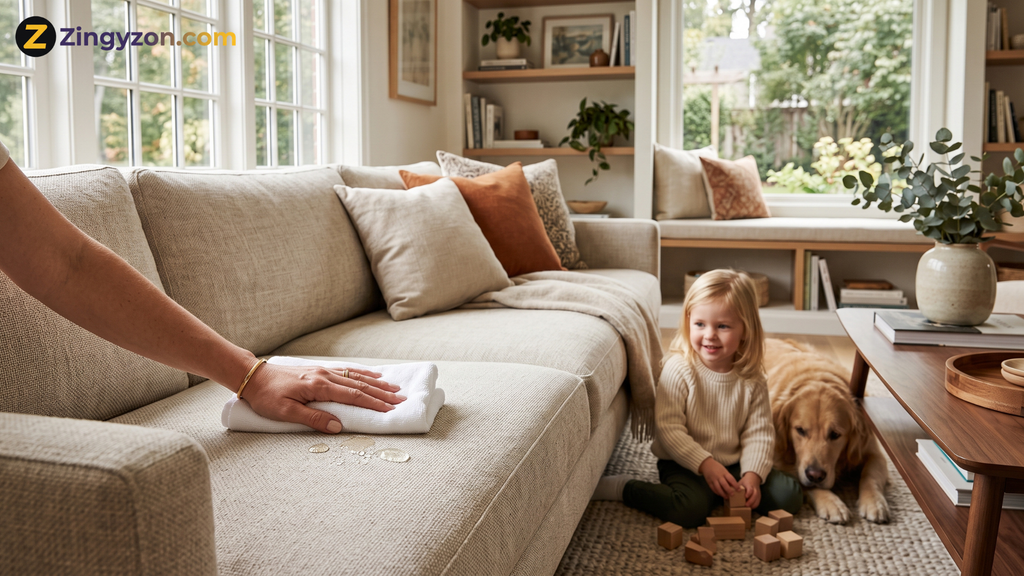
For a calm living room, choose a neutral rug with texture. For a simple room that needs energy, use a patterned rug. In homes with children or pets, washable rugs or low-pile rugs are easier to maintain. The rug should support the furniture style instead of distracting from it.
Decorate with Simple Details That Add Personality
Decor makes a living room feel personal, but too much decor can make it feel busy. Choose a few strong details instead of many small items. Wall art, cushions, throws, plants, lamps, books, mirrors, and vases can all add character when used carefully.
A mirror can make a small living room feel larger. Plants add freshness and natural color. Cushions and throws make sofas feel more inviting. Books and trays create a styled look on coffee tables and shelves. The best decor should feel natural to your home, not like a copied showroom.
Furniture Ideas for Small Living Rooms
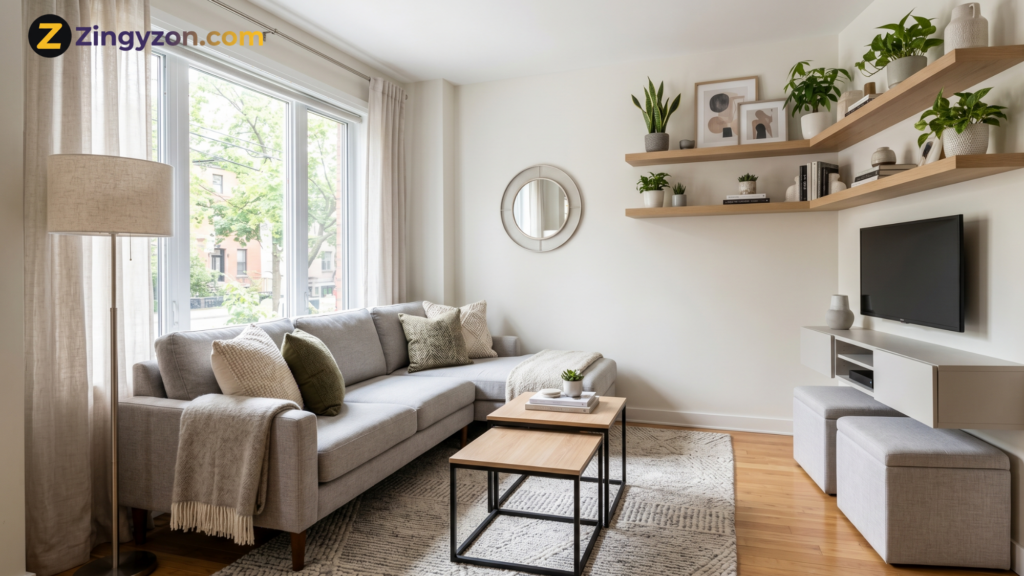
Small living rooms need furniture that feels light and useful. Choose raised-leg sofas, slim chairs, wall shelves, nesting tables, and storage ottomans. Furniture with visible legs creates more open floor space, which makes the room feel bigger. Avoid oversized sofas, bulky TV units, and too many side tables.
Use vertical wall space for storage and decor. Floating shelves, tall bookcases, and wall-mounted cabinets can reduce floor clutter. Keep the color palette simple and use one main accent color. A small living room can still feel stylish when every piece has a clear purpose.
Furniture Ideas for Large Living Rooms
Large living rooms need structure. Without proper placement, a big room can feel empty or cold. Use area rugs, sectionals, accent chairs, console tables, and lighting zones to divide the space. You can create one zone for conversation, one for entertainment, and one for reading or relaxing.
Large rooms can also handle bigger artwork, statement lamps, wide coffee tables, and layered textures. The goal is to make the room feel complete without filling it with random furniture. Each area should have a purpose and a visual connection to the rest of the room.
Quick Living Room Styling Checklist
- Measure the room before buying large furniture.
- Choose a sofa that fits your daily lifestyle.
- Keep walking paths open and comfortable.
- Use a rug large enough to connect the seating area.
- Mix open and closed storage to control clutter.
- Add layered lighting instead of relying on one ceiling light.
- Use cushions, throws, plants, and wall art for personality.
- Choose timeless large furniture and trendier small decor.
Common Furniture Mistakes to Avoid
Many living rooms feel uncomfortable because the furniture is either too large, too small, or placed without a clear plan. Avoid pushing every piece against the wall unless the room is very small. Avoid buying matching sets if they make the room feel flat. Avoid too many decor items on tables and shelves because clutter can hide the beauty of the furniture.
Another common mistake is ignoring comfort. A living room can look beautiful in photos but still fail in daily life if the seating is uncomfortable, the lighting is poor, or the storage is missing. Good design should support real life first. After that, style becomes much easier.
Final Thoughts
The best furniture and living room ideas are the ones that make your home feel comfortable, practical, and personal. Start with the purpose of the room, choose furniture that fits the space, keep the layout open, add useful storage, and finish with lighting, rugs, and decor. You do not need to redesign everything at once. Even small updates like a better rug, new cushions, improved lighting, or a smarter coffee table can refresh the whole room.
For more simple home, decor, and lifestyle guides, visit the latest Zingyzon blog guides and keep exploring practical ideas that make your home look better and work better every day.
FAQs
What is the most important furniture piece in a living room?
The sofa is usually the most important piece because it anchors the seating area and sets the comfort level of the room. Choose a sofa that fits your space, lifestyle, and design theme.
How can I make a small living room look bigger?
Use slim furniture, raised legs, light colors, mirrors, vertical storage, and fewer bulky pieces. Keep pathways clear so the room feels open and easy to move through.
Which colors are best for living room furniture?
Neutral colors such as beige, cream, gray, brown, and soft white are easy to style. You can add stronger colors through cushions, rugs, curtains, plants, and wall art.
How many internal links should I add to this post?
Two to three natural internal links are enough for this article. The links should help readers explore related Zingyzon content without making the article look over-optimized.
Keep Exploring Zingyzon.com
Read more Zingyzon SEO, digital marketing, online earning, business, and technology guides for Australia, USA, and global readers.