
How to Close Round Ducted Heating Vents Safely
Many homeowners think that closing round ducted heating vents in unused rooms can save energy and improve comfort. While this […]
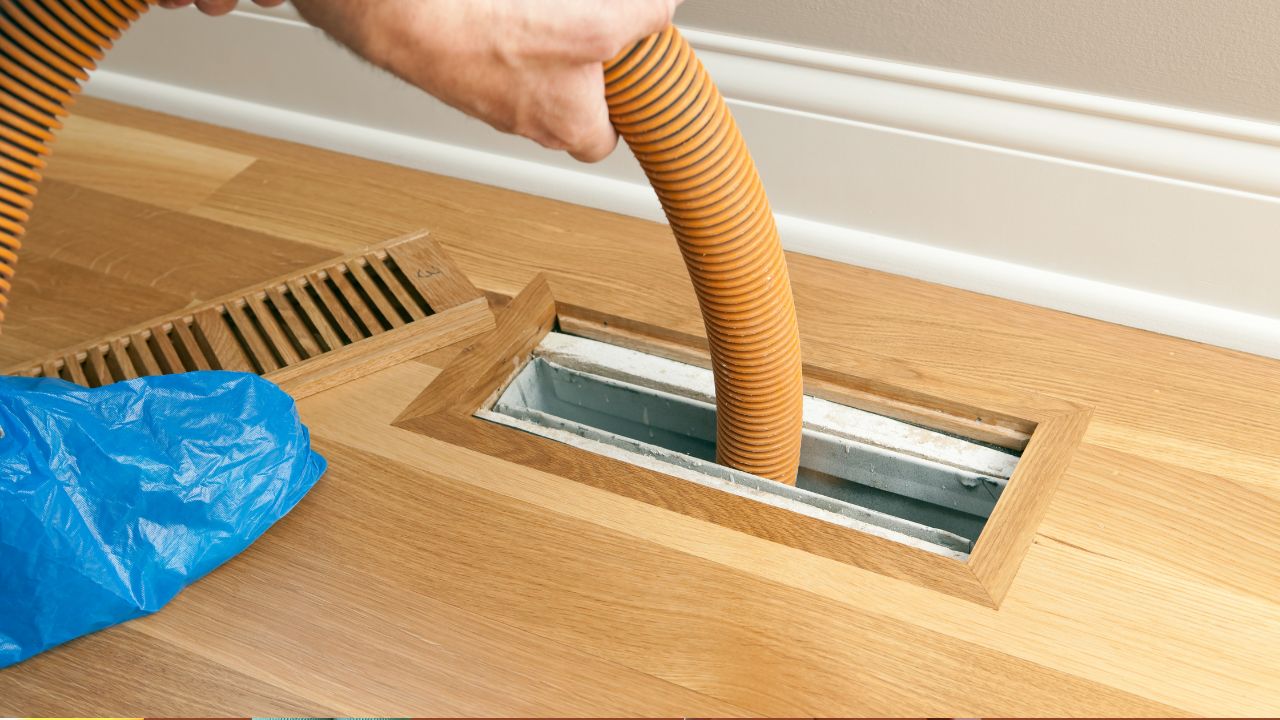
Many homeowners think that closing round ducted heating vents in unused rooms can save energy and improve comfort. While this seems logical, closing vents improperly can actually reduce your HVAC system’s efficiency, increase energy bills, and even damage the system over time. Understanding the right way to control airflow in your home is crucial for both comfort and safety.
Why Closing Vents Can Be Harmful
Before learning how to close vents, it’s important to understand why simply shutting them may do more harm than good:
- Restricts Airflow:
Fully closed vents increase air pressure in the ductwork. This can cause leaks, damage duct joints, and force your furnace or air conditioner to work harder, increasing wear and tear. - Reduces Energy Efficiency:
Closing vents does not reduce the total amount of heated or cooled air your system produces. The HVAC system will still push the same volume of air, often wasting energy and raising utility bills. - Encourages Mold Growth:
Closed vents can cause condensation inside ducts and on vent surfaces, creating an ideal environment for mold and mildew to develop. - Disrupts Temperature Balance:
Shutting vents in certain rooms can create uneven heating or cooling, resulting in hot or cold spots throughout your home. - Shortens HVAC System Lifespan:
Increased static pressure from closed vents forces the blower to work harder, stressing components and reducing the overall life of your system.
How to Close Round Ducted Heating Vents Correctly
If you still want to adjust airflow to certain rooms, here are safe methods to follow:
1. Use the Vent Lever or Damper
Most round ducted vents come with a built-in lever or damper that allows partial closure. Fully closing the vent can be harmful, but partially closing it (about 25–50%) can help redirect airflow without overpressurizing the system.
2. Adjust for Multi-Level Homes
Heat rises, so upstairs rooms often receive more warmth than needed. Partially closing vents upstairs while keeping downstairs vents fully open can improve comfort without straining your HVAC system.
3. Check for Duct Dampers
Some homes have manual dampers installed in the ductwork. These can be adjusted to balance airflow between rooms. Always ensure changes are minor to maintain proper pressure and system efficiency.
4. Avoid Sealing Vents Completely
Never use tape or sealants to close vents permanently. This can lead to static pressure buildup and potential damage to your ductwork or HVAC system.
5. Maintain Your System
Regular maintenance, including cleaning filters and checking duct integrity, ensures your HVAC system can handle minor adjustments in airflow safely. Proper maintenance also improves energy efficiency and indoor air quality.
you can also check out our guide : Oven Cleaning Toowoomba: Sparkling Ovens for Safer Cooking
Alternative Solutions
Instead of closing vents completely, consider these alternatives:
- Upgrade to a Multi-Zone HVAC System:
This allows independent temperature control for different areas or floors of your home. - Use Fans or Air Circulators:
Ceiling or portable fans can help distribute heat more evenly without closing vents. - Install Smart Thermostats:
Some thermostats can control airflow and temperature per zone, reducing the need to manually close vents.
Conclusion
Closing round ducted heating vents can be done safely, but it requires careful partial adjustments rather than complete shutdown. Over-closing vents can damage your HVAC system, increase energy costs, and create uneven temperatures in your home.
The key is partial closure, proper maintenance, and, if possible, investing in a multi-zone system or smart controls. By following these tips, you can maintain comfort, improve efficiency, and protect your HVAC system from unnecessary strain.

Keep Exploring Zingyzon.com
Read more Zingyzon SEO, digital marketing, online earning, business, and technology guides for Australia, USA, and global readers.