
Cleaning Bathroom Mould: How to Remove and Prevent Mould Effectively
If you’ve noticed dark spots forming on your bathroom tiles, ceilings, or shower curtains, you’re dealing with a common problem—mould. […]
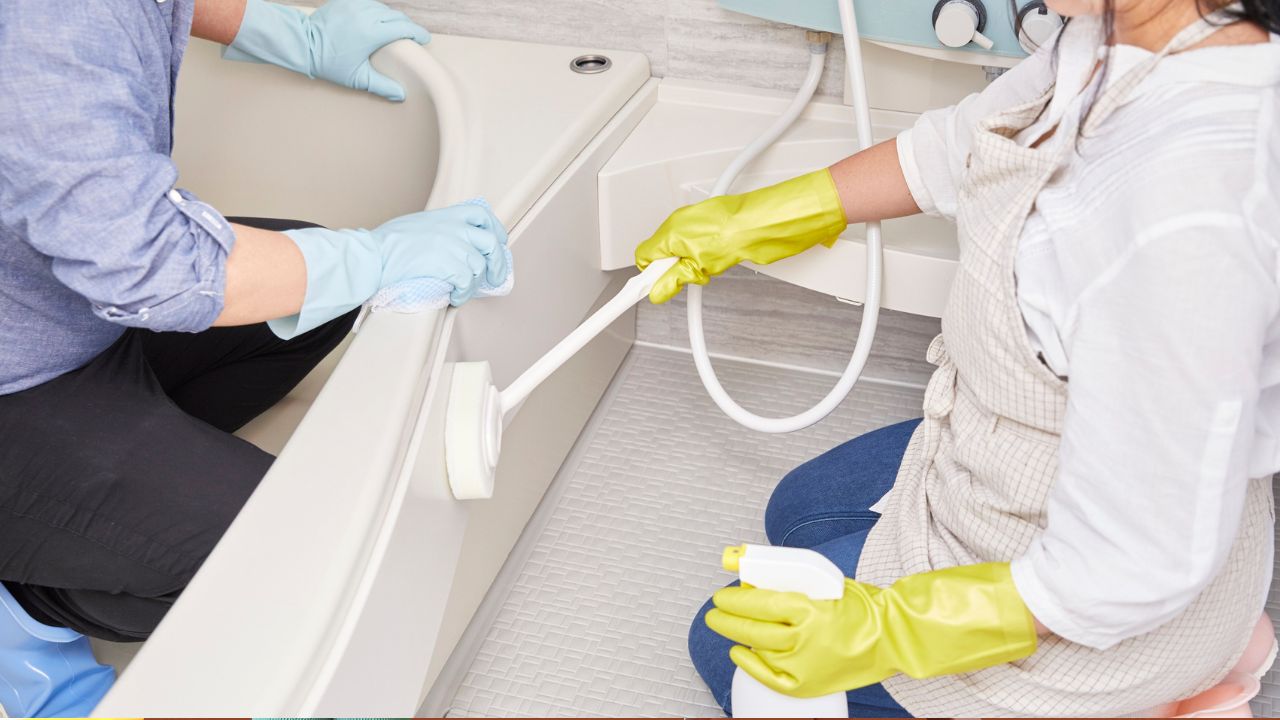
If you’ve noticed dark spots forming on your bathroom tiles, ceilings, or shower curtains, you’re dealing with a common problem—mould. Cleaning bathroom mould is essential not just for hygiene but also for maintaining a healthy indoor environment. Mould thrives in damp, poorly ventilated spaces, and bathrooms provide the perfect conditions for it to grow.
In this guide, we’ll cover the causes of bathroom mould, the best methods for cleaning it, and tips to prevent it from returning. Whether you prefer natural cleaning methods or commercial products, these solutions will help you keep your bathroom fresh and spotless.
What Causes Bathroom Mould?
Before diving into cleaning bathroom mould, it’s important to understand why it forms. Mould develops when excess moisture meets organic material such as grout, paint, or soap residue. Common causes include:
- Poor Ventilation – Without proper airflow, steam and humidity linger after showers.
- Water Leaks – Leaky pipes, faucets, or seals around bathtubs create damp areas perfect for mould.
- High Humidity – Bathrooms often retain moisture due to constant water usage.
- Lack of Regular Cleaning – Dirt, soap scum, and grime provide a food source for mould spores.
By addressing these causes, you can significantly reduce the chances of mould returning after cleaning.
Best Methods for Cleaning Bathroom Mould
When it comes to cleaning bathroom mould, you can choose between natural solutions and chemical cleaners. Both methods are effective if used properly.
1. Using Natural Cleaners
If you prefer eco-friendly options, here are a few natural methods:
- Vinegar – Fill a spray bottle with undiluted white vinegar and apply it directly to mouldy areas. Let it sit for at least an hour, then scrub and rinse.
- Baking Soda – Mix baking soda with water to form a paste. Apply it to affected areas, scrub with a brush, and rinse thoroughly.
- Hydrogen Peroxide – Spray 3% hydrogen peroxide on the mould, let it sit for 10 minutes, and wipe clean.
These natural solutions are safe, affordable, and ideal for small mould patches.
2. Using Commercial Cleaners
For more stubborn infestations, commercial mould removers may be necessary. Look for cleaning products designed for bathrooms, as they contain anti-fungal agents that kill mould at the source.
Steps for cleaning:
- Spray the product evenly on mouldy surfaces.
- Let it sit for the recommended duration (check the label).
- Scrub using a stiff brush or old toothbrush.
- Rinse thoroughly and dry the area completely.
Always wear gloves and ensure good ventilation when using chemical cleaners to avoid irritation.
How to Prevent Mould From Returning
After successfully cleaning bathroom mould, the next step is preventing it from coming back. Here’s how:
- Improve Ventilation – Use an exhaust fan or open windows to reduce humidity.
- Fix Leaks – Regularly inspect and repair leaking taps or pipes.
- Use a Dehumidifier – Keeps moisture levels low in humid bathrooms.
- Clean Regularly – Wipe down wet surfaces and remove soap scum weekly.
- Seal Grout and Tiles – Apply a waterproof sealant every few months to prevent moisture buildup.
- Dry Towels and Mats – Hang them to dry instead of leaving them damp in the bathroom.
Consistency is key—regular cleaning and ventilation are your best defense against mould.
Health Risks of Bathroom Mould
Ignoring mould in your bathroom can have serious health consequences, especially for individuals with allergies or respiratory conditions. Common symptoms caused by mould exposure include:
- Sneezing, coughing, or throat irritation
- Skin rashes
- Watery eyes
- Worsening asthma symptoms
This makes cleaning bathroom mould not just an aesthetic task, but a health priority.
When to Call a Professional
If you have a large mould problem (covering more than one square meter) or if it keeps returning despite cleaning, it’s best to call a professional. Mould remediation experts use advanced equipment and anti-fungal treatments to remove mould completely and safely.
FAQs About Cleaning Bathroom Mould
Q1: What kills bathroom mould instantly?
White vinegar or hydrogen peroxide can kill mould quickly when applied directly and left to sit for several minutes before scrubbing.
Q2: Can bleach be used to clean bathroom mould?
Yes, but it should be diluted with water (1 part bleach to 3 parts water). Always ensure good ventilation when using bleach.
Q3: Is mould harmful to health?
Yes, prolonged exposure to mould can cause respiratory issues, allergies, and other health problems.
Q4: How often should I clean my bathroom to prevent mould?
Clean your bathroom at least once a week and ensure proper ventilation after every shower.
Q5: What’s the best way to stop mould from growing back?
Keep the bathroom dry, ventilated, and free of leaks. Wipe down wet surfaces and use anti-mould sprays regularly.
Conclusion:
Cleaning bathroom mould doesn’t have to be a difficult or time-consuming task. By using natural or commercial solutions, improving ventilation, and maintaining regular cleaning habits, you can keep your bathroom spotless and healthy. A mould-free bathroom not only looks better but also promotes a cleaner, safer living environment for you and your family.


Keep Exploring Zingyzon.com
Read more Zingyzon SEO, digital marketing, online earning, business, and technology guides for Australia, USA, and global readers.