
How to Tighten Bike Spokes for Better Power Transfer
Spoke tension is one of the most important factors in a bicycle wheel’s performance. Properly tightened spokes keep your wheels […]
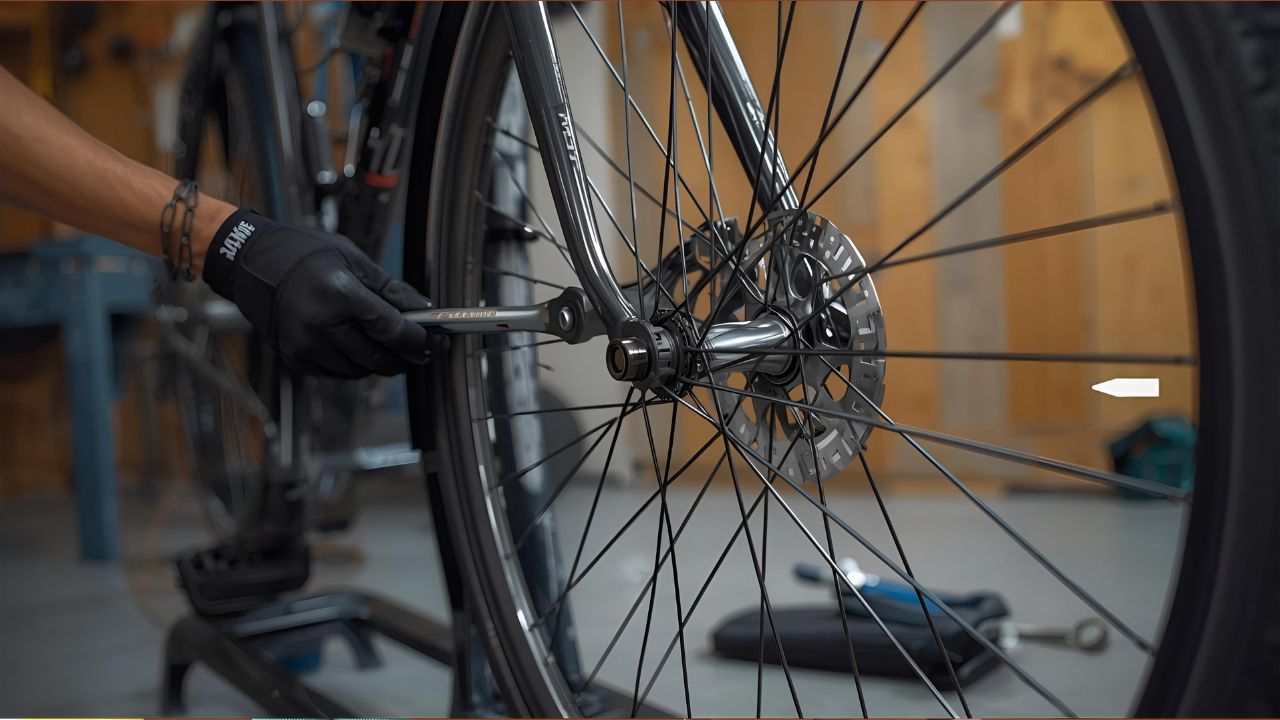
Spoke tension is one of the most important factors in a bicycle wheel’s performance. Properly tightened spokes keep your wheels true, absorb shocks, and transfer your pedaling power efficiently to the road.
Loose or uneven spokes can cause wheel wobble, energy loss, and even damage to your rim or hub. This guide explains how to tighten bike spokes correctly to optimize performance and maintain a strong, reliable wheelset.
Why Spoke Tension Matters
Spokes connect your hub to the rim, forming the wheel’s structure. When you pedal, the force moves through the hub and spokes to the rim.
- Balanced tension keeps the wheel stiff and responsive.
- Loose spokes reduce stiffness, causing energy loss and potential damage.
- Over-tight spokes can snap or damage your rim and hub.
Proper spoke tension ensures smooth power transfer and a safer, more efficient ride.
Tools You’ll Need
- Spoke wrench: The correct size for your spoke nipples.
- Tensiometer (optional): Measures the exact tension.
- Wheel truing stand or bike frame: To check alignment.
- Marker or tape: To mark problem areas.
Step-by-Step Guide to Tighten Bike Spokes
1. Inspect Your Wheel
- Spin the wheel and check for side-to-side wobble (lateral trueness).
- Look for up-and-down hops (radial trueness).
- Pluck spokes to listen for uneven tension; looser spokes sound lower-pitched.
2. Measure Tension
- If you have a tensiometer, measure spoke tension.
- Compare with your wheel manufacturer’s recommended range.
3. Tighten or Loosen Spokes
- Turn spoke nipples clockwise to tighten.
- Turn counterclockwise to loosen.
- Adjust gradually (quarter-turns) and alternate sides to maintain balance.
4. Focus on the Drive Side
- Drive-side spokes usually carry higher tension due to cassette forces.
- Ensure even tension on this side for optimal power transfer.
5. Check Wheel Trueness
- After each adjustment, spin the wheel to check for wobble.
- Make minor lateral corrections as needed.
6. Avoid Over-Tensioning
- Over-tight spokes can cause:
- Spoke breakage
- Rim damage
- Hub flange cracks
- Always stay within recommended tension levels.
Tips for Best Results
- Balance is key: Uneven tension can cause wheel failure even if average tension seems fine.
- Regular maintenance: Check spokes after rough rides or impacts.
- Seek professional help: If unsure, a skilled mechanic or wheelbuilder can adjust spokes safely.
- Upgrade components: Stronger spokes or rims handle tension better.
Conclusion
Tightening your bike spokes correctly improves power transfer, wheel strength, and overall ride performance. With the right tools, small incremental adjustments, and attention to balance, your wheels will stay true and responsive.
Remember, well-tensioned spokes are the backbone of a high-performance wheelset. Take the time to get it right, and your bike will reward you with smoother rides and more efficient pedaling.



Keep Exploring Zingyzon.com
Read more Zingyzon SEO, digital marketing, online earning, business, and technology guides for Australia, USA, and global readers.