
Is Solar Energy Expensive? 6 Common Misconceptions About Solar Energy
As the demand for renewable energy rises, many homeowners and businesses consider switching to solar energy. However, myths about high […]
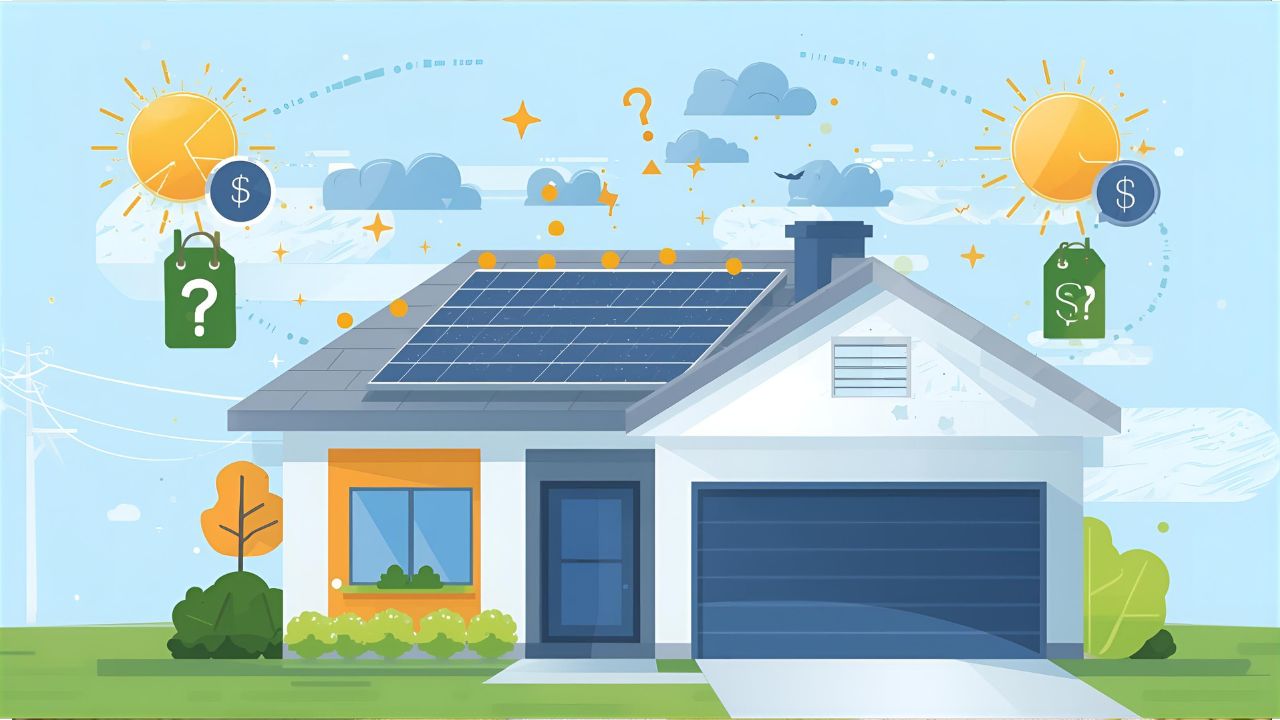
As the demand for renewable energy rises, many homeowners and businesses consider switching to solar energy. However, myths about high costs, maintenance, and efficiency often make people hesitant. Let’s debunk the most common misconceptions about solar energy and show why investing in solar power is both practical and cost-effective.
1. Solar Energy Systems Are Expensive and Not Cost-Effective
Reality: Solar system prices vary depending on the provider and technology. Some companies only import and distribute solar panels, while others offer in-house manufacturing and end-to-end solutions. Modern solar systems provide long-term savings, faster ROI, and reduced monthly electricity costs.
Energy storage units and net-metering further enhance cost efficiency, making solar far more economical than traditional energy sources. Investing in solar is a smart long-term decision, especially with rising electricity costs.
2. Solar Systems Require a Lot of Maintenance
Reality: Solar panels are built to withstand harsh climates and require minimal maintenance. Cleaning panels every six months is usually sufficient unless you live in dusty or snowy areas.
Professional solar providers often include periodic maintenance in their service, making upkeep simple and worry-free. Inverters and batteries, usually installed indoors, require even less attention.
3. Solar Panels Only Work in Summers
Reality: Solar panels generate electricity from sunlight, not heat. Even on cold or cloudy days, solar panels can efficiently produce energy as long as they receive light.
4. You Can’t Store Solar Energy for Night-Time Use
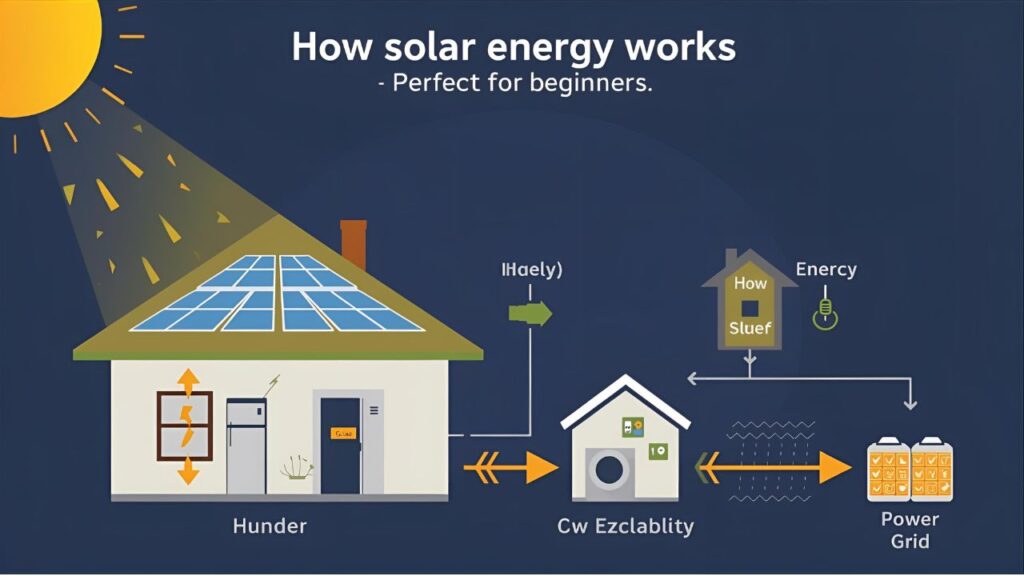
Reality: There are two main types of solar systems:
- Grid-tied systems: No storage; excess energy goes to the grid.
- Hybrid systems: Include energy storage to provide electricity at night or during outages.
Hybrid systems allow you to store excess energy produced during the day for use later, ensuring continuous power supply.
5. The ROI on Solar Energy is Too Long
Reality: A high-quality solar system can last 25–30 years. With net-metering, energy savings, and protection against inflation and power outages, ROI can be achieved within 5–8 years. Solar energy is a practical investment that continues to save money for decades.
6. Solar Energy Systems Don’t Last Long
Reality: The minimum lifespan of a Li-ion battery is about 10 years, while solar panels and systems typically last 25–30 years. Even after peak efficiency declines, your system will continue generating power. Regular maintenance ensures optimal performance for decades.
Switching to Solar is Simple
Some people believe transitioning to solar is complicated. In reality, working with an experienced renewable energy provider simplifies the process. Companies like SkyElectric offer Smart Solar plus Storage Systems, making clean energy accessible and reliable.
Most misconceptions about solar energy are outdated. By doing proper research and choosing the right provider, you can enjoy long-term financial and environmental benefits.
Keep Exploring Zingyzon.com
Read more Zingyzon SEO, digital marketing, online earning, business, and technology guides for Australia, USA, and global readers.