
How to Sleep with 24-Hour ECG: Tips for a Comfortable Night
Wearing a 24-hour ECG monitor (also called Holter monitor) can feel awkward at first, especially when it comes to sleeping. […]
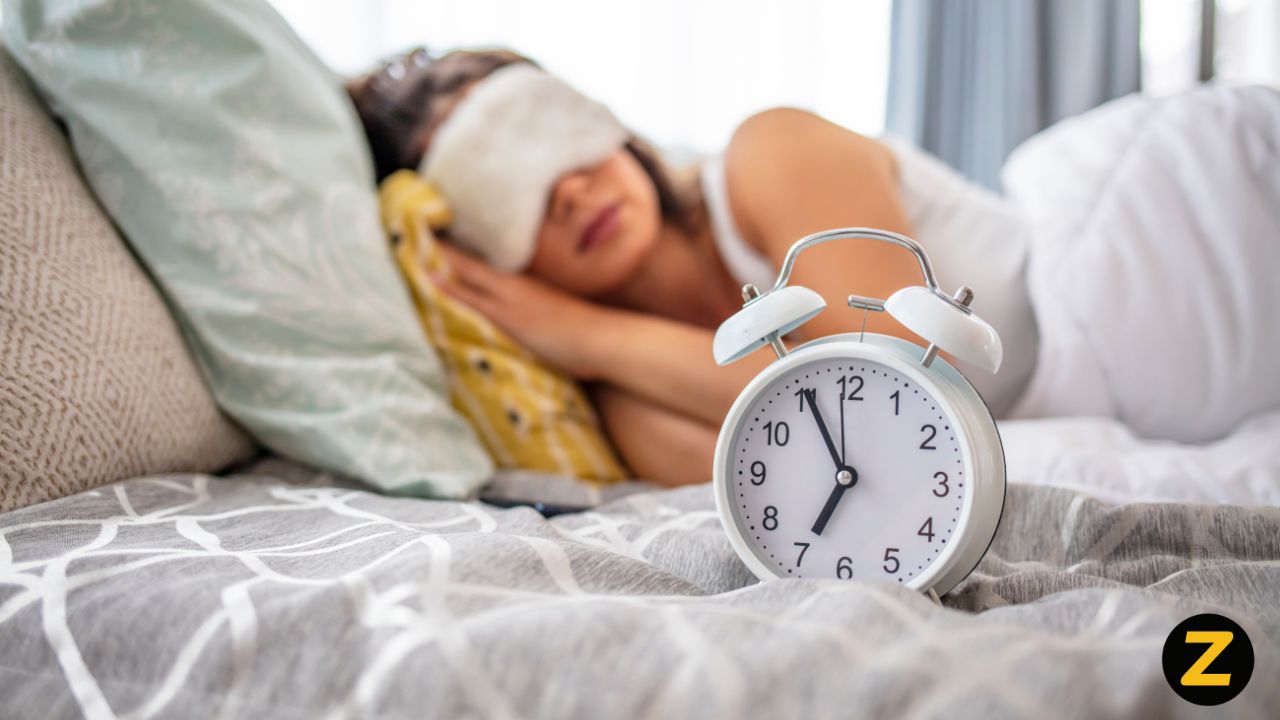
Wearing a 24-hour ECG monitor (also called Holter monitor) can feel awkward at first, especially when it comes to sleeping. This device records your heart’s activity continuously over a day, helping doctors detect irregularities that might not appear during a brief ECG at a clinic.
Knowing how to sleep with 24-hour ECG properly is important, both for your comfort and to ensure accurate readings. With a few adjustments, you can get a restful night without compromising the test.
Understanding the 24-Hour ECG
A 24-hour ECG involves wearing electrodes attached to your chest and a small recording device, usually clipped to your belt or worn in a pouch. It monitors heart activity continuously, providing your doctor with detailed data on heart rhythm throughout your daily activities and sleep.
The monitor is lightweight, but sleeping with electrodes and wires can feel strange at first. Following these tips can help you adjust.
Tips for Sleeping Comfortably
1. Dress Appropriately
- Wear loose, comfortable clothing to bed.
- Avoid tight shirts that press on electrodes or wires.
2. Position Yourself Carefully
- Sleeping on your back is usually the easiest position.
- If you prefer side sleeping, place a small pillow under your arm to prevent pressure on the electrodes.
- Avoid sleeping on your stomach, as it can dislodge electrodes or bend wires.
3. Protect the Wires and Electrodes
- Keep wires tucked under your pajamas to avoid pulling.
- Avoid tugging or twisting the leads while turning during sleep.
- Use medical tape if needed to secure any loose electrodes.
4. Adjust Your Bedding
- Use lightweight sheets to avoid overheating or putting pressure on the monitor.
- Pillows can help cushion areas where wires might rub.
5. Keep a Calm Sleep Environment
- Dim the lights and maintain a comfortable room temperature.
- Avoid caffeine or heavy meals before bedtime, as you normally would.
6. Relax Before Sleep
- Practice deep breathing or gentle stretches to relax your body.
- Focus on staying calm, knowing the monitor is safe and designed for 24-hour wear.
What to Avoid
- Water Contact: Do not shower or bathe while wearing the monitor unless your doctor provides waterproof instructions.
- Electrode Disturbance: Avoid scratching or touching the electrodes during the night.
- Rough Movements: Sudden movements or rolling over abruptly can dislodge electrodes.
Additional Tips
- Sleep Schedule: Try to follow your usual sleep routine for more accurate results.
- Note Sleep Patterns: Keep a diary of when you sleep, wake, or feel any symptoms. This helps doctors correlate your heart activity with daily activities.
- Stay Comfortable: Small adjustments to pillows or mattress position can make a big difference in comfort.
Why Sleeping Properly Matters
Proper sleep while wearing a 24-hour ECG ensures:
- Accurate Readings: Electrode dislodgement or poor contact can lead to incomplete or inaccurate data.
- Reliable Diagnosis: Doctors can better assess irregular heart rhythms when your heart is monitored during normal sleep.
- Personal Comfort: A restful night reduces stress, which may otherwise affect heart rhythm.
Final Thoughts
Learning how to sleep with 24-hour ECG may take a little practice, but it’s completely manageable. With the right clothing, careful positioning, and attention to wire and electrode care, you can sleep comfortably while ensuring accurate heart monitoring.
Following these tips will help you complete your 24-hour ECG successfully, giving your doctor reliable information while allowing you to get a night of decent rest.


Keep Exploring Zingyzon.com
Read more Zingyzon SEO, digital marketing, online earning, business, and technology guides for Australia, USA, and global readers.