
Alignment Problems That Clear Aligners Can Solve
Clear aligners have become a popular option for those looking to straighten their teeth discreetly and comfortably. These aligners are […]
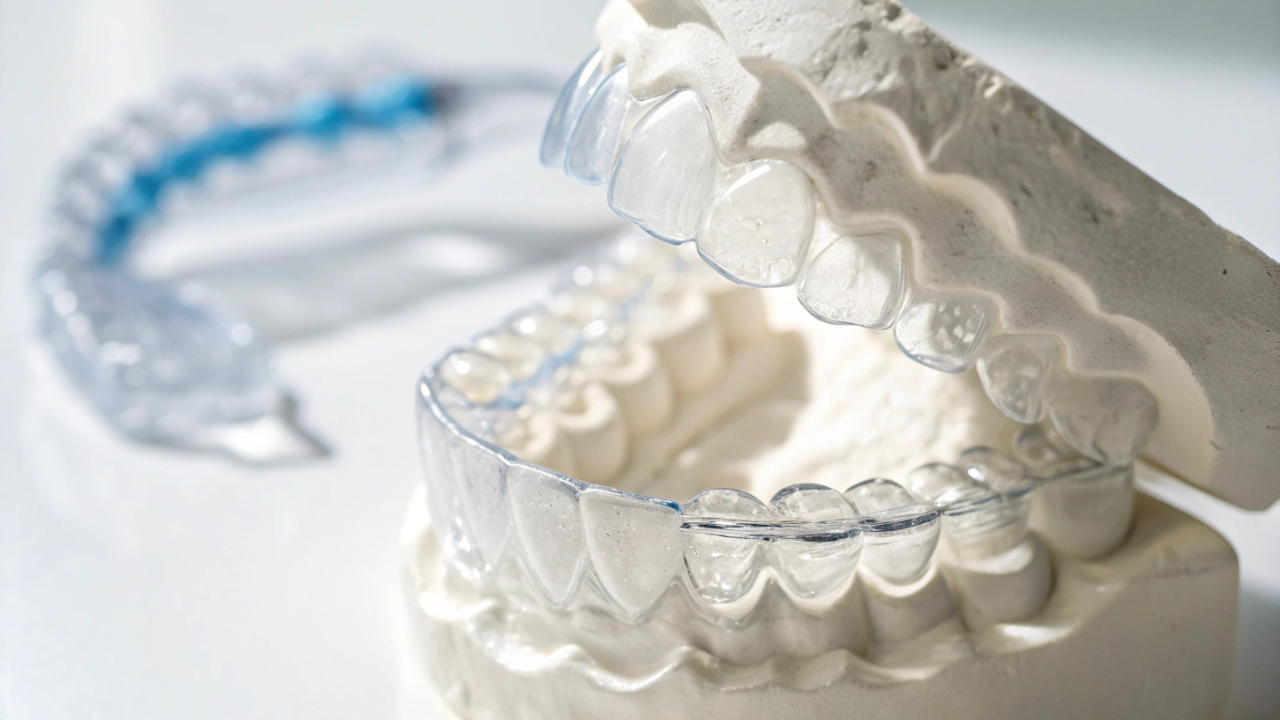
Clear aligners have become a popular option for those looking to straighten their teeth discreetly and comfortably. These aligners are an excellent alternative to traditional braces, offering a more flexible and less noticeable solution to various dental issues. They are designed to gently shift your teeth into better alignment, addressing a wide range of malocclusions (misalignments of teeth and jaws). In this blog, we’ll explore some common dental problems that clear aligners can help solve and how they work to improve both the look and function of your smile.
1. Overbite (Deep Bite)
An overbite happens when the upper front teeth overlap too much with the lower teeth. This can cause teeth wear, jaw pain, and even affect speech. Clear aligners can be used to gradually correct overbites by applying gentle pressure to move the teeth into a more comfortable position.
These aligners may include small attachments on teeth to help apply more focused pressure where needed, ensuring a precise shift. Depending on the severity, treatment typically lasts between 12 to 24 months.
2. Underbite (Reverse Bite)
An underbite occurs when the lower teeth stick out further than the upper teeth, making it difficult to chew and sometimes even talk. This misalignment not only affects your smile but can also cause jaw strain. Clear aligners can help move the teeth into a better position.
To correct an underbite, aligners may need to include rubber bands that connect the upper and lower teeth, helping to shift the lower teeth back and the upper teeth forward. Treatment time for this can range from 18 to 24 months, depending on the complexity of the case.
3. Crossbite
A crossbite occurs when the upper teeth don’t align properly with the lower teeth, either in the front or back of the mouth. This can lead to uneven tooth wear, gum issues, and discomfort. Clear aligners can help correct crossbites by applying targeted forces to move the teeth into their proper positions.
Depending on the severity, it may take between 12 to 24 months to achieve the desired alignment with clear aligners. Attachments or specific aligner designs are sometimes needed to ensure proper movement.
4. Open Bite
An open bite happens when there’s a gap between the upper and lower teeth when the mouth is closed. This can make it difficult to chew and speak properly. Clear aligners can effectively close this gap and bring the teeth into alignment.
To treat an open bite, aligners may require careful planning, sometimes including elastics (small rubber bands) for added pressure. Treatment typically takes 12 to 18 months, depending on the case.
5. Crowding
Crowding occurs when there’s not enough space for all your teeth, causing them to overlap or twist. Clear aligners can help by gradually creating space in your mouth to allow the teeth to align properly.
In some cases, small amounts of enamel may need to be removed to create room for the teeth to shift, a process known as interproximal reduction (IPR). Treatment time for crowding can range from 12 to 24 months, depending on how severe the issue is.
6. Spacing Between Teeth
Some people have gaps between their teeth, which can make their smile look uneven or cause oral health issues. Clear aligners are excellent at gradually closing these gaps and improving the overall appearance of your smile.
The treatment time for spacing issues is usually shorter, typically ranging from 6 to 12 months, depending on the size of the gaps. Attachments may be used to help guide the movement of the teeth.
7. Midline Deviation
Midline deviation happens when the centre of your upper front teeth doesn’t align with the centre of your lower front teeth. This misalignment can affect the symmetry of your smile. Clear aligners can effectively correct this issue by moving the teeth into their proper positions.
Treating midline deviation generally takes between 6 to 12 months, depending on the complexity of the misalignment and how well you stick to the treatment plan.
How Clear Aligners Work
Clear aligners are custom-made trays that you wear over your teeth. Each set of aligners is slightly different, and you switch to a new set every few weeks. These aligners apply gentle, consistent pressure to your teeth, gradually shifting them into the desired positions. The treatment is carefully planned using advanced technology, so your orthodontist can ensure the aligners move your teeth in the right direction.
The Takeaway
Clear aligners are an effective solution for correcting a variety of dental problems, from misalignments like overbites and underbites to spacing issues and crowding. They offer a comfortable, nearly invisible option for those who want to straighten their teeth without the hassle of traditional braces. Whether you’re dealing with a specific issue or just want to enhance the look of your smile, clear aligners might be the right solution for you. Always consult with your orthodontist to determine the best treatment plan tailored to your needs.
By following your dentist’s instructions and wearing your aligners consistently, you can enjoy a straighter, healthier smile in no time.



Keep Exploring Zingyzon.com
Read more Zingyzon SEO, digital marketing, online earning, business, and technology guides for Australia, USA, and global readers.