
OBD2 Scanners: A Smart Investment for Everyday Drivers?
If you’re wondering whether an OBD2 scanner is worth buying, you’re not alone. Picture this: You’re cruising down the road, and […]
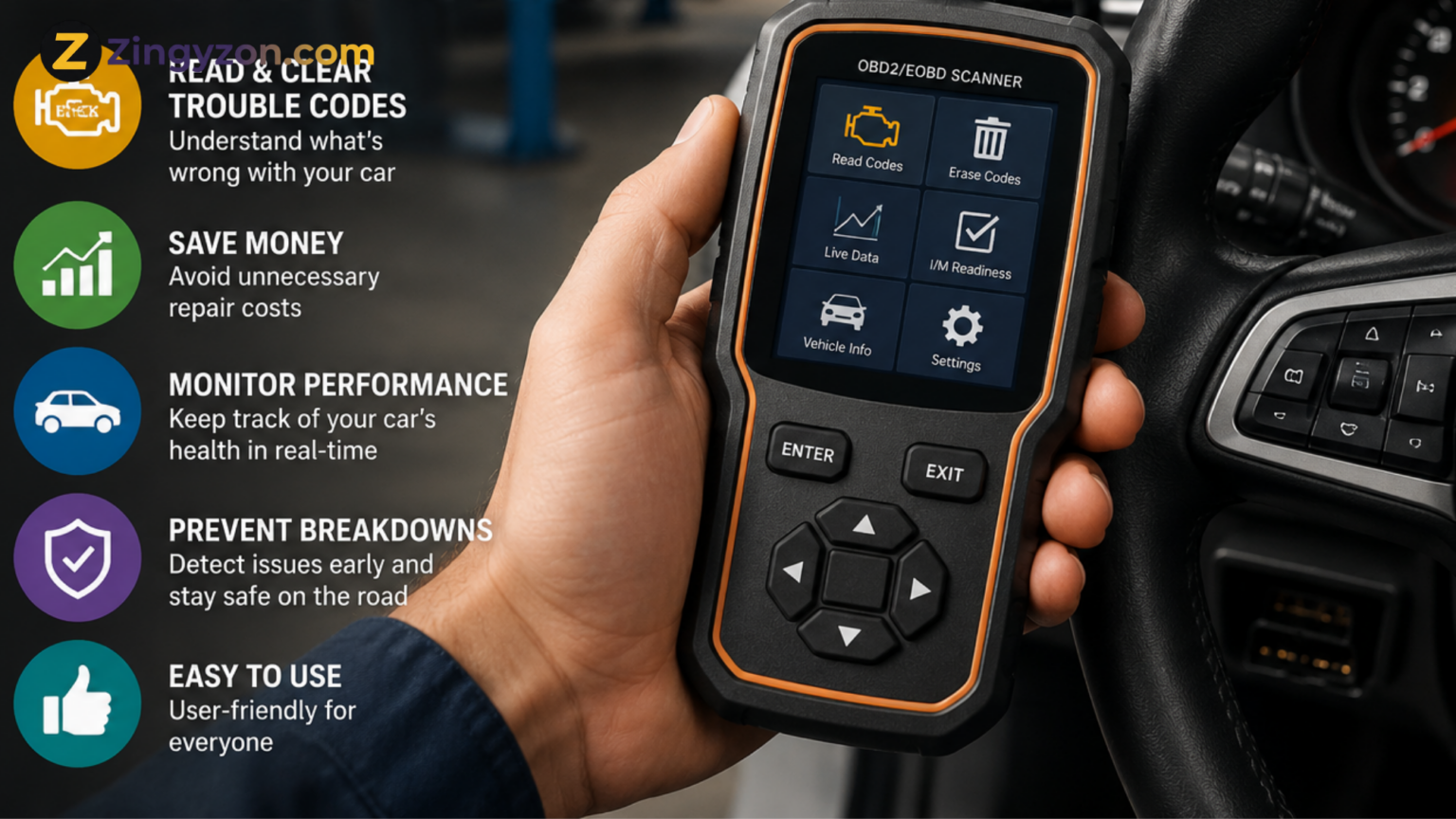
If you’re wondering whether an OBD2 scanner is worth buying, you’re not alone. Picture this: You’re cruising down the road, and out of nowhere, that pesky check engine light flickers on. Your stomach drops because it could mean anything—a quick fix or a wallet-draining repair. As an auto repair expert, I’ve seen this scenario play out countless times. That’s where an OBD2 scanner swoops in to save the day. It’s a nifty little gadget that reads your car’s diagnostic codes, giving you a peek under the hood without needing a mechanic’s help. But is it really worth the investment for everyday drivers like you and me? Let’s break it down.
What is an OBD2 Scanner?
An OBD2 scanner—short for On-Board Diagnostics II scanner—is a tool that plugs into your car’s computer system. It pulls diagnostic trouble codes (DTCs) that pop up when something’s off with your vehicle. These codes can point to problems with your engine, transmission, emissions, or other systems. In simple terms, it’s like a translator that turns your car’s cryptic signals into something you can understand. Whether you call it a vehicle code reader or a car diagnostic tool, its job is the same: to help you figure out what’s wrong.
Benefits of Owning an OBD2 Scanner
Here’s why I think having one of these in your glovebox is a game-changer.
Cost Savings
Let’s start with the big one: money. Taking your car to a mechanic for a diagnosis can cost you $50 to $100 just to find out what’s wrong. With an OBD2 scanner, you skip that fee entirely. For instance, if the scanner shows a code for a loose gas cap, you can tighten it yourself and avoid a shop visit. Plus, after fixing the issue, you can use the scanner to clear the code and turn off that annoying check engine light—no extra trip required.
Convenience
I love the freedom an OBD2 scanner gives me. No more waiting for an appointment or sitting in a mechanic’s lobby. You can plug it in and check the codes right in your driveway or even on the side of the road. It’s a lifesaver during a road trip when you don’t want to hunt down the nearest shop.
Proactive Maintenance
Some scanners go beyond just reading codes—they show real-time data like fuel efficiency, engine temperature, or oxygen sensor readings. This lets you keep tabs on your car’s health and spot trouble before it turns into a major headache. I once caught a funky oxygen sensor reading early, thanks to my scanner, and fixed it before it trashed my fuel economy.
Extra PerksDepending on the model, your scanner might also check other systems like the transmission or anti-lock brakes (ABS). And here’s a cool twist: modern Bluetooth OBD2 adapters pair with your smartphone, turning it into a portable diagnostic hub via an app. It’s a budget-friendly option that’s easy to stash anywhere.
Drawbacks to Consider
No tool is perfect, so let’s look at the flip side.
Initial Cost
You’ll need to shell out some cash upfront. Basic scanners start around $20, but if you want fancy features like live data or ABS checks, you could spend $100 or more. It’s not a huge hit, but it’s still something to weigh.
Learning Curve
Here’s the catch: the scanner tells you the code, but it won’t fix the problem for you. You’ll need to figure out what the code means and how to tackle it. There are tons of online guides and forums, but if cars aren’t your thing, it might feel overwhelming at first.
Compatibility Issues
Most scanners work with cars made after 1996 (when OBD2 became standard), but not every scanner plays nice with every vehicle. Double-check that it matches your car’s make and model before you buy.
Limits of Diagnosis
An OBD2 scanner is awesome for pinpointing codes, but it doesn’t always tell the full story. Some issues need a deeper dive with pro-level tools, which means a mechanic might still get involved.
My Take: A Real-Life Example
I’ve been using an OBD2 scanner for years, and it’s paid off big time. A while back, my check engine light came on during a weekend drive. Instead of stressing, I grabbed my Foxwell scanner—a brand I swear by for its reliability and straightforward design. The code pointed to a glitchy oxygen sensor. I reset it to see if it was a fluke, kept an eye on it, and when it popped up again, I swapped the sensor myself. That little move saved me a $200 mechanic bill and a lot of hassle.
Is It Worth It for Everyday Drivers?
So, here’s the million-dollar question: should you invest in an OBD2 scanner? For me, it’s a no-brainer if you’re even slightly curious about your car or want to cut down on repair costs. It’s not just about fixing stuff yourself—knowing what’s wrong gives you leverage at the repair shop. You can walk in and say, “Hey, it’s just a P0420 code,” instead of letting them charge you for a wild goose chase.That said, if you’re the type who’d rather hand the keys to a pro and forget about it, you might not need one. But for most of us everyday drivers, the perks—like savings, convenience, and peace of mind—tip the scales in favor of owning one.
FAQs
Do I Need an OBD2 Scanner if I’m Not Car-Savvy?
Not a car expert? No worries. Many scanners are beginner-friendly, and there’s a wealth of online help to decode what you’re seeing. It’s less about expertise and more about willingness to learn a little.
Can an OBD2 Scanner Fix My Car?
Nope, it’s not a magic wand. It diagnoses the problem, but you—or a mechanic—still need to do the fixing.
How Much Should I Spend on One?
You can snag a basic code reader for $20-$50, which is fine for most needs. Want more bells and whistles? A mid-range scanner ($50-$100) is a sweet spot for everyday drivers. Pro-level ones can hit $500, but that’s overkill for most of us.
Are There Free Alternatives?
Some auto parts stores offer free code scans, but you’ve got to haul your car there. Owning a scanner means you’re not tied to their schedule—or their location.
Wrapping It Up
At the end of the day, an OBD2 scanner is a small investment with big potential. It puts you in the driver’s seat (pun intended) when it comes to your car’s maintenance. From saving cash to catching issues early, it’s a tool that’s earned its spot in my garage—and maybe yours too. So, is an OBD2 scanner worth the investment? In my book, for most drivers, it’s a resounding yes.Word count: ~1,000

Keep Exploring Zingyzon.com
Read more Zingyzon SEO, digital marketing, online earning, business, and technology guides for Australia, USA, and global readers.