
Dental Tourism in Mumbai: A 2026 Guide for Australian Patients Seeking Affordable, High-Quality Care
Rising dental costs have pushed more people to explore care overseas—especially for treatments like implants, veneers, crowns, and orthodontics. For […]
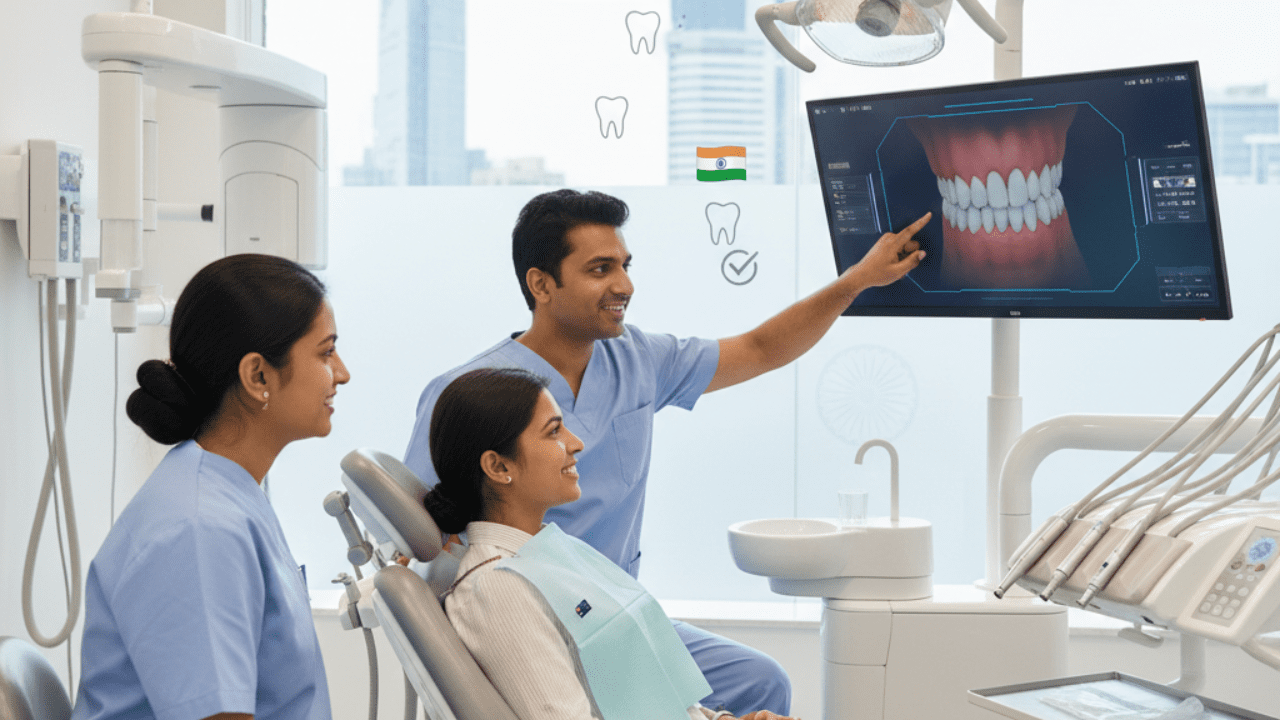
Rising dental costs have pushed more people to explore care overseas—especially for treatments like implants, veneers, crowns, and orthodontics. For many Australians, Mumbai has become a practical option because it combines experienced dental specialists, modern clinics, and treatment pricing that is often far lower than in Australia.
This guide explains how Dental tourism in Mumbai, works in 2026, what procedures are most commonly booked, how to plan your trip safely, and what to do for follow-up care once you’re back home.
Important note: This article is for general information. Always confirm clinic credentials, the dentist’s qualifications, infection-control standards, and whether your case is safe to travel for. For urgent symptoms (severe swelling, fever, uncontrolled pain), seek care immediately.
Why Choose Mumbai for Dental Tourism?
1) Cost savings without cutting corners
Many Australian patients consider Mumbai because the overall treatment cost can be significantly lower, particularly for complex work like implants or full smile restorations. Even after adding flights and accommodation, the total can still be attractive—especially if you’re combining treatment with a short trip.
2) Access to specialists and multi-discipline clinics
Mumbai has clinics that offer:
- General dentistry (cleaning, fillings, checkups)
- Cosmetic dentistry (veneers, whitening, smile design)
- Orthodontics (braces, aligners)
- Endodontics (root canals)
- Implantology and oral surgery
For Australians, the biggest advantage is often having multiple specialists under one roof—helpful when a treatment plan needs coordination.
3) Modern equipment and digital workflows
Many clinics in Mumbai use:
- Digital X-rays and 3D imaging (CBCT in some cases)
- CAD/CAM systems for crowns/bridges
- Digital smile design planning
- Advanced sterilization and hygiene protocols
The key is to verify what the clinic actually uses and how they handle sterilization, instrument tracking, and infection control.
Popular Dental Treatments Australians Get in Mumbai
Here are the most common procedures booked by travelers from Australia:
Dental implants
Often chosen for missing teeth, implant-supported crowns, or multi-tooth replacement plans. Implant cases may require multiple visits or a longer stay depending on the approach and healing time.
Veneers and cosmetic dentistry
Veneers, bonding, whitening, and “smile makeover” packages are popular because cosmetic work can be planned in advance with photos, scans, and a clear aesthetic goal.
Crowns and bridges
Crowns (often after large fillings or root canals) and bridges can usually be completed quickly when the clinic has a strong digital lab workflow.
Root canal + crown
A common travel case is saving a tooth with endodontic treatment and then protecting it with a crown.
Orthodontics (aligners/braces)
Some patients start treatment in Mumbai and continue follow-ups in Australia. If you do this, you’ll need a clear remote monitoring plan and local support for emergencies.
Planning Your Dental Trip to Mumbai (Step-by-Step)
Step 1: Shortlist clinics the right way
Look for:
- Dentist qualifications and years in practice
- Before/after galleries (real cases, not stock photos)
- Clear sterilization standards and infection-control process
- Transparent pricing and written treatment plans
- Reviews across multiple platforms (not just one source)
Green flag: clinics that are comfortable answering detailed questions and providing documentation.
Step 2: Get an online consultation first
Before you book flights, ask for:
- A preliminary assessment (based on your X-rays/photos)
- A written treatment plan with timeline options
- Total estimated costs (plus what could change)
- What happens if complications occur
If the clinic requests updated scans, it’s often a sign they’re planning carefully.
Step 3: Budget beyond the treatment fee
Include:
- Flights + accommodation + local transport
- Extra days (buffer) for swelling, adjustments, or delays
- Medications and post-procedure supplies
- Travel insurance (confirm it covers dental complications if possible)
Step 4: Plan your timeline realistically
Some treatments are fast. Others need healing time.
Often quick (days):
- Whitening
- Fillings
- Some crowns/veneers (depends on workflow)
May require more time / multiple visits:
- Implants (especially if grafting is needed)
- Complex cosmetic cases
- Orthodontic starts + remote continuation
Step 5: Aftercare plan before you fly home
Ask for:
- Written aftercare instructions
- Copies of X-rays/scans and procedure notes
- Warranty/guarantee terms (what’s covered and for how long)
- A follow-up schedule and remote contact method
- Guidance for what to do if pain/swelling occurs after returning to Australia
Safety Checklist (Don’t Skip This)
Before choosing a clinic, confirm:
- Sterilization method and instrument handling
- Single-use items (needles, suction tips, etc.)
- Emergency protocols (especially for sedation cases)
- Materials used for implants/crowns (brand and certification)
- Clear consent forms and post-op instructions
- A plan for managing complications
A trustworthy clinic will explain these clearly without avoiding details.
Conclusion
For many Australians, Mumbai can be a smart option for dental work in 2026—especially when cost, access to specialists, and modern clinic workflows align with a well-planned trip. The biggest factor is research and preparation: choose the right clinic, get a written treatment plan, budget with a safety buffer, and lock in a strong aftercare strategy for when you return home.



Keep Exploring Zingyzon.com
Read more Zingyzon SEO, digital marketing, online earning, business, and technology guides for Australia, USA, and global readers.