
Full-Body Workouts: An Excellent Routine to Reap Maximum Results (2026)
A lot of people assume full-body workouts are “too intense” for beginners. In reality, a well-designed full-body plan is often […]
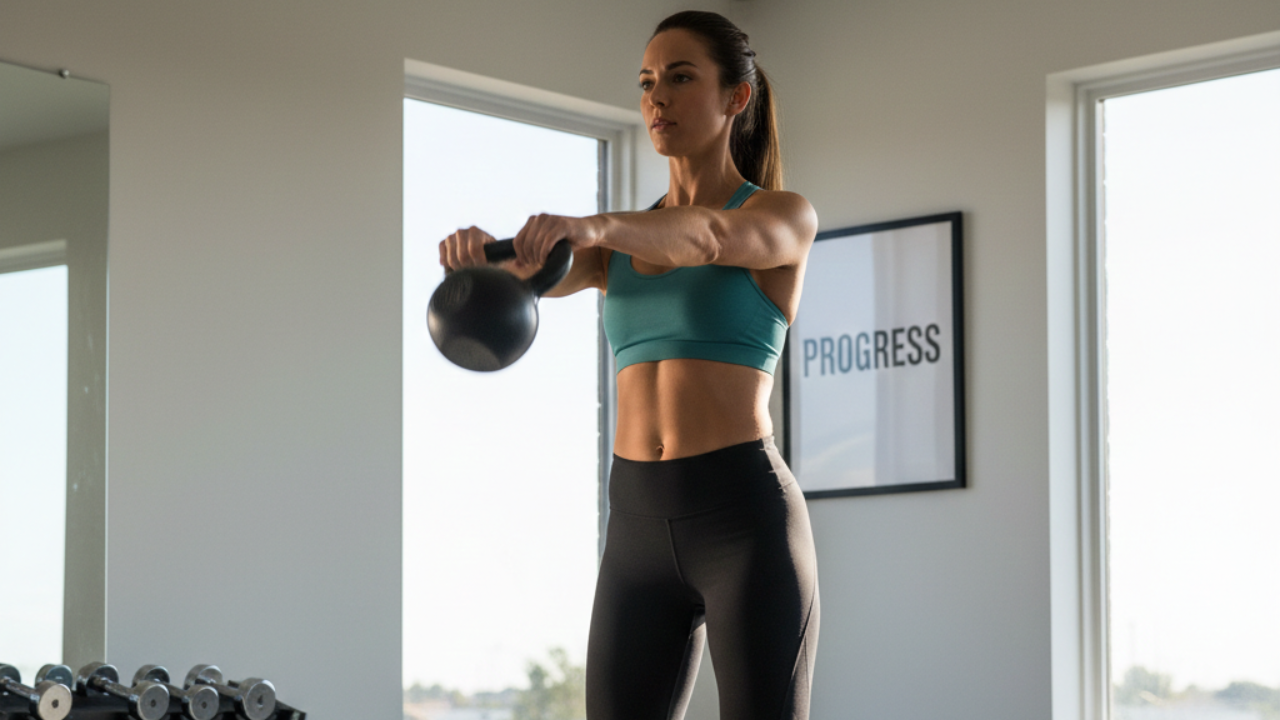
A lot of people assume full-body workouts are “too intense” for beginners. In reality, a well-designed full-body plan is often one of the best ways to start strength training—because it builds a strong base, reinforces good movement patterns, and fits into real life.
When done correctly, full-body training can help you:
- Build foundational strength
- Improve movement quality (how you squat, hinge, push, pull)
- Maximize efficiency (great if you can only train 2–4 days/week)
- Reduce the risk of overtraining one muscle group
The key is strategy. Instead of jumping in blindly, follow a plan—and if you can, get support from a fitness personal trainer who can tailor the routine to your body, goals, and injury history.
Table of Contents
- When Should You Start Full-Body Workouts?
- When Should You Switch to a Split Routine?
- A Full-Body Workout Routine for Maximum Results
- 8 Must-Have Full-Body Exercises
- Squats
- Deadlifts (Hinge Pattern)
- Push-Ups
- Pull-Ups (or Assisted Options)
- Burpees (Optional Conditioning)
- Lunges
- Plank-to-Row (Renegade Row)
- Medicine Ball Slams
- Conclusion
When Should You Start Full-Body Workouts?
In general, you can start full-body training in these situations:
If you’re new to strength training
Start with bodyweight movements first (squats, lunges, push-ups, planks). Learn clean technique before loading heavy.
If you’re returning after a break
Full-body sessions are a smart way to ramp back up—because you train everything without crushing one muscle group.
If you’ve trained before but lack structure
Full-body training helps rebuild consistency fast. It also makes it easier to track progress (reps, form, and performance).
If you have injuries, pain, or medical conditions, talk to a professional first (doctor/physio) and consider working with a fitness personal trainer for safer form and progression.
When Should You Switch to a Split Routine?
A split routine (training different muscle groups on different days) can make sense when:
- you’ve trained consistently for 3–6 months and want more volume per muscle group
- you’re hitting plateaus and need more targeted work
- your goal shifts toward muscle specialization (hypertrophy-focused training)
That said, many people get excellent results staying with full-body training long-term—especially if they’re busy and prefer 2–4 sessions per week.
A Full-Body Workout Routine for Maximum Results (Simple 2026 Structure)
Here’s a clean approach you can repeat weekly:
Frequency
- Beginner: 2–3 days/week
- Intermediate: 3–4 days/week
Session flow (easy to follow)
- Warm-up (5–8 minutes)
- 1–2 lower-body moves (squat + hinge)
- 1–2 upper-body pushes/pulls
- Core + optional conditioning finisher
- Cool down (2–5 minutes)
Progression rule: Add reps first, then add weight, then add sets—slowly.
8 Must-Have Full-Body Exercises
1) Squats
Squats build legs and core strength and improve everyday movement.
Works: quads, glutes, hamstrings, core
Beginner options: bodyweight squat, goblet squat
2) Deadlifts (Hinge Pattern)
Deadlifts strengthen your posterior chain (glutes, hamstrings, lower back). Form matters a lot.
Beginner-friendly variations:
- Romanian deadlift (hamstrings focus)
- kettlebell deadlift (great starting point)
- trap bar deadlift (if available and comfortable)
If you’re unsure, get coaching—this is where a fitness personal trainer can prevent bad habits and reduce injury risk.
3) Push-Ups
A classic upper-body push that builds strength and stability.
Works: chest, shoulders, triceps, core
Easier options: incline push-ups (hands on bench/counter)
4) Pull-Ups (or Assisted Variations)
Pull-ups develop strong back and biceps and balance out pushing movements.
Options based on level:
- assisted pull-ups (band or machine)
- chin-ups (more biceps)
- inverted rows (very beginner-friendly)
5) Burpees (Optional Conditioning)
Burpees add cardio + full-body intensity quickly. If you’re new, keep them controlled or swap them out.
Swap options: incline burpees, squat-to-reach, step-back burpees
6) Lunges
Lunges improve single-leg strength, balance, and hip stability.
Variations:
- reverse lunges (often easier on knees)
- walking lunges
- split squats
7) Plank-to-Row (Renegade Row)
Great for core + shoulder stability + upper-back strength.
Tip: Keep hips steady and go lighter than you think at first.
8) Medicine Ball Slams
A powerful, full-body finisher that builds athletic conditioning.
Works: core, shoulders, arms, legs
Variations: overhead slams, rotational slams (if appropriate)
Conclusion
Full-body workouts are one of the smartest ways to build strength, improve movement, and stay consistent—especially if you’re a beginner or short on time. Start with clean form, progress gradually, and don’t be afraid to get guidance from a fitness personal trainer.
And once you finish a great session, that post-workout feeling can be truly indescribable.



Keep Exploring Zingyzon.com
Read more Zingyzon SEO, digital marketing, online earning, business, and technology guides for Australia, USA, and global readers.