
Landscaping in Seattle: Essential Tips for Stunning Outdoor Spaces
Seattle is famous for green neighborhoods, tall evergreens, colorful gardens, and plenty of rain. At first glance, that might make […]
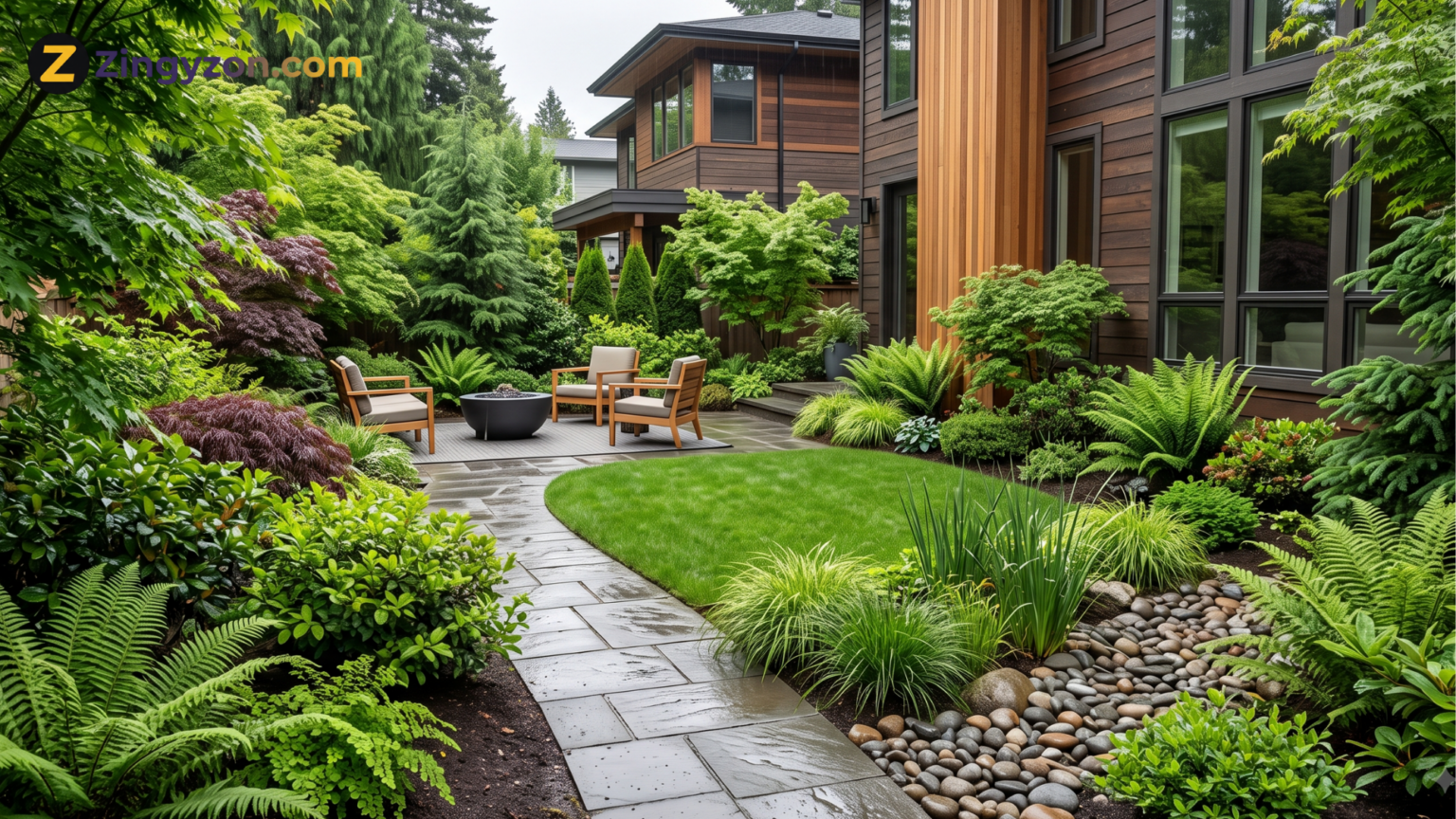
Seattle is famous for green neighborhoods, tall evergreens, colorful gardens, and plenty of rain. At first glance, that might make gardening seem easy. After all, if nature provides so much water, what could go wrong?
Quite a lot, actually.
Seattle yards deal with wet winters, dry summer stretches, shade from mature trees, sloped properties, drainage problems, compacted soil, moss, and plants that look beautiful at the nursery but struggle once they are planted in the wrong spot.
Good landscaping in Seattle is therefore less about filling every empty space with plants and more about understanding the property you already have. Where does rainwater collect? Which areas receive afternoon sun? Where does the soil remain damp? Which parts of the yard are shaded for most of the day?
Once those questions are answered, creating an attractive outdoor space becomes much easier.
Whether you are starting with a bare backyard or improving an older garden, the following tips can help you create a Seattle outdoor space that looks good, works with the local environment, and does not demand every free weekend to maintain.
1. Start by Understanding Your Yard
Before buying plants or ordering a load of decorative gravel, spend some time watching your yard.
Seriously.
Look at it after heavy rain. Look again on a sunny afternoon. Notice where water drains quickly and where puddles remain. Check which beds receive direct sunlight and which spend most of the day beneath trees or beside the house.
This simple step can save a surprising amount of money.
The City of Seattle recommends matching plants to the sun, soil, moisture, and water conditions available in a particular location rather than choosing plants based only on appearance.
A plant labeled “full sun” may never perform well in a deeply shaded Seattle backyard. Likewise, a plant that needs well-drained soil can struggle in a low area that remains saturated during the rainy season.
Sketching a basic plan can help. Mark areas as:
- Full sun
- Partial sun
- Deep shade
- Dry
- Regularly moist
- Poorly drained
- Sloped
- High-traffic
You do not need professional design software. Even a rough drawing on paper gives you a better starting point than buying plants first and trying to find somewhere to put them later.
2. Choose Plants That Actually Suit the Pacific Northwest
Seattle’s natural beauty gives homeowners a huge advantage: many attractive plants already thrive in Western Washington conditions.
Native and regionally adapted plants can be especially useful because they are better suited to local rainfall, soils, wildlife, and seasonal patterns when planted in the right conditions.
King County maintains a native plant guide covering more than 100 plants, along with options for sunny, shady, dry, and moist planting areas.
Depending on your property, plants worth considering may include sword fern, salal, Oregon grape, red flowering currant, evergreen huckleberry, vine maple, or other Pacific Northwest favorites.
Native does not automatically mean “plant it anywhere,” though. Washington State University points out that native plants have different moisture requirements just like non-native plants do.
That is why the old gardening rule still matters: right plant, right place.
When researching landscaping in Seattle, pay attention to mature plant size as well. A small shrub in a garden center pot may become much wider than expected after several years.
Planning for mature size keeps pathways usable and reduces the amount of constant pruning you will need later.
3. Take Drainage Seriously
Seattle’s rainy reputation is not just part of the city’s personality. It should influence how you design your yard.
Poor drainage can create muddy lawns, unhealthy roots, eroded slopes, and areas that remain difficult to use for months.
Start by figuring out where water naturally travels across the property.
If runoff repeatedly moves toward the house, collects beside a patio, or creates a soggy patch in the lawn, simply adding plants may not solve the underlying problem.
Depending on the property, solutions can include improving soil structure, redirecting runoff appropriately, creating better grading, using permeable surfaces, installing drainage features, or turning naturally wet areas into thoughtfully planted rain-garden-style spaces.
Rain gardens are designed to slow and manage stormwater through carefully selected soils and plantings. Seattle’s stormwater guidance recognizes bioretention and rain gardens as ways to manage runoff.
The important part is not to treat water as the enemy.
A smart Seattle garden works with rainfall rather than constantly fighting it.
4. Build Better Soil Before Spending Heavily on Plants
People get excited about plants because they can see them.
Soil is less exciting, but it often determines whether those expensive plants still look healthy two years later.
Healthy soil supports stronger roots, holds moisture more effectively, and allows water and air to move through the ground.
Seattle’s natural yard-care guidance recommends using compost and mulch as part of building healthier soil. For new planting beds, the city also provides guidance on incorporating compost where appropriate and mulching new plantings.
Before planting, remove aggressive weeds and inspect the condition of the soil.
If the ground is heavily compacted, plants may struggle even when everything above ground looks fine. Improving the planting area before installation is usually easier than trying to rescue struggling plants afterward.
After planting, a layer of mulch can help reduce weeds and slow moisture loss during drier weather.
Just avoid piling mulch directly against tree trunks and plant stems.
5. Plan for Dry Summers, Not Just Rainy Winters
One of the easiest mistakes newcomers make is assuming Seattle gardens never need watering.
Winter and spring can feel endlessly wet, but established weather patterns include much drier summer conditions. Newly planted trees, shrubs, and perennials can still need regular watering while their root systems develop.
Seattle Public Utilities recommends deep, less frequent watering rather than constant shallow watering because deeper watering encourages healthier root systems. It also recommends watering during cooler parts of the day and using mulch to reduce evaporation.
Drip irrigation and soaker hoses can work especially well in planting beds because they place water closer to plant roots rather than spraying sidewalks, fences, and open air.
Seattle Utilities notes that drip or soaker systems can use significantly less water than conventional sprinklers in beds.
Group plants with similar water needs together as well.
You do not want one thirsty plant forcing you to soak an entire bed filled with plants that prefer drier conditions.
6. Do Not Force a Lawn Into Every Part of the Yard
A green lawn can be useful.
Children can play on it. Dogs can run across it. It creates open space and gives the garden visual breathing room.
But that does not mean every Seattle property needs a huge lawn.
Grass often struggles beneath dense shade, on steep slopes, and in areas with poor drainage. In those situations, homeowners can end up spending years dealing with moss, bare patches, weeds, and repeated reseeding.
Seattle’s natural lawn-care guidance recommends considering alternatives in steep, shady, soggy, or otherwise difficult areas.
Instead of trying to keep grass alive everywhere, consider replacing difficult lawn sections with:
- Groundcovers
- Ferns
- Native shrubs
- Mulched planting beds
- Gravel or stone paths
- Seating areas
- Shade-tolerant plants
Keep lawn where it has a purpose.
That simple change can make a yard easier to maintain while also creating more visual interest.
7. Create Year-Round Structure
Seattle gardens can look spectacular in spring and early summer. The challenge is making them still feel intentional in November or January.
A strong design includes more than seasonal flowers.
Evergreen shrubs, small trees, grasses, ferns, attractive bark, and plants with interesting winter shapes provide structure when flowers disappear.
Think of your garden in layers.
Tall trees create the upper level. Smaller trees and large shrubs sit beneath them. Medium shrubs and perennials fill the middle. Groundcovers finish the lower level.
This layered approach creates depth and makes even a relatively small yard feel more complete.
Then add seasonal color instead of expecting flowers to carry the entire design.
Spring bulbs, summer perennials, fall foliage, berries, and evergreen winter structure can give you something interesting to look at throughout the year.
8. Make Outdoor Living Part of the Design
A stunning backyard should not just be something you see through a window.
You should actually want to spend time there.
When planning your yard, think about how your household uses outdoor space.
Would you use a small patio for morning coffee? Do you need a larger dining area? Is there a quiet corner that could hold two chairs and a fire pit? Do children need open space? Does the dog need a durable route through the garden?
These questions should shape the layout before decorative details are added.
Paths should lead somewhere useful. Seating should be placed where it feels comfortable. Outdoor lighting should help people move safely rather than simply lighting every plant.
In smaller Seattle yards, one well-designed seating area surrounded by greenery can often feel more inviting than trying to fit several unrelated features into the same space.
For more practical home, garden, and property improvement ideas, readers can explore zingyzon.com.
9. Use Hardscaping to Balance All That Green
Plants bring a yard to life, but patios, paths, edging, steps, walls, and other hard surfaces give the design structure.
In Seattle, material selection also needs to account for moisture.
Surfaces that become dangerously slippery when wet may not be ideal for frequently used paths or steps. Drainage should also be considered when installing patios and walkways.
Permeable materials can be useful in appropriate locations because they allow more water to move into the ground rather than immediately becoming surface runoff.
Visually, try to keep materials consistent.
Using five types of stone, three styles of edging, and several unrelated paving colors can make a small property feel busy.
Two or three complementary materials usually create a calmer result.
10. Design for Realistic Maintenance
Every beautiful garden needs maintenance.
The trick is designing one that needs the amount of maintenance you are actually willing to provide.
If you enjoy gardening every weekend, you may love flower beds filled with plants that require dividing, deadheading, pruning, and seasonal cleanup.
If you would rather enjoy the garden with a cup of coffee than spend Saturday morning working in it, choose differently.
Use larger masses of dependable plants. Reduce unnecessary lawn. Mulch beds. Choose shrubs that naturally fit their space instead of requiring constant trimming.
King County notes that properly placed, established native plants can require relatively little maintenance while also supporting local wildlife and helping manage runoff.
Good landscaping should become easier as it matures, not turn into a second job.
Common Seattle Landscaping Mistakes to Avoid
A few mistakes appear again and again.
Ignoring mature plant size: A cute three-foot shrub can eventually block a window or walkway.
Planting sun lovers in shade: More fertilizer will not replace missing sunlight.
Overwatering: Wet weather does not mean every plant wants permanently wet soil.
Underwatering new plants in summer: Even drought-tolerant plants usually need help while establishing roots.
Ignoring drainage: Persistent standing water deserves investigation rather than another layer of mulch.
Making everything lawn: Difficult slopes and shady corners often perform better with other planting choices.
Buying plants without a plan: A collection of attractive plants does not automatically create an attractive garden.
Avoiding these basics can save years of frustration.
Frequently Asked Questions
What type of landscaping works best in Seattle?
The best design depends on the individual property’s sunlight, drainage, soil, slope, and intended use. In general, site-appropriate Pacific Northwest plants, healthy soil, efficient irrigation, good drainage, and a mix of evergreen and seasonal plants work well.
Are native plants good for Seattle yards?
Yes, when matched to the correct site conditions. Native plants can support local wildlife and, once established in suitable locations, may need less irrigation and maintenance than poorly adapted alternatives.
When should you plant in Seattle?
Fall and spring are commonly useful planting periods because cooler temperatures can reduce stress while roots establish. Seattle’s professional natural-yard guidance specifically recommends fall or spring planting as a way to reduce establishment stress.
How can I make my Seattle yard lower maintenance?
Reduce unnecessary lawn, select plants that match existing conditions, group plants by water needs, use mulch, improve soil before planting, and avoid plants that will outgrow their available space.
Does a Seattle garden need irrigation?
Many established, site-appropriate plants may need relatively little supplemental summer water, but new plantings generally require watering during establishment. Watering needs depend on soil, sun, plant type, and weather conditions.
Final Thoughts
Creating a beautiful Seattle yard is not about copying a picture from a gardening magazine.
The best outdoor spaces feel as though they belong where they were planted.
They handle rain without turning into mud. They survive summer without demanding constant watering. They provide greenery through winter and color when the seasons change. Paths make sense, plants have enough room to grow, and there is somewhere comfortable to sit and enjoy everything.
Start with the conditions already present in your yard. Improve the soil. Solve drainage problems early. Choose plants for the places where they will actually live, not just for how they look in a garden center.
When those basics are right, the decorative part becomes much easier.
Good landscaping in Seattle should not constantly fight the Pacific Northwest climate. It should use that climate to create an outdoor space that becomes healthier, more useful, and more attractive as the years pass.
Keep Exploring Zingyzon.com
Read more Zingyzon SEO, digital marketing, online earning, business, and technology guides for Australia, USA, and global readers.