
Bracelet Styling Ideas for Workdays and Weekends: Effortless Chic Looks
Bracelets may be small accessories, but they can change the mood of an outfit. A slim bangle can make office […]
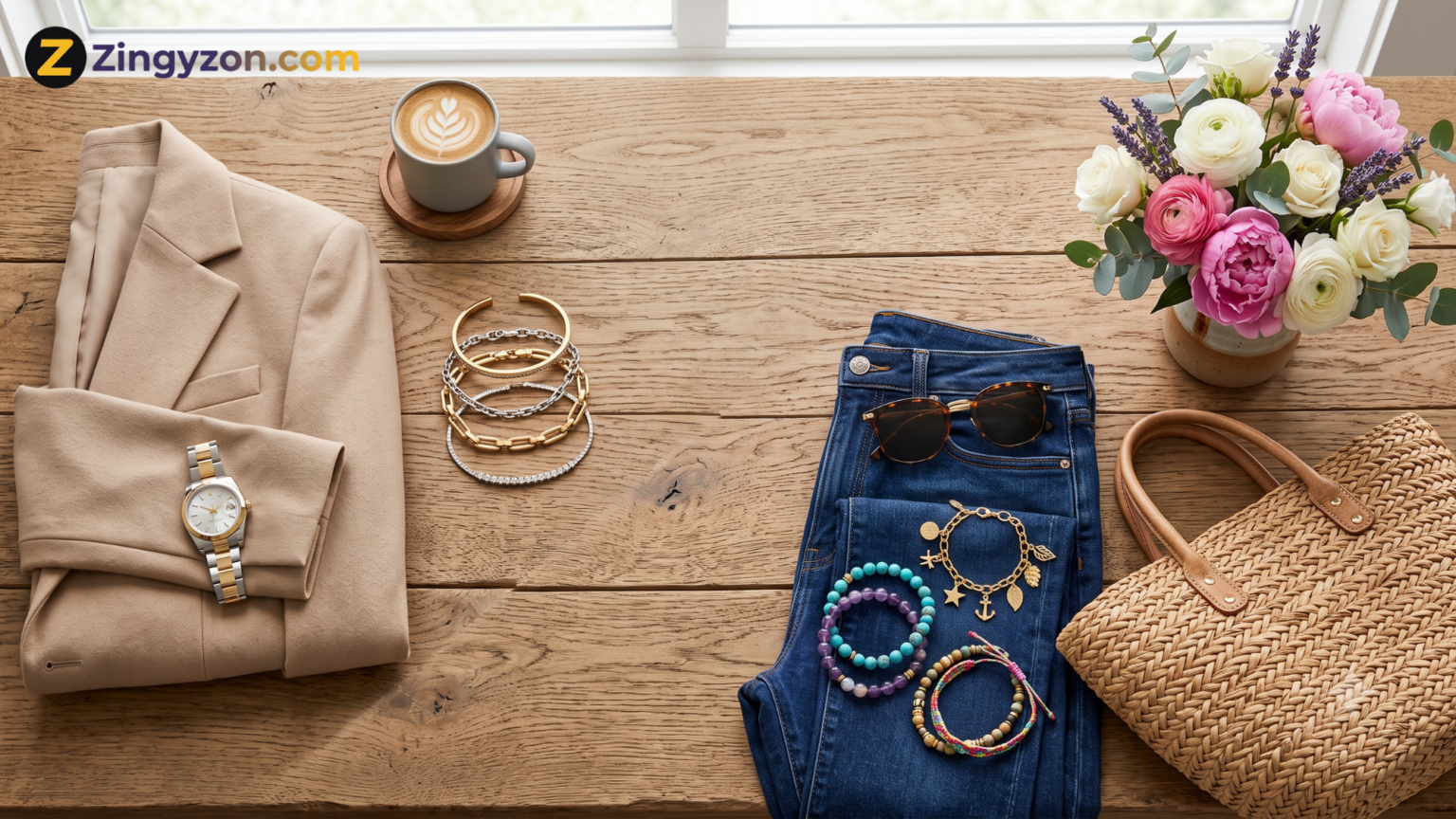
Bracelets may be small accessories, but they can change the mood of an outfit. A slim bangle can make office tailoring feel polished, while a colourful stack can bring personality to a relaxed weekend look. You do not need a large jewellery collection to create variety. With a few versatile pieces and a thoughtful approach to layering, you can build bracelet combinations that work from Monday meetings to Sunday brunch.
This guide shares practical bracelet styling ideas for professional workdays, casual weekends, evening plans, and everything in between. You will also learn how to mix metals, balance proportions, coordinate bracelets with watches, choose comfortable fits, and care for your favourite pieces.
Why Bracelets Work for Everyday Style
Bracelets sit between subtle and expressive. Unlike a necklace, which often becomes the centre of an outfit, a bracelet adds detail without dominating your look. It appears naturally when you type, hold a coffee cup, carry a handbag, or roll up your sleeves.
A single refined piece can make a white shirt feel intentional. Two or three coordinated bracelets can add dimension to jeans and a T-shirt. A sparkling design can also help a daytime outfit transition into dinner without requiring a complete change.
The key is to match the bracelet’s scale, material, and movement to the setting. Workday jewellery usually benefits from clean lines and quieter details, while weekends allow more freedom with colour, texture, charms, and layered stacks.
Bracelet Styling Ideas for Workdays
Professional bracelet styling is not about avoiding personality. It is about creating balance. Your jewellery should complement your outfit, feel comfortable during daily tasks, and avoid becoming distracting.
1. Choose One Refined Statement
A single bracelet can be enough to finish a work outfit. Try a slim gold bangle, delicate chain bracelet, minimal cuff, or fine diamond line bracelet. These styles look polished with blazers, button-down shirts, knitted tops, and structured dresses.
Keep the rest of your jewellery simple. Small earrings and a fine necklace will support the bracelet rather than compete with it. This approach works particularly well for presentations, interviews, or client meetings.
2. Pair a Bracelet with Your Watch
A watch-and-bracelet combination is one of the easiest ways to create a styled wrist. Start with one slim bracelet that shares a visual element with the watch, such as the same metal tone, finish, or colour.
Wear both on the same wrist for a modern layered effect, or place them on opposite wrists for balance. If your watch has a large face or wide strap, choose a delicate bracelet. If the watch is minimal, add a slightly bolder chain or bangle. Avoid stacking sharp-edged pieces directly against a polished watch case.
3. Keep Office Stacks Controlled
Bracelet stacking can work at the office when the combination is edited. Two or three slim pieces are usually enough. Pair a plain bangle with a fine chain and one small stone-set bracelet.
Keep the stack visually connected by repeating one feature, such as a shared metal, similar width, or consistent design style. A useful formula is one simple base bracelet, one textured design, and one delicate accent piece.
4. Coordinate Bracelets with Sleeve Length
With long fitted sleeves, choose a slim bracelet that sits close to the wrist. Wide cuffs and oversized bangles can catch on fabric or disappear under the sleeve.
Three-quarter sleeves naturally frame the wrist, making them ideal for a refined stack or a bracelet with extra sparkle. With short sleeves or sleeveless workwear, a medium-width cuff can add structure without making the outfit feel heavy.
5. Match Your Workplace
A creative office may welcome mixed metals, sculptural cuffs, and coloured stones, while a traditional environment may call for restrained designs. Use the formality of your clothes as a guide.
A navy suit pairs well with silver, white gold, or a fine diamond bracelet. Warm neutrals such as camel, cream, olive, and chocolate look elegant with yellow or rose gold. In business-casual settings, leather or beaded accents can work when kept neat.
Bracelet Styling Ideas for Weekends
Weekend style gives you room to experiment. You can add colour, combine materials, wear meaningful charms, or build a fuller stack.
1. Build a Mixed-Texture Stack
Combine different textures to make a casual outfit more interesting. A fine chain, smooth bangle, beaded bracelet, and soft cord design can work together when they share a related colour palette.
For example, pair warm gold with cream beads, tan leather, and a pearl accent. For a cooler look, combine silver with grey, black, navy, or pale blue details. Let one piece be the focal point and keep the others supportive.
2. Add Colour to Neutral Outfits
If your weekend wardrobe is built around white, black, beige, or denim, bracelets are an easy place to introduce colour. Choose gemstone shades, enamel bangles, glass beads, woven cords, or charm details that connect with your shoes, bag, scarf, or nail colour.
You do not need a perfect match. Repeating a colour family is enough. A green bracelet can complement olive trousers, while pink or burgundy can add warmth to a cream outfit.
3. Make a Diamond Bracelet Feel Casual
Sparkling jewellery is not limited to formal events. A diamond bracelet can look relaxed with a crisp white T-shirt, straight-leg jeans, loafers, or a soft knit set. The contrast between refined jewellery and casual clothing creates an effortless high-low look.
When exploring a diamond bracelet Singapore, consider a style with a secure clasp, smooth setting, and comfortable flexibility so it can fit naturally into weekday and weekend wardrobes.
4. Style for Brunch, Shopping, and Day Trips
For brunch, try a delicate layered stack with one charm or pearl detail. For shopping or day trips, choose lightweight bracelets that will not interfere with carrying bags or using your phone. Adjustable chains, smooth bangles, and soft cord styles are practical options.
With a printed dress or patterned top, use bracelets that repeat one colour from the print instead of introducing several new shades.
5. Create an Evening Stack
For dinner or a special event, increase the shine and scale. Pair a tennis-style bracelet with a polished bangle, or combine two metal bracelets with one sparkling centrepiece. If your outfit already has sequins, metallic fabric, or heavy embellishment, reduce the stack to one elegant bracelet.
How to Mix Metals
Mixing gold, silver, and rose gold can make a bracelet stack feel modern. Choose one dominant metal and use another as an accent. For example, wear two gold bracelets with one slim silver chain.
A mixed-metal watch can act as a bridge between different pieces. You can also repeat the secondary metal through earrings, rings, a belt buckle, or handbag hardware. Keeping the finishes similar, such as polished with polished, helps the mix feel intentional.
How Many Bracelets Should You Wear?
There is no fixed rule, but proportion matters. For workdays, one to three pieces usually create a clean result. For weekends, three to five lightweight bracelets can work if the stack remains comfortable and balanced.
Consider your wrist size and clothing volume. A petite wrist may be overwhelmed by several wide cuffs, while a loose sleeve may need a more substantial bracelet to remain visible. Focus on the total width of the stack rather than the number of pieces.
Choosing Bracelets for Comfort
A stylish bracelet should be easy to live with. Check that the clasp closes securely and that the bracelet does not slide over your hand. It should move slightly without travelling too far up the arm.
For computer-heavy work, smooth and flexible styles are often more comfortable than rigid, oversized pieces. Avoid sharp charms or settings that can catch on knitwear or delicate fabrics.
When you plan to buy lab diamonds for a bracelet or another everyday piece, look beyond appearance. Review the length, clasp design, setting profile, care instructions, and return or resizing options before deciding.
Bracelet Styling Mistakes to Avoid
The most common mistake is wearing too many competing statement pieces. A bold cuff, oversized watch, large rings, and dramatic sleeves can fight for attention. Choose one main feature and simplify the rest.
Also consider movement and sound. Several loose metal bangles may look attractive but become distracting during typing, meetings, or dining. Test your stack by moving your wrist naturally before leaving home.
Finally, do not force every bracelet to match exactly. A set looks more personal when the pieces coordinate rather than duplicate one another. Shared metal tones, repeating shapes, or related colours create unity.
Caring for Your Bracelets
Remove bracelets before swimming, showering, exercising, or using strong cleaning products. Apply perfume, lotion, sunscreen, and hair products before putting on jewellery.
Store bracelets separately in soft pouches or lined compartments so chains do not tangle and hard surfaces do not scratch one another. Fasten delicate chains before storage to reduce knots.
Wipe frequently worn bracelets with a soft, dry cloth after use. For stone-set or fine jewellery, follow the seller’s cleaning guidance and inspect clasps, links, and settings occasionally.
For more practical lifestyle and styling content, readers can explore Zingyzon for useful guides across everyday topics.
A Simple Workday-to-Weekend Bracelet Capsule
You do not need dozens of pieces to create multiple looks. A useful bracelet capsule can include:
- One slim polished bangle
- One delicate chain bracelet
- One sparkling or stone-set bracelet
- One textured or link bracelet
- One colourful, beaded, or charm design
For weekdays, wear the bangle alone, pair the chain with your watch, or combine the bangle and sparkling bracelet. On weekends, add the textured and colourful pieces for a more expressive stack.
Choosing bracelets that can be worn alone as well as layered gives you the greatest flexibility. Neutral metals create the foundation, while one or two distinctive pieces bring personality.
Final Thoughts
The best bracelet styling ideas are not based on strict fashion rules. They come from understanding your routine, clothing, comfort, and personal taste. Workday looks usually benefit from slim profiles, controlled layering, and quiet polish. Weekend looks can be more colourful, textured, and expressive.
Start with one bracelet that feels natural, then add a second piece with a different texture or level of shine. Pay attention to proportion, sleeve length, and practicality. With a few versatile designs, you can create effortless chic looks for meetings, errands, brunches, dinners, and relaxed days.
Frequently Asked Questions
What Bracelets Are Best for Office Wear?
Slim bangles, delicate chains, minimal cuffs, and fine stone-set bracelets are easy to style for the office. Choose comfortable pieces that do not make excessive noise or interfere with typing.
Can I Wear a Bracelet and Watch on the Same Wrist?
Yes. Pair a larger watch with a slim bracelet, and keep some separation between the pieces to reduce rubbing. Matching the metal tone or finish helps the combination look intentional.
How Do I Stack Bracelets Without Overdoing It?
Begin with two or three pieces in different textures but related colours or metals. Use one bracelet as the focal point and keep the others simpler.
Can Diamond Bracelets Be Worn Casually?
Yes. Style a diamond bracelet with denim, T-shirts, knitwear, or relaxed tailoring. Keeping the rest of the jewellery understated makes the bracelet feel elegant rather than overly formal.
Should All Bracelets in a Stack Match?
No. They should coordinate rather than match exactly. Repeat one or two elements, such as metal colour, shape, texture, or accent colour, to create a cohesive stack.



Keep Exploring Zingyzon.com
Read more Zingyzon SEO, digital marketing, online earning, business, and technology guides for Australia, USA, and global readers.