
Smart Ways to Take Care of Your Clothes at Home
Taking care of your clothes at home is one of the simplest ways to save money, reduce waste, and keep […]
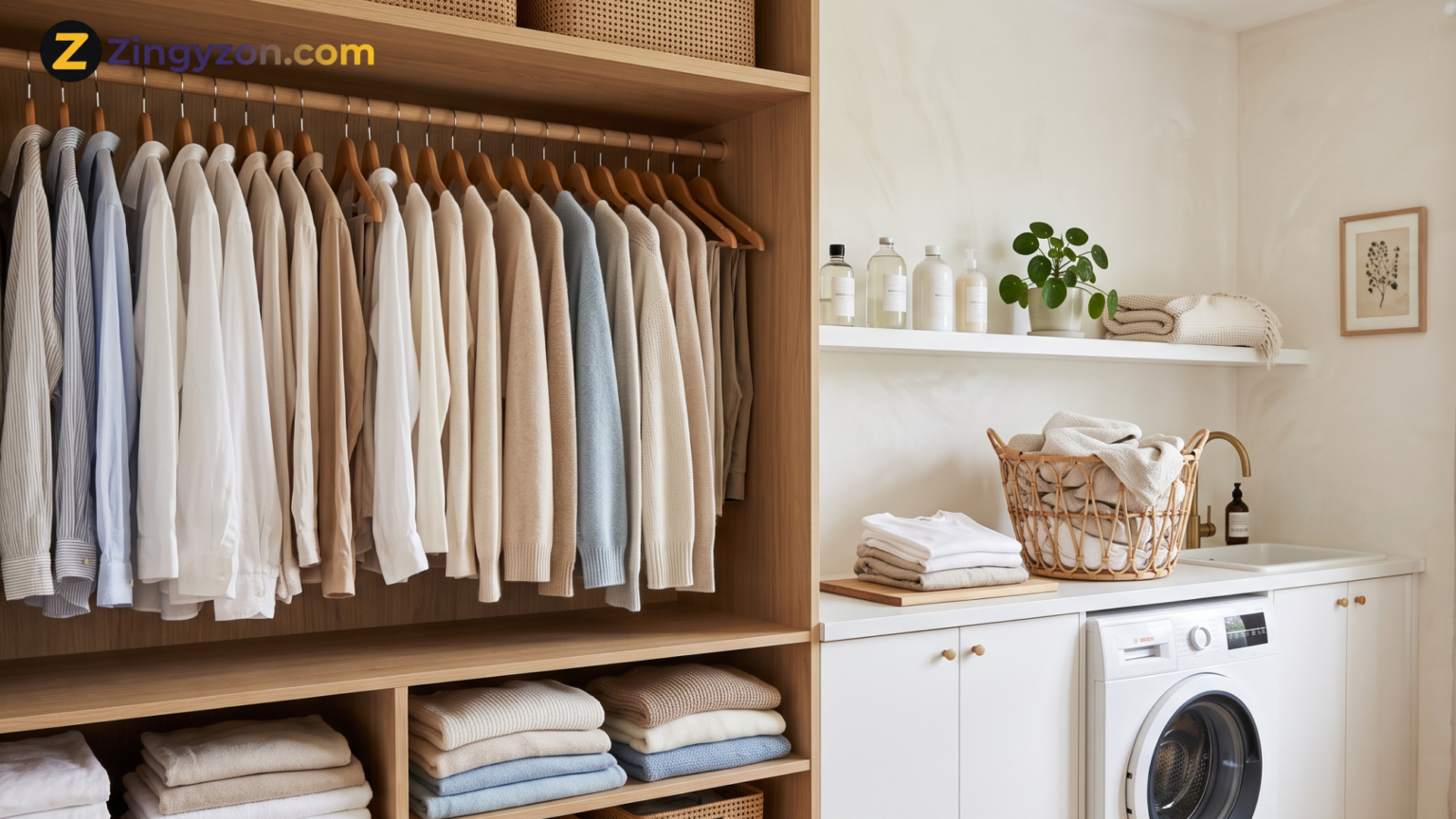
Taking care of your clothes at home is one of the simplest ways to save money, reduce waste, and keep your wardrobe looking fresh for years. Many people buy good-quality clothes but do not follow the right cleaning, drying, folding, or storage habits. As a result, shirts lose shape, colors fade, sweaters stretch, white clothes turn dull, and delicate fabrics wear out faster than expected.
The truth is that clothing care does not have to be difficult. With a few smart habits, you can protect your favorite outfits, keep your closet organized, and make daily dressing easier. Whether you wear formal clothes for work, casual outfits at home, gym wear, denim, cotton basics, or delicate pieces, the way you wash, dry, store, and maintain them makes a big difference.
This guide explains smart and practical ways to take care of your clothes at home so your wardrobe stays clean, fresh, organized, and long-lasting.
1. Read Clothing Care Labels Before Washing
One of the easiest but most ignored clothing care habits is reading the care label. Every garment comes with washing and drying instructions. These labels tell you whether an item should be machine washed, hand washed, dry cleaned, washed in cold water, or kept away from high heat.
Many clothes get damaged because people treat every fabric the same way. For example, cotton may handle regular washing well, but wool, silk, linen, and rayon need more care. Some clothes shrink in hot water, while others lose color when washed with harsh detergents.
Before washing a new item, take a few seconds to check the label. This small step can help prevent shrinking, fading, stretching, and fabric damage. If you are unsure about a symbol, search for its meaning or choose the gentlest washing method.
2. Sort Laundry the Right Way
Sorting laundry is more than separating whites and darks. A smart laundry routine includes sorting by color, fabric type, dirt level, and washing temperature. This helps protect your clothes and gives better cleaning results.
Separate white clothes from colored clothes to avoid color transfer. Wash dark colors together to prevent fading. Keep heavy items like jeans, towels, and hoodies away from delicate fabrics because rough materials can cause friction and damage softer clothes.
You should also separate heavily soiled clothes from lightly worn items. Gym wear, muddy clothes, and kitchen towels should not be washed with delicate shirts or office wear. Sorting may take a few extra minutes, but it helps your clothes last longer and look better.
3. Use the Right Amount of Detergent
Many people think more detergent means cleaner clothes, but that is not true. Too much detergent can leave residue on fabrics, make clothes feel stiff, irritate sensitive skin, and even create buildup inside the washing machine.
Use the recommended amount listed on the detergent packaging. If your clothes are only lightly worn, you may need less detergent. For heavily soiled clothes, use a proper wash cycle instead of simply adding more soap.
Choosing the right detergent also matters. Mild detergents are better for delicate fabrics and everyday clothing. If you have sensitive skin, consider fragrance-free options. For dark clothes, a detergent made for colors can help reduce fading.
4. Wash Clothes in Cold Water When Possible
Cold water is gentler on most fabrics and helps preserve color. It also reduces the risk of shrinking and uses less energy compared to hot water. For everyday clothes like T-shirts, jeans, undergarments, casual wear, and lightly worn items, cold water is usually enough.
Hot water can be useful for towels, bedding, and very dirty items, but it may damage certain fabrics. Dark clothes, bright colors, delicate materials, and clothes with prints should usually be washed in cold or cool water.
Making cold water your default washing choice is a simple way to take care of your clothes at home while also saving energy.
5. Turn Clothes Inside Out Before Washing
Turning clothes inside out before washing is a smart habit that protects the outer surface of the fabric. This is especially useful for jeans, printed T-shirts, embroidered clothes, dark garments, and activewear.
When clothes rub against each other inside the washing machine, friction can cause fading, pilling, and surface wear. Turning garments inside out reduces direct friction on the visible side. It also helps protect buttons, prints, and decorative details.
This small step takes only a few seconds but can make your clothes look newer for longer.
6. Do Not Overload the Washing Machine
Overloading the washing machine may seem like a time-saving trick, but it can harm your clothes and reduce cleaning quality. When the machine is too full, clothes cannot move freely. This means detergent and water may not reach every item properly.
Overloading can also increase friction, causing fabrics to stretch, wrinkle, or wear out faster. Heavy loads put extra stress on the washing machine as well.
For better results, leave enough space in the drum so clothes can move around. A balanced load cleans better, rinses better, and protects fabric quality.
7. Treat Stains Quickly
Stains become harder to remove the longer they sit. Whether it is coffee, oil, makeup, sweat, grass, or food, quick action gives you the best chance of removing the stain completely.
Start by blotting the stain gently. Do not rub harshly because rubbing can push the stain deeper into the fibers. Use cold water for most stains, especially protein-based stains like blood or sweat. For oil stains, apply a small amount of dish soap or stain remover before washing.
Always test stain removers on a hidden area first, especially on delicate or colored fabrics. Also, avoid putting stained clothes in the dryer until the stain is gone. Heat can set the stain permanently.
8. Air Dry Clothes Whenever You Can
Dryers are convenient, but high heat can shrink clothes, weaken fibers, fade colors, and damage elastic. Air drying is one of the best ways to extend the life of your clothing.
Hang shirts, dresses, pants, and activewear on a drying rack or clothesline. Lay sweaters flat to dry so they do not stretch. Keep bright and dark clothes away from direct sunlight for long periods because sunlight can fade colors.
If you use a dryer, choose a low-heat setting and remove clothes while they are slightly damp to reduce wrinkles and heat damage. Air drying may take more time, but it is gentler and better for long-term clothing care.
9. Fold and Hang Clothes Properly
How you store clothes matters just as much as how you wash them. Some clothes should be folded, while others should be hung.
Fold sweaters, knitwear, heavy hoodies, and stretchy fabrics because hanging can cause them to lose shape. Hang button-down shirts, blazers, dresses, trousers, and lightweight jackets to prevent wrinkles. Use good-quality hangers that support the shape of your clothes.
Avoid wire hangers for delicate or structured items because they can leave marks or distort the shoulders. Wooden or padded hangers are better for heavier and more formal clothes.
A well-organized closet makes it easier to find what you need and helps prevent unnecessary wrinkles and fabric damage.
10. Keep Your Closet Clean and Organized
A clean closet helps protect your clothes from dust, odors, pests, and moisture. If clothes are packed too tightly, they may wrinkle, lose shape, or trap humidity. Good airflow is important, especially in closets where seasonal clothes are stored for months.
Start by removing clothes you no longer wear. Then organize your wardrobe by category, such as shirts, pants, dresses, jackets, and seasonal items. You can also sort by color or frequency of use.
If your closet is too crowded or difficult to manage, consider upgrading your storage setup. Well-designed storage can make clothing care easier and more efficient. For homeowners who want a more polished and practical wardrobe space, High-quality closet systems in Salt Lake City can help create a cleaner, more organized, and more functional closet environment.
11. Protect Clothes from Moisture and Odors
Moisture is one of the biggest enemies of clothing. Damp closets can lead to musty smells, mildew, and fabric damage. Always make sure clothes are completely dry before storing them.
Use moisture absorbers, closet dehumidifiers, or breathable storage bags if your home has humidity issues. Avoid storing clothes in plastic bags for long periods because plastic can trap moisture. Cotton garment bags are better for suits, coats, and delicate pieces.
To keep clothes smelling fresh, place natural odor absorbers in your closet, such as cedar blocks or baking soda. Avoid spraying strong fragrances directly on clothing because they may stain or irritate the skin.
12. Store Seasonal Clothes Carefully
Seasonal clothing should be cleaned before storage. Never store dirty clothes, even if they look clean. Sweat, body oils, perfume, and food particles can attract pests and cause stains to appear over time.
Wash or dry clean seasonal items before packing them away. Fold them neatly and store them in breathable containers. Keep heavy items at the bottom and delicate pieces on top. Label storage bins so you can easily find items when the season changes.
For winter coats, wool sweaters, and special occasion clothes, use garment bags or sealed storage boxes in a cool, dry place. Good storage habits help clothes stay fresh and ready to wear.
13. Prevent Pilling on Fabrics
Pilling happens when small fiber balls form on the surface of fabric. It is common on sweaters, cotton blends, activewear, and synthetic fabrics. While some pilling is normal, you can reduce it with better care.
Wash delicate fabrics inside out and use a gentle cycle. Avoid washing soft fabrics with rough items like jeans or towels. Air dry when possible because dryer friction can make pilling worse.
If pills appear, use a fabric shaver or sweater comb carefully. Do not pull pills by hand because that can damage the fabric and make the problem worse.
14. Take Care of Denim Properly
Denim is durable, but it still needs proper care. Washing jeans too often can cause fading and fabric wear. Unless they are dirty or sweaty, jeans can usually be worn several times before washing.
Wash denim inside out in cold water and avoid high heat drying. Air drying helps maintain shape and color. If jeans feel stiff after drying, wear them for a short time and they will soften naturally.
Dark denim should be washed separately, especially when new, because dye can bleed onto lighter clothes.
15. Care for Delicate Clothes Separately
Delicate fabrics such as silk, lace, chiffon, cashmere, and fine knits need extra attention. Wash them by hand or use a gentle cycle with a mesh laundry bag. Always use mild detergent and cold water.
Do not twist or wring delicate clothes. Instead, press out excess water gently with a clean towel. Lay flat or hang carefully depending on the fabric.
If an item is expensive, sentimental, or difficult to replace, professional cleaning may be the safest option.
16. Maintain Your Washing Machine
Clean clothes start with a clean washing machine. Over time, detergent residue, fabric softener, dirt, and moisture can build up inside the machine. This can cause bad smells and reduce washing performance.
Run a cleaning cycle regularly, wipe the door seal, clean the detergent drawer, and leave the door open after washing so the drum can dry. Also, check the lint filter or drain filter if your machine has one.
A clean washing machine helps keep your clothes fresh and prevents odor transfer.
17. Build a Simple Clothing Care Routine
The best way to take care of your clothes at home is to create a routine that is easy to follow. You do not need complicated systems. Focus on small habits that you can repeat consistently.
Sort laundry before washing. Use cold water for most loads. Treat stains immediately. Air dry delicate items. Fold and hang clothes correctly. Clean your closet regularly. Store seasonal pieces with care.
These habits may seem simple, but together they can protect your wardrobe and make your clothes last much longer.
For more practical home care, lifestyle, and organization tips, visit zingyzon.com.
Final Thoughts
Taking care of your clothes at home is not only about keeping them clean. It is about protecting your investment, reducing waste, saving money, and making your daily life easier. When your clothes are washed properly, dried gently, folded neatly, and stored in an organized space, they look better and last longer.
Small changes can make a big difference. Reading care labels, using the right detergent, avoiding high heat, treating stains quickly, and organizing your closet can completely improve the way your wardrobe looks and feels.
Your clothes work hard for you every day. With a little care and attention, you can keep them fresh, comfortable, and stylish for years.


Keep Exploring Zingyzon.com
Read more Zingyzon SEO, digital marketing, online earning, business, and technology guides for Australia, USA, and global readers.