
Cleaning and Organization Tips for a Fresh, Tidy Home
A clean home is not only about shiny floors or spotless counters. A clean home also depends on smart organization, […]
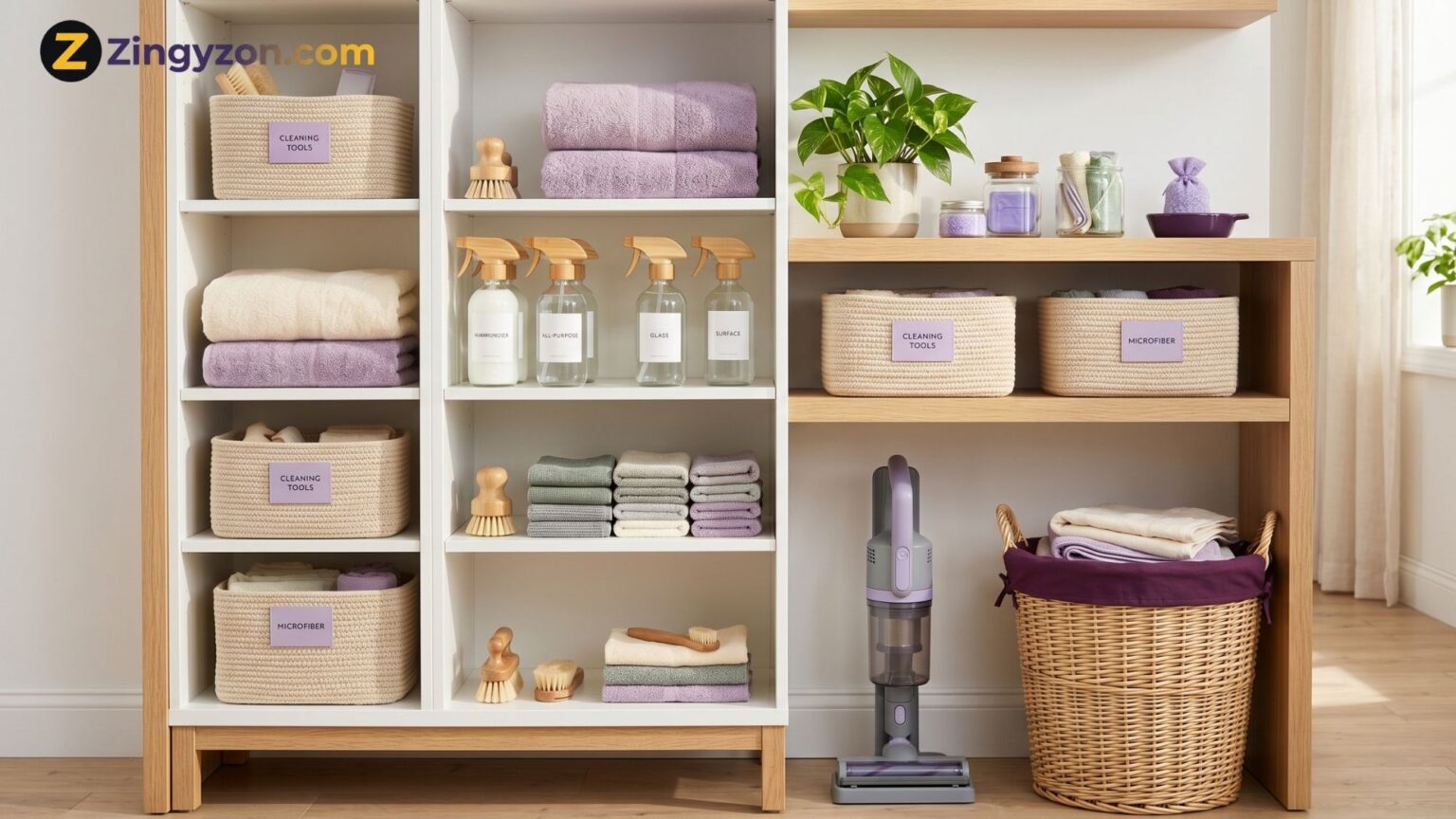
A clean home is not only about shiny floors or spotless counters. A clean home also depends on smart organization, easy routines, and storage systems that make daily life feel lighter. When cleaning and organization work together, every room becomes easier to maintain because clutter does not keep returning to the same places.
These cleaning and organization tips for home spaces are designed for real daily living. The goal is not to create a perfect showroom. The goal is to create a home that looks fresh, feels calm, and stays manageable even when life gets busy. Small systems can make a big difference when they are easy to repeat.
Start With a Simple Reset Plan
A full home clean can feel stressful when every room needs attention at the same time. A simple reset plan makes the work easier because it separates cleaning into small zones. You can start with visible surfaces, then move to floors, storage areas, and high-touch spots. This order helps the home look better quickly while still supporting deeper cleaning over time.
Begin by choosing one room as the main reset space. Many homes benefit from starting in the living room, kitchen, or entryway because these areas collect the most daily clutter. Put away items that belong somewhere else, throw away trash, and place laundry or dishes in the right area before you start detailed cleaning. This first step clears visual clutter and makes the rest of the job faster.
For more home-friendly lifestyle ideas, explore Zingyzon smart lifestyle upgrades because small daily upgrades can support cleaner, more organized rooms without adding complicated routines.
Use the Clean-First Rule Before Disinfecting
Cleaning and disinfecting are connected, but they are not the same thing. Cleaning removes dirt, crumbs, dust, and many germs from surfaces. Disinfecting uses a product designed to kill germs after the surface has already been cleaned. This difference matters because dirt and residue can reduce how well disinfecting products work.
For everyday home care, focus on regular cleaning first. Wipe counters, tables, handles, sinks, and frequently touched surfaces with an appropriate cleaner. Disinfect when someone at home is sick, when a surface has been exposed to raw food mess, or when extra germ control is needed. Always follow product label instructions, use proper ventilation, and avoid mixing cleaning products.
Build Storage Around Daily Habits
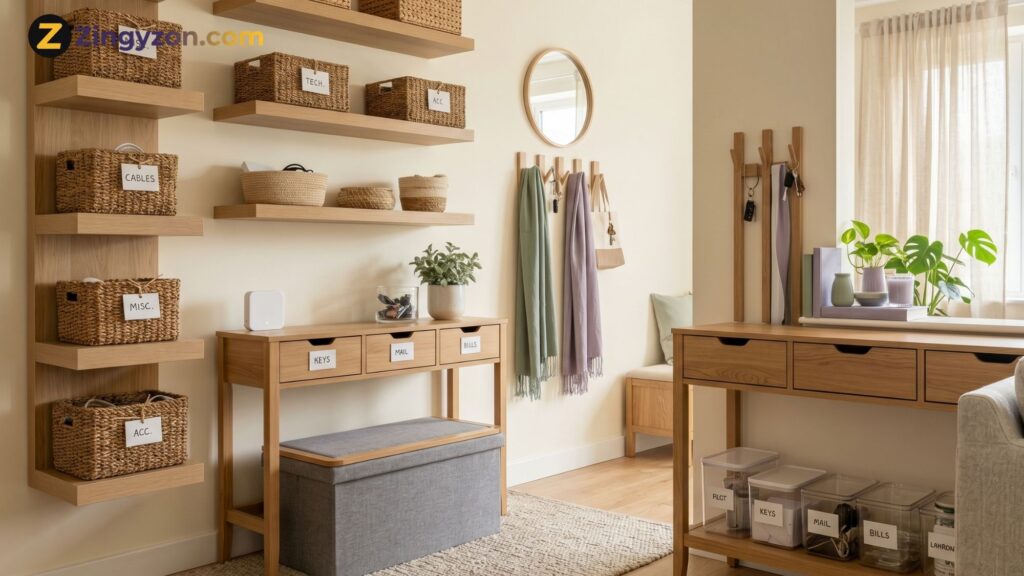
Organization works best when storage follows the way your household actually lives. If shoes collect near the door, place a shoe rack or basket near the entry. If toys move into the living room every evening, add a low basket or storage ottoman. If mail piles up on the counter, create a small sorting tray for bills, papers, and items that need action.
The best home organization ideas are usually simple. Clear bins help you see what you own. Labels help every family member return items to the right place. Drawer dividers stop small items from mixing together. Baskets can hide visual clutter while still keeping essentials easy to reach. The system should be easy enough to use on a busy day.
Create a Room-by-Room Cleaning Flow
Kitchen: Clear dishes first, wipe counters, clean the sink, sweep crumbs, and check pantry items that are expired or duplicated.
Living Room: Return remote controls, blankets, books, and decor items to their places before dusting and vacuuming.
Bedroom: Make the bed, place laundry in the hamper, clear nightstands, and organize closet zones by daily use.
Bathroom: Wipe sinks, mirrors, counters, faucets, and handles, then organize toiletries into daily-use and backup groups.
Entryway: Use hooks, baskets, shoe storage, and a small tray so bags, keys, and shoes do not spread into the home.
Declutter Before Buying More Organizers
Many people buy storage bins before they remove extra items. This usually hides clutter instead of solving it. Before buying organizers, sort each area into keep, donate, recycle, trash, and relocate groups. This step shows what you truly need to store and prevents cabinets from filling with items you no longer use.
A practical decluttering rule is to focus on one category at a time. Start with cleaning supplies, pantry goods, bathroom products, papers, clothing, or cables. Remove expired products and duplicates first. Then keep the best items in the easiest-to-reach spaces. Store backup items higher, lower, or farther away so daily storage stays clear.
You can also connect this post with broader home improvement content by linking readers to the Zingyzon Home & Garden category where related home ideas can support better room planning and everyday comfort.
Keep Cleaning Supplies Easy to Access
Cleaning becomes easier when the right supplies are stored near the place where they are used. A small bathroom kit can include microfiber cloths, a safe bathroom cleaner, gloves, and a small brush. A kitchen kit can include dish soap, reusable cloths, a counter cleaner, and a small trash bag roll. This setup reduces friction because you do not need to search for supplies before every quick clean.
Safety is just as important as convenience. Store products in their original containers whenever possible, keep labels visible, and place stronger products away from children and pets. Do not mix bleach, ammonia, vinegar, or other chemicals unless a product label clearly says it is safe. Simple storage habits protect the home while keeping cleaning routines organized.
Use a Weekly Mini Routine
A weekly mini routine can keep the home from becoming overwhelming. Choose a few repeatable tasks instead of saving everything for one long cleaning day. For example, Monday can be laundry reset, Tuesday can be bathroom touch-ups, Wednesday can be kitchen surfaces, Thursday can be floors, and Friday can be clutter baskets. The exact schedule can change, but the routine should stay simple.
A 15-minute evening reset also helps. Return items to their zones, wipe one surface, prepare the kitchen for the next morning, and place stray items into a small catch-all basket. This habit keeps clutter from spreading and makes deep cleaning less frequent. A tidy home often depends more on small repeats than major weekend projects.
Choose Safer Cleaning Products When Possible
Cleaning products should be effective, but they should also fit your household needs. Look for clear labels, product directions, and trusted certifications when choosing cleaners. If someone in the home has allergies, asthma, or strong scent sensitivity, fragrance-free or low-fragrance options may be easier to manage. Always test products on a small area before using them on delicate finishes.
Eco-conscious households can also look for products that meet safer ingredient standards. The EPA Safer Choice program helps shoppers identify products that perform while using ingredients evaluated for safer human health and environmental characteristics. This can be useful when building a practical cleaning kit for kitchens, bathrooms, laundry spaces, and daily surfaces.
Make Organization Look Good and Work Well
A home organization system should be practical, but it can still look stylish. Matching baskets, clear jars, slim shelves, drawer trays, and labeled containers can make storage feel intentional. Use closed storage for visual clutter and open storage for attractive daily items. This balance keeps rooms functional without making them feel crowded.
Color also matters. Neutral storage pieces blend easily into most rooms, while soft accent colors can make shelves and closets feel more designed. Zingyzon-style home content works well with calm lavender, deep purple, warm white, light oak, and soft green accents because these colors feel fresh without making rooms look too busy.
For readers starting from the main site, add a natural internal link back to Zingyzon home inspiration so visitors can continue exploring related home, lifestyle, appliance, and decor ideas.
Final Thoughts
Cleaning and organization become easier when they are built into the way a home already functions. Start with simple resets, keep supplies near their use zones, declutter before buying storage, and create routines that are easy to repeat. A home does not need to be perfect to feel fresh, calm, and welcoming.
The best cleaning and organization tips for home spaces are the ones that reduce daily stress. When every item has a place and every room has a simple routine, the whole home becomes easier to enjoy. With a few smart habits, even busy households can create cleaner rooms, clearer surfaces, and a more peaceful living environment.
FAQs
What is the best way to start cleaning and organizing a home?
The best way is to start with one visible area, remove trash and misplaced items, then clean surfaces before organizing storage. Small zones make the process easier.
Should I clean or organize first?
Declutter and organize obvious mess first, then clean surfaces. For disinfecting, clean the surface first so the disinfectant can work properly.
How often should I clean high-touch surfaces?
High-touch surfaces should be cleaned regularly, especially in busy homes. Disinfecting is most useful when someone is sick or extra germ control is needed.
What are easy home organization tools?
Baskets, labels, drawer dividers, clear bins, hooks, trays, and storage ottomans are simple tools that help keep daily items in place.
Keep Exploring Zingyzon.com
Read more Zingyzon SEO, digital marketing, online earning, business, and technology guides for Australia, USA, and global readers.