
Red Energy Solar Feed-in Tariff: What You Need to Know
Red Energy offers solar feed-in tariffs for customers who export excess electricity from their solar PV systems back to the […]

Red Energy offers solar feed-in tariffs for customers who export excess electricity from their solar PV systems back to the grid. While government-mandated feed-in tariffs are mostly phased out, retailers like Red Energy voluntarily provide compensation for exported energy. Understanding these rates can help solar owners maximize the financial benefits of their systems.
Red Energy Solar Feed-in Tariff Rates by State
Here’s an overview of Red Energy’s solar feed-in tariffs in 2025 for various states:
NSW
- Minimum FiT: 1.4c/kWh
- Maximum FiT: 10c/kWh (for the first 5kWh/day; 5c/kWh thereafter)
VIC
- Minimum FiT: 3.3c/kWh
- Maximum FiT: 4.5c/kWh
QLD
- Minimum FiT: 1.0c/kWh
- Maximum FiT: 8.0c/kWh
SA
- Minimum FiT: 3.0c/kWh
- Maximum FiT: 4.5c/kWh
ACT
- Minimum FiT: 5.0c/kWh
- Maximum FiT: 10c/kWh (for the first 12kWh/day; 5c/kWh thereafter)
Note: These rates may change over time based on wholesale electricity prices and retailer policies.
How the Red Energy Feed-in Tariff Works
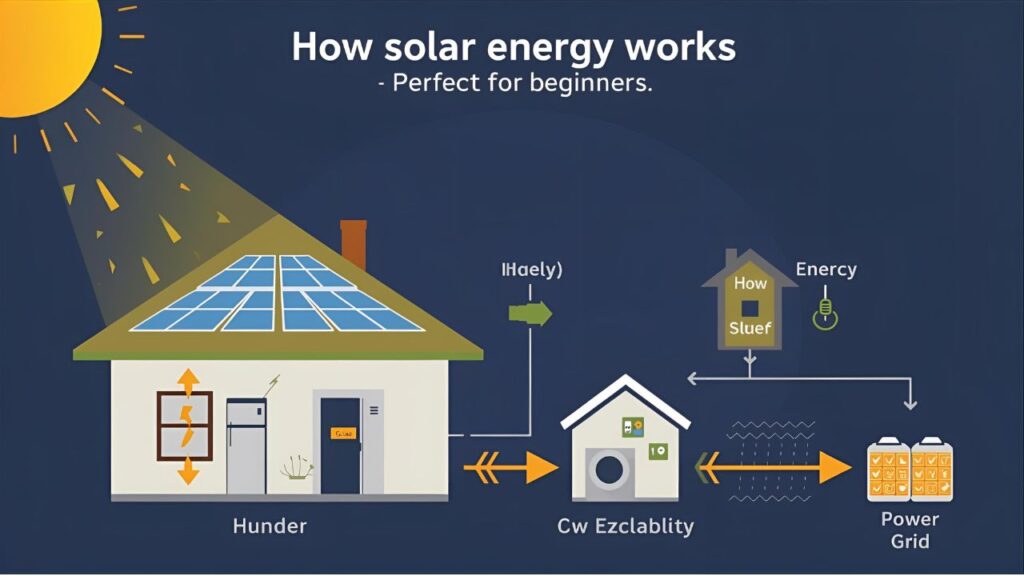
When your solar system generates more electricity than you use, the excess is exported to the grid. Red Energy credits you for every kilowatt-hour exported, applying the feed-in tariff to your electricity bill.
- Step 1: Install a solar PV system and ensure it is grid-connected.
- Step 2: Monitor your exported electricity via your smart meter.
- Step 3: Receive feed-in tariff credits automatically from Red Energy.
- Step 4: Use these credits to reduce your electricity bills.
Tips to Maximise Solar Feed-in Earnings
- Increase self-consumption: Use your solar energy during the day to reduce reliance on grid electricity.
- Monitor peak export rates: Some tariffs offer higher rates for initial kWh exported per day.
- Check for tariff updates: Feed-in rates may change yearly—stay informed to optimize your savings.
Why Feed-in Tariffs Aren’t the Only Factor
While Red Energy’s feed-in tariff is important, other factors affect the overall return on your solar system:
- Electricity consumption and supply rates
- Peak vs off-peak rates
- Quality of customer service
- System efficiency and battery storage options
By focusing on self-consumption in addition to exporting energy, you can achieve better overall savings than relying solely on feed-in tariffs.
Conclusion
Red Energy’s solar feed-in tariff provides a way to earn credits for excess electricity exported to the grid. While rates vary by state and daily limits, understanding how these tariffs work can help you maximize the benefits of your solar system. Always consider self-consumption strategies alongside feed-in earnings to get the most out of your solar investment.


Keep Exploring Zingyzon.com
Read more Zingyzon SEO, digital marketing, online earning, business, and technology guides for Australia, USA, and global readers.