
PRP Therapy vs. Hair Transplant: Which is Best for You
Hair loss usually doesn’t come with a warning. One day, you’re casually brushing your hair, and the next, you have […]
Hair loss usually doesn’t come with a warning. One day, you’re casually brushing your hair, and the next, you have a sink full of hair strands. And while it’s normal to shed some hair daily, watching it thin out over time can be unsettling.
When it comes to dealing with this, there are two options people consider: surgical and non-surgical treatments. Both work but in completely different ways, and depending on your situation, one might be a better choice than the other.
The most popular non-surgical treatment is PRP therapy, while the surgical one is hair transplant. Let’s compare the two.
What Is PRP Therapy?
PRP stands for Platelet-Rich Plasma. It’s when your own blood does the work.
In PRP therapy, a medical professional draws a small amount of your blood, which is then put in a machine to separate the platelets. After the spinning process is complete, the plasma is injected into your scalp, around the areas where you’re losing hair.
These platelets are loaded with growth factors that help stimulate your hair follicles, leading to healthier and stronger hair regrowth. PRP hair loss treatment is a proven, effective, and approved method of reviving hair.
What Is a Hair Transplant?
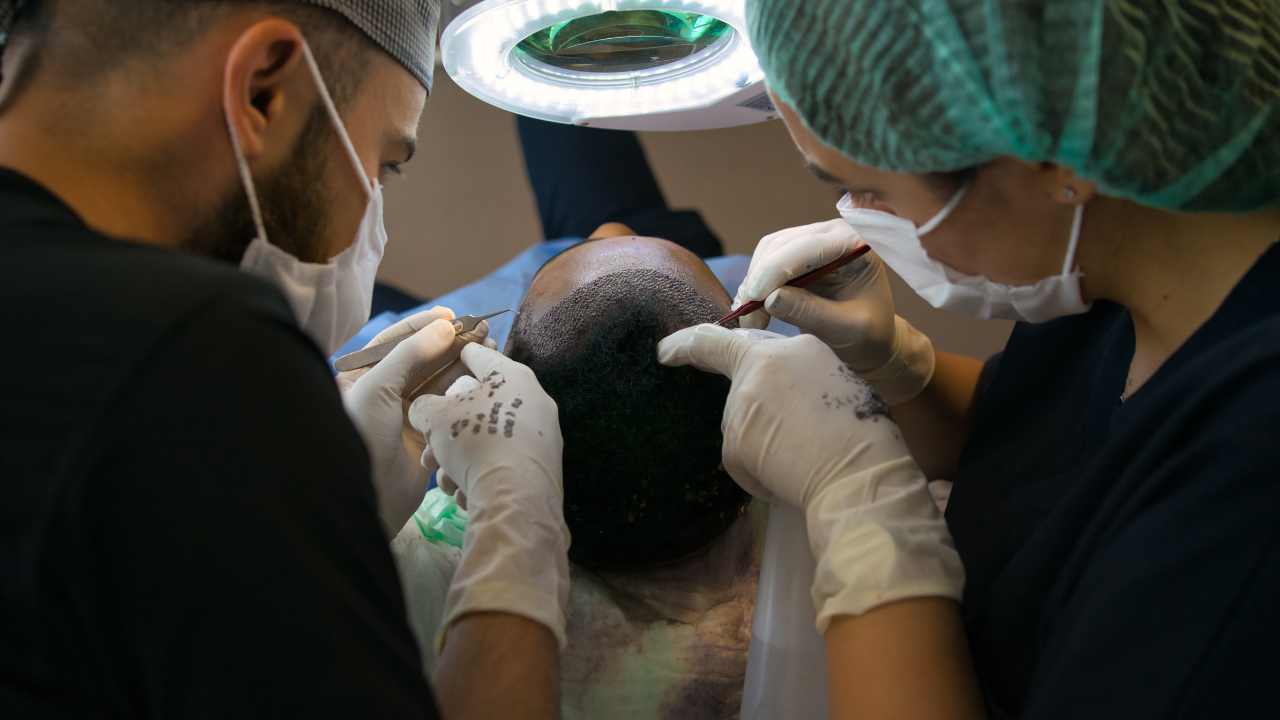
A hair transplant is a surgical process. It involves removing hair follicles from one part of your scalp and placing them into areas where hair has thinned or gone.
There are a couple of different methods of doing this, like FUE and FUT, but the main goal is to redistribute your existing hair more evenly. It’s a permanent solution to hair loss.
Which Is Better?
Let’s go through a few key areas and compare them to help you figure out what makes the most sense for you.
Invasiveness and Downtime
PRP therapy is minimally invasive. There is no surgery or stitches. You might feel some mild discomfort from the injections, but there’s actually no downtime. You can walk out of the clinic and go back to your day.
Hair transplants are surgical procedures. Even if you go for the least invasive method, it will require some recovery time. Swelling, soreness, and even scabbing are common after the procedure.
Results Timeline
With PRP, results take time. Most people need to take a few sessions before they can see any improvements. You might also have to ensure regular maintenance.
Hair transplants offer more immediate visual results once the healing is complete. The transplanted hair falls out after a few weeks, and you might start seeing regrowth within 3 to 4 months.
Who It’s Best for
PRP works best for people in the earlier stages of hair loss, especially if your hair is thinning but not completely gone.
Hair transplants are better for people who have bald patches and inactive hair follicles. PRP may not be able to revive dead follicles.
Cost and Maintenance
PRP is more affordable per session than a transplant, but remember that you might need regular sessions to maintain results.
Hair transplants have a higher upfront cost, but it’s a one-time procedure.
Risks and Side Effects
PRP has fewer risks since it uses your own blood. Only mild effects like swelling or redness may be felt.
Hair transplants, being surgical, come with the usual risks like infection, scarring, or rejection. But these should be minimal when performed by a skilled doctor.



Keep Exploring Zingyzon.com
Read more Zingyzon SEO, digital marketing, online earning, business, and technology guides for Australia, USA, and global readers.