
Upcoming Rent Adjustment: Important Notice
As a tenant, you might have noticed the rising costs of living and how they impact rental prices. With a […]
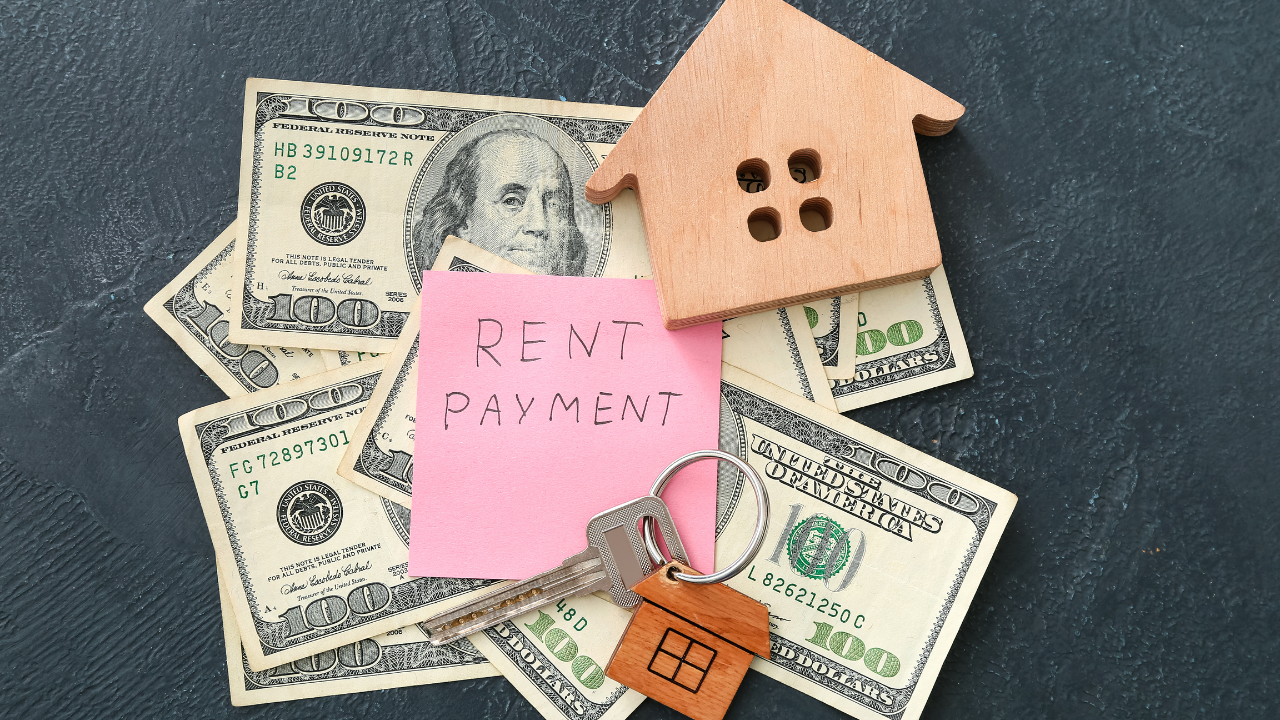
As a tenant, you might have noticed the rising costs of living and how they impact rental prices. With a rent adjustment on the horizon, it’s essential to understand the reasons behind these changes and what they mean for you. This notice isn’t just about numbers; it’s about maintaining the relationship you have with your landlord. Let’s explore what this adjustment entails and how you can navigate this transition smoothly.
Understanding Rent Increase Notices
When you’re faced with a rent increase notice, it’s essential to understand what it entails. This notice of rent increase serves as a formal communication from your landlord about upcoming changes to your rent.
Depending on your state, there are specific legal requirements regarding how much notice for rent increase you should receive, which can vary significantly. For instance, some states require a minimum of 30 days’ notice, while others might stipulate longer periods based on the percentage increase.
Familiarizing yourself with these regulations helps you ensure that your landlord is complying with the law. Take the time to read the notice carefully, noting the new rent amount and the effective date, so you’re fully informed and prepared.
Reasons for Rent Adjustments
Understanding the reasons behind rent adjustments is crucial for both landlords and tenants, as they can directly impact your living situation.
Rent increases often stem from rising operating costs, such as property taxes, maintenance fees, or improvements to the property. When landlords face higher expenses, they may need to adjust the rent to maintain profitability. Additionally, changes in the local housing market can influence rent prices. You might also notice that amenities and upgrades can justify a rent increase, making your living experience better overall.
If you’re a landlord, using a rent increase notice template can help communicate these changes clearly and professionally, ensuring transparency and maintaining a good relationship with your tenants.
Legal Considerations for Rent Increases
Rent adjustments aren’t just about economics; they also come with a set of legal guidelines that landlords must follow.
Before you decide to raise rent, you need to check your local laws. Different states have specific rules regarding notice periods and the maximum allowable increases. Ensure you provide your tenants with adequate notice, typically ranging from 30 to 90 days, depending on your location and the percentage increase.
Failing to adhere to these regulations can result in disputes or legal actions. It’s crucial to document your communications and keep records of your notices.
Key Components of a Rent Increase Notice
Although it may seem straightforward, crafting a rent increase notice requires attention to specific key components to ensure clarity and compliance.
First, include the date of the notice and the property address. Make sure to address the notice directly to the tenant by name. Clearly state your intention to raise the rent, detailing the new monthly rent amount. Don’t forget to specify the effective date of the increase, allowing tenants sufficient time to prepare.
Additionally, ensure your notice adheres to local laws regarding required notice periods for rent increases, as these can vary.
How to Notify Tenants of a Rent Increase
Notifying tenants of a rent increase requires a clear and respectful approach to ensure open communication and maintain a positive landlord-tenant relationship.
Start by drafting a formal rent increase notice that includes essential details like the effective date, the new rent amount, and your reason for the increase. Make sure to adhere to local laws regarding notice periods to avoid legal issues. Deliver the notice in person, via certified mail, or through your preferred communication method, ensuring tenants acknowledge receipt. Encourage tenants to ask questions or voice concerns, as this fosters trust.
Lastly, be prepared to discuss the changes and the rationale behind them, as transparency can help alleviate tenant anxiety about the adjustment.
Tips for Managing Tenant Relationships During Rent Adjustments
Managing tenant relationships during rent adjustments can be challenging, especially when financial pressures are involved.
To ease tensions, communicate openly about the reasons for the increase. Share details regarding rising costs or property improvements, so tenants feel informed. Offer ample notice before the adjustment takes effect—this shows respect and provides them time to plan. Be empathetic; listen to their concerns and try to address them constructively. If possible, consider offering flexible payment options or a phased increase to soften the impact.
Building trust is key, so maintain a consistent dialogue and express gratitude for their tenancy.
Conclusion
In summary, understanding the reasons behind rent adjustments can help ease the transition for both you and your tenants. By communicating openly and providing clear information, you can maintain strong relationships during these changes. Remember, a well-crafted rent increase notice is crucial, and being mindful of legal considerations will protect everyone involved. If you approach the situation with empathy and transparency, you can make the adjustment process smoother for everyone in your community.Zingyzon.com



Keep Exploring Zingyzon.com
Read more Zingyzon SEO, digital marketing, online earning, business, and technology guides for Australia, USA, and global readers.