
What Are the Signs a Baby Can Safely Start Eating Finger Foods?
Transitioning a baby from purée to solid foods is an exciting and significant step in a child’s development. Finger foods […]
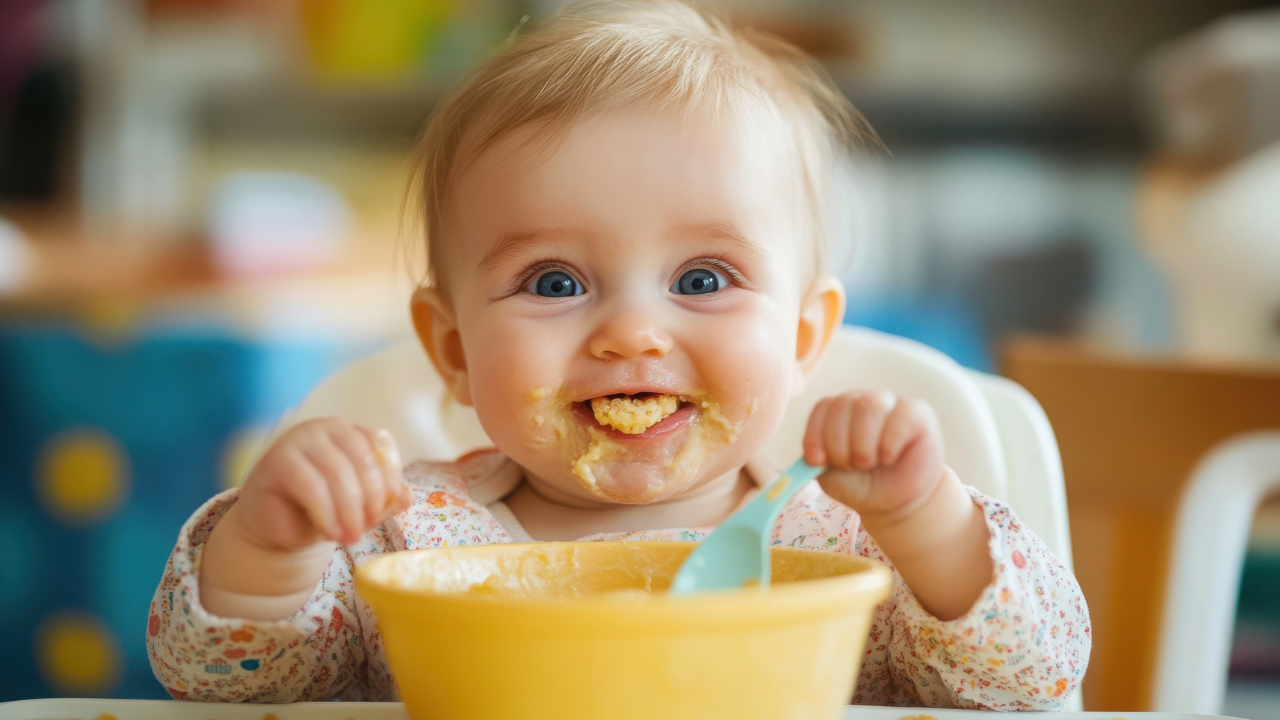
Transitioning a baby from purée to solid foods is an exciting and significant step in a child’s development. Finger foods allow infants to explore textures, develop motor skills, and gain independence during mealtime. However, knowing when a baby is ready for this step is vital to ensure safety and enjoyment. Every child develops at their own pace, but clear signs indicate a baby can handle finger foods confidently.
Once an infant shows interest in self-feeding and demonstrates the necessary physical skills, finger foods may be safely introduced. For example, baby puffs and snacks, small, dissolvable bites—are often an early choice because they’re easy to grasp and melt quickly in the mouth, reducing the risk of choking. Typically, infants are ready for finger foods around six to nine months, but readiness depends on more than a calendar.
Readiness goes beyond interest alone and should be evaluated through physical and behavioral indicators. Parents and caregivers should look beyond age and focus on specific physical and behavioral cues. These signs ensure the baby can chew, swallow, and manage small pieces without distress, setting the stage for a smooth transition.
Improved Head and Neck Control
One of the first signs of readiness for finger foods is strong and steady head and neck control. This ability is essential because it allows for proper swallowing and reduces the risk of choking. Infants typically develop this skill between four to six months of age.
By this stage, they can hold their heads upright without assistance and maintain balance when sitting with support. This improved control indicates that the muscles involved in chewing and swallowing are developing appropriately. If a child can turn their head easily with minimal or no support, they are likely approaching the stage where finger foods can be introduced.
Ability to Sit Up Independently
Sitting up without support suggests that the baby’s core muscles have developed sufficiently, which is essential for safe eating. When sitting upright, food can travel down the esophagus more smoothly, reducing the chance of gagging or aspiration. This position also allows the baby to reach for food and bring it to their mouth, a necessary motor function for consuming finger foods.
Parents and caregivers should ensure the child can sit in a high chair or booster seat with proper posture. Good posture supports safe swallowing and reduces choking risks. Maintaining balance and coordination while seated also contributes to a safer eating experience.
Presence of the Pincer Grasp
The pincer grasp refers to the ability to pick up small objects using the thumb and forefinger. This fine motor skill typically develops between eight to ten months of age. It is an important sign that the baby can handle and explore small pieces of food independently. With the pincer grasp, the child can more accurately pick up soft pieces of fruits, cooked vegetables, or appropriate baby puffs and snacks.
The improved dexterity allows for better control when bringing food to the mouth. This reduces frustration and encourages a positive feeding experience. Finger foods should be soft, easy to mash, and properly sized to prevent choking hazards.
Reduced Tongue-Thrust Reflex
The tongue-thrust reflex pushes food out of the mouth of younger babies, preventing choking. While protective, this reflex must diminish before finger foods can be safely introduced. A child who still automatically pushes food out with their tongue may not yet be ready for solid finger foods.
This reflex usually fades around six months, though timing varies by child. Caregivers can test readiness by offering a spoonful of purée. If the child swallows without pushing it out, they may be ready for soft finger foods. Observing this reflex helps ensure the baby can manage new textures without gagging.
Choose the Right Organic Brand for Baby Snacks
The quality of snacks offered during early feeding stages matters significantly. Choosing an organic brand can help minimize exposure to harmful pesticides, artificial additives, and preservatives. Organic baby snacks are typically made with cleaner ingredients and undergo stricter quality controls to ensure safety.
Reputable organic brands often use non-GMO ingredients and avoid synthetic colors or sweeteners, making them a safer choice for developing digestive systems. When selecting baby puffs and snacks or other finger foods, reviewing ingredient labels and verifying certifications is essential. Trusted organic brands can offer both nutritional value and peace of mind to caregivers during the transition to solid foods.
Introducing finger foods supports autonomy and developmental growth but must be timed properly for safety. Since every child develops differently, caregivers should consult healthcare providers when uncertain about readiness or food choices. Offering safe, age-appropriate snacks in a supervised setting encourages a positive and secure eating experience. All finger foods should be closely monitored to prevent choking and support a smooth transition to solids.



Keep Exploring Zingyzon.com
Read more Zingyzon SEO, digital marketing, online earning, business, and technology guides for Australia, USA, and global readers.